

Ways To Calm Anxiety Attack


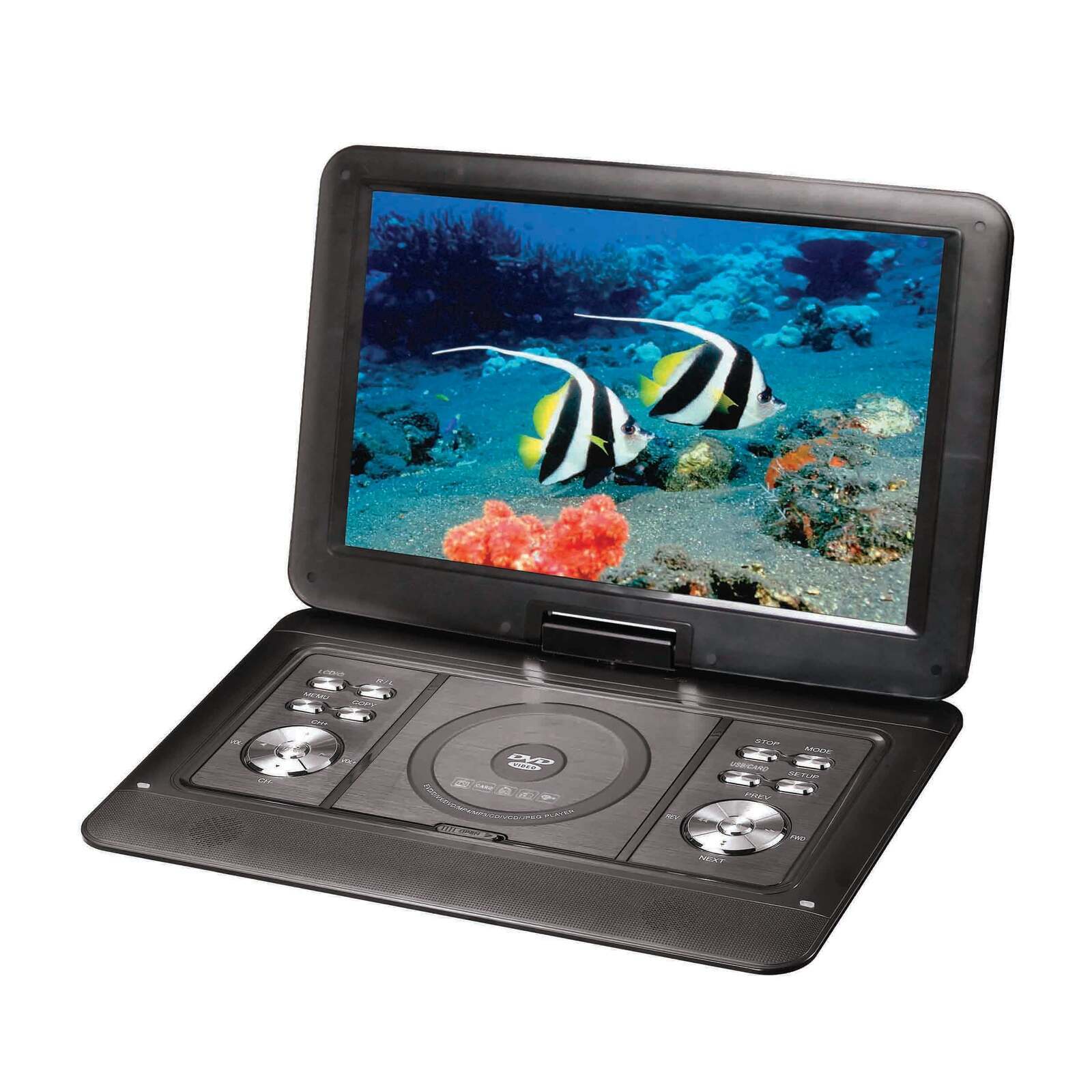
15.4" Swivel Portable DVD Player & Screen, Rechargeable Entertainment
GiftTree
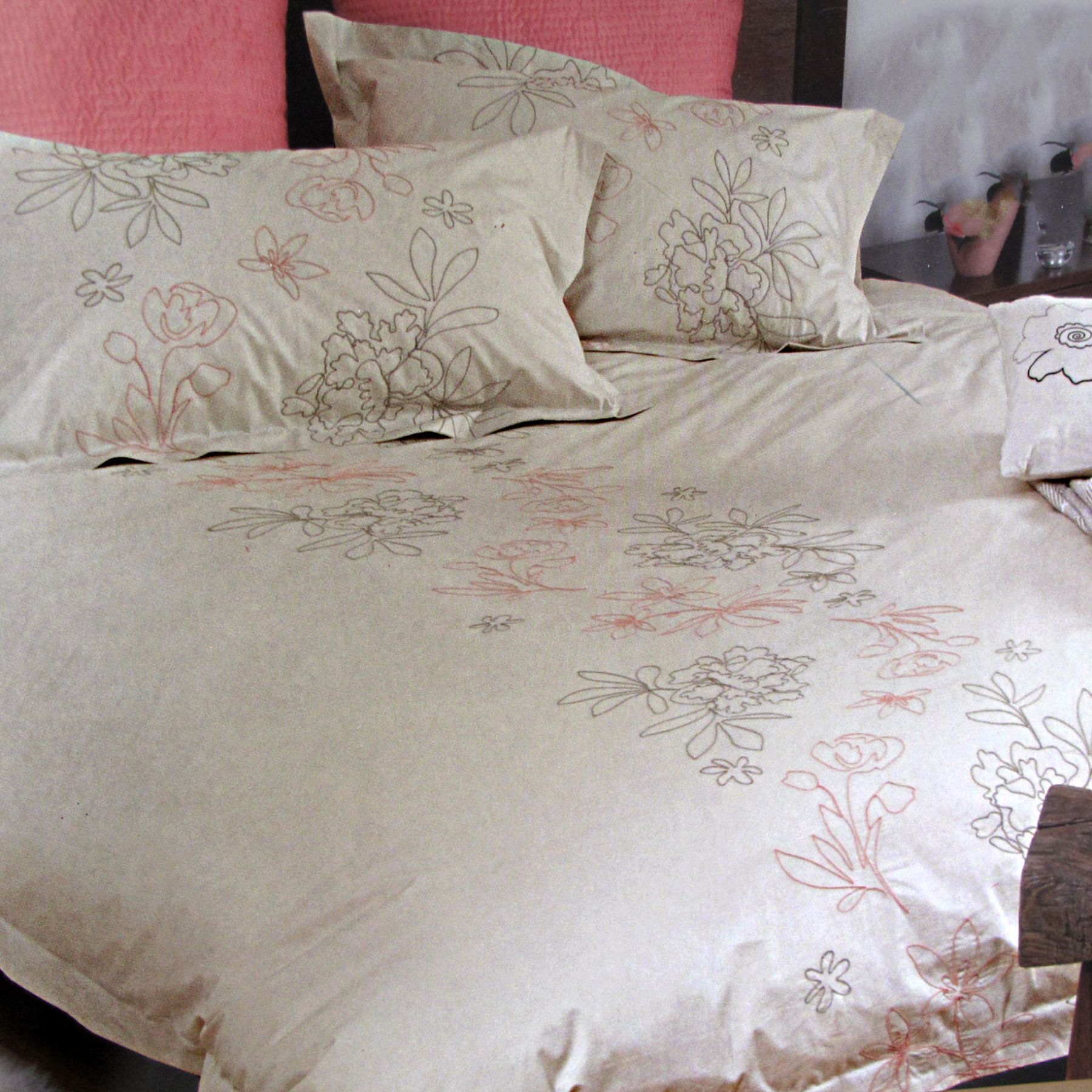
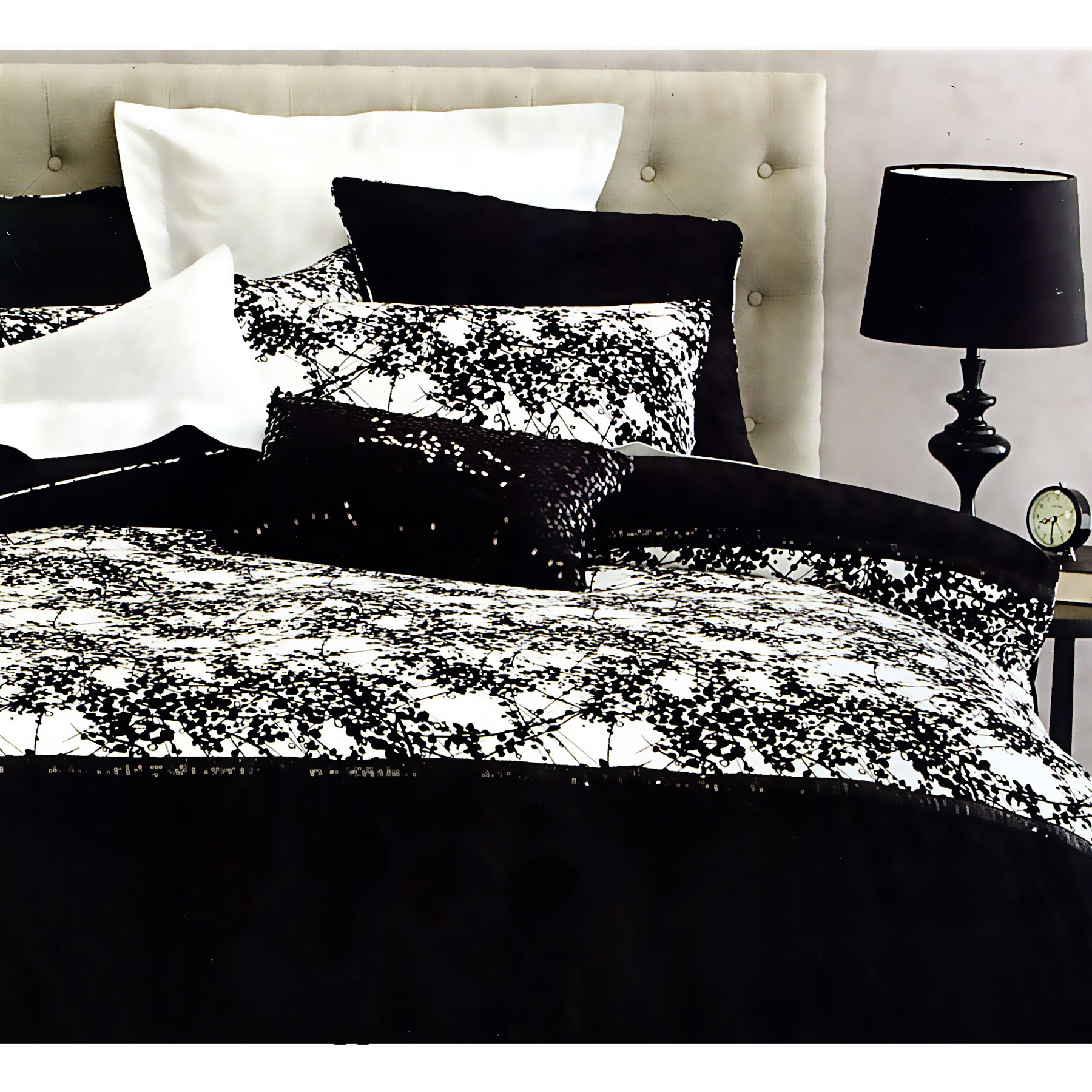
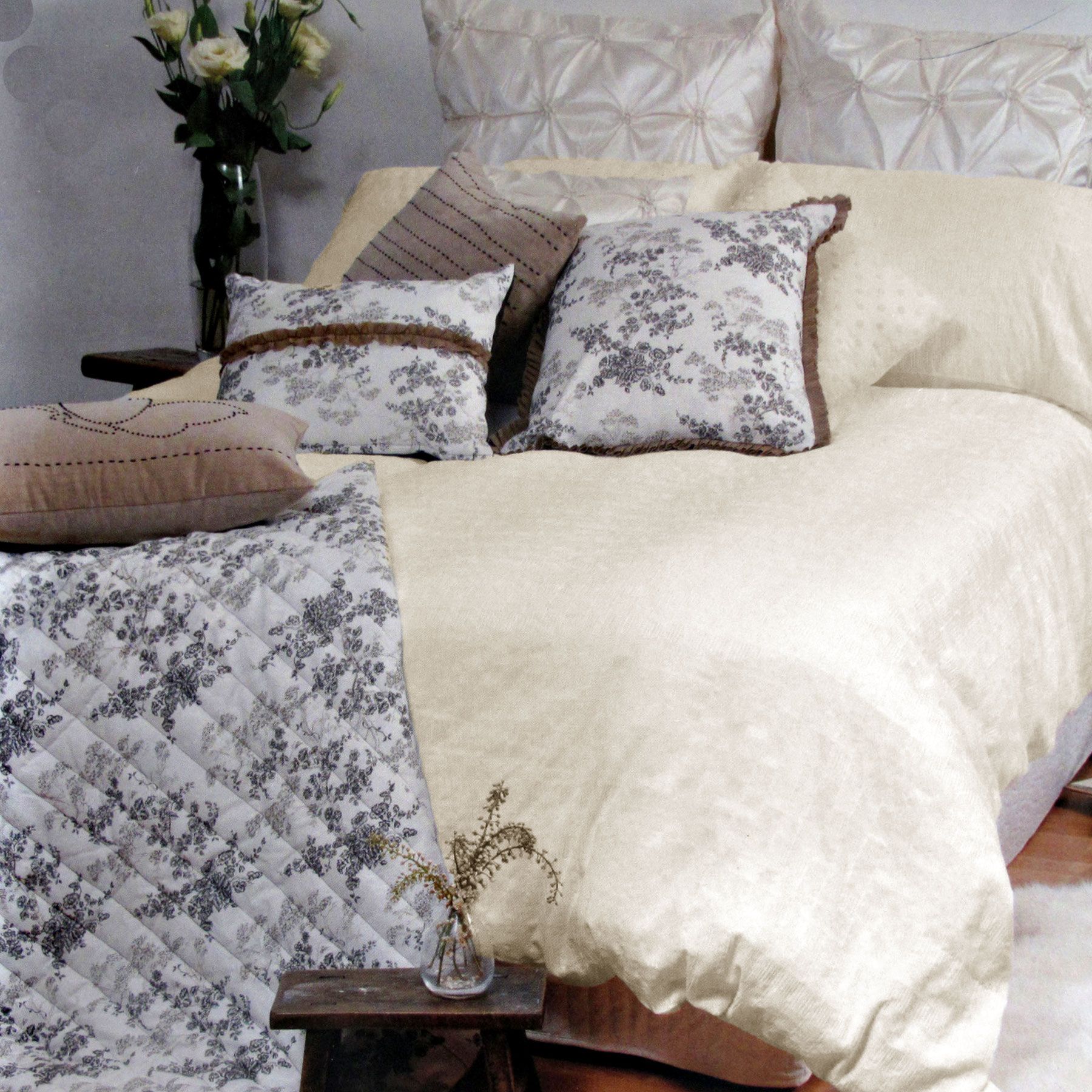
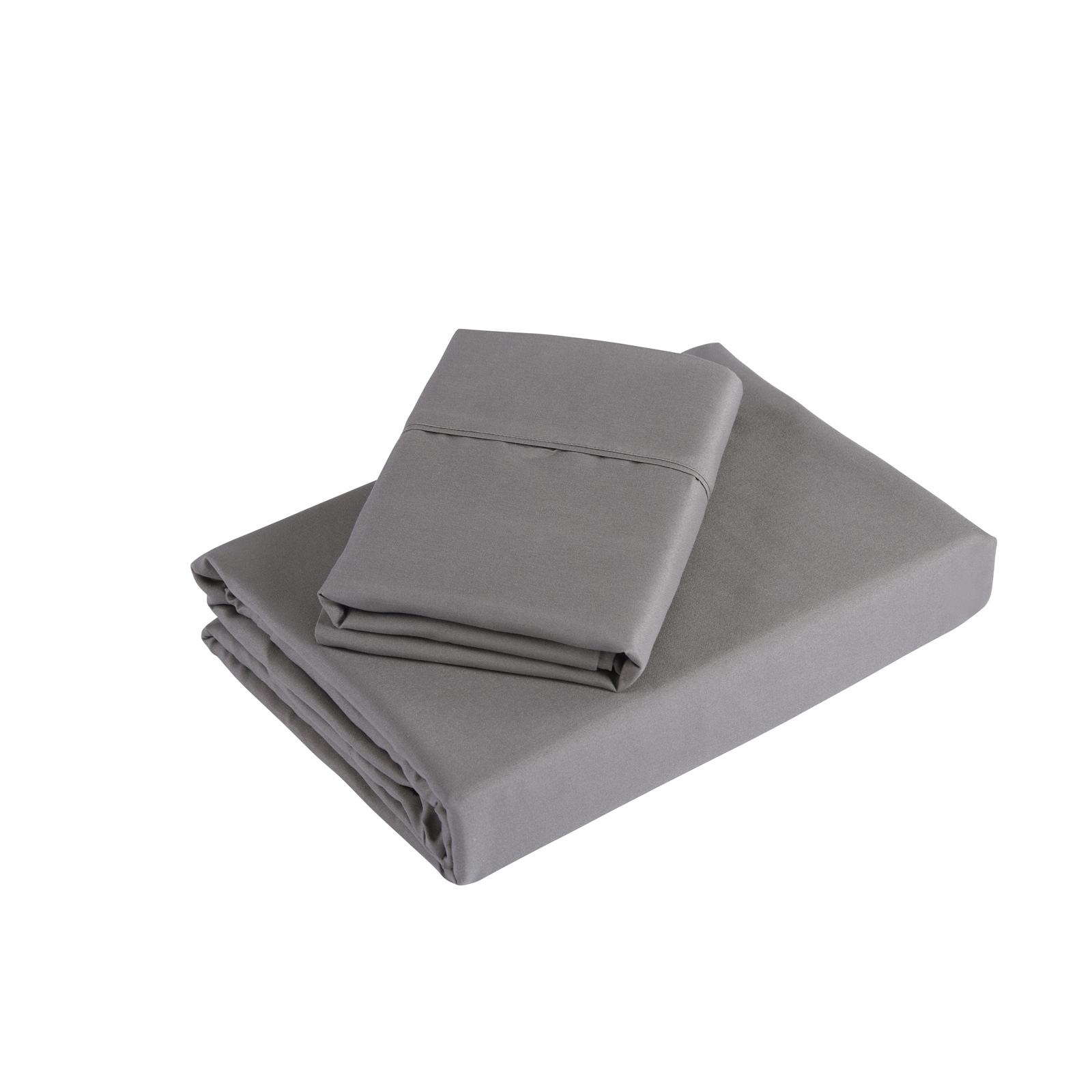
Royal Comfort 1200 Thread Count Sheet Set 4 Piece Ultra Soft Satin Weave Finish - King - Charcoal
GiftTree
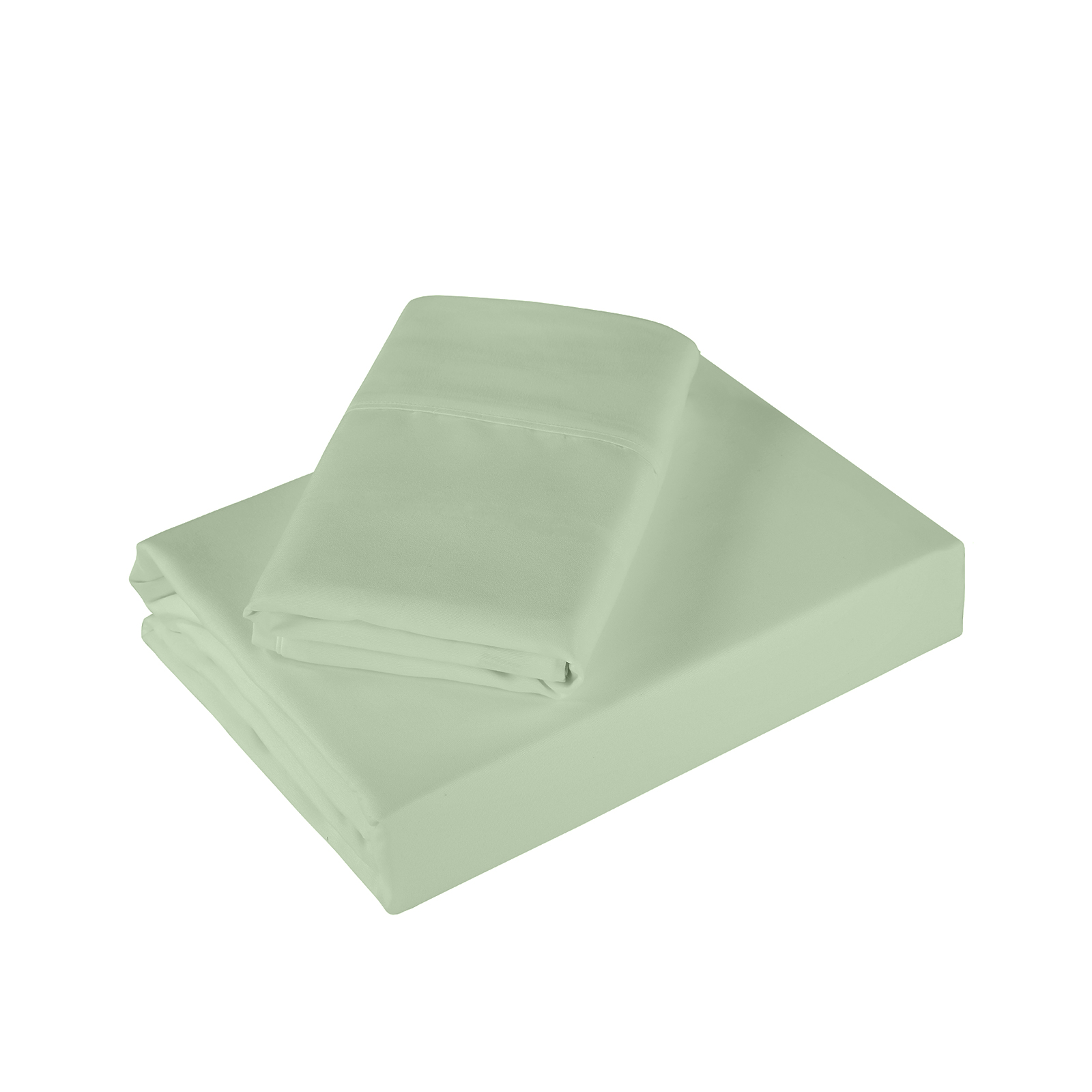
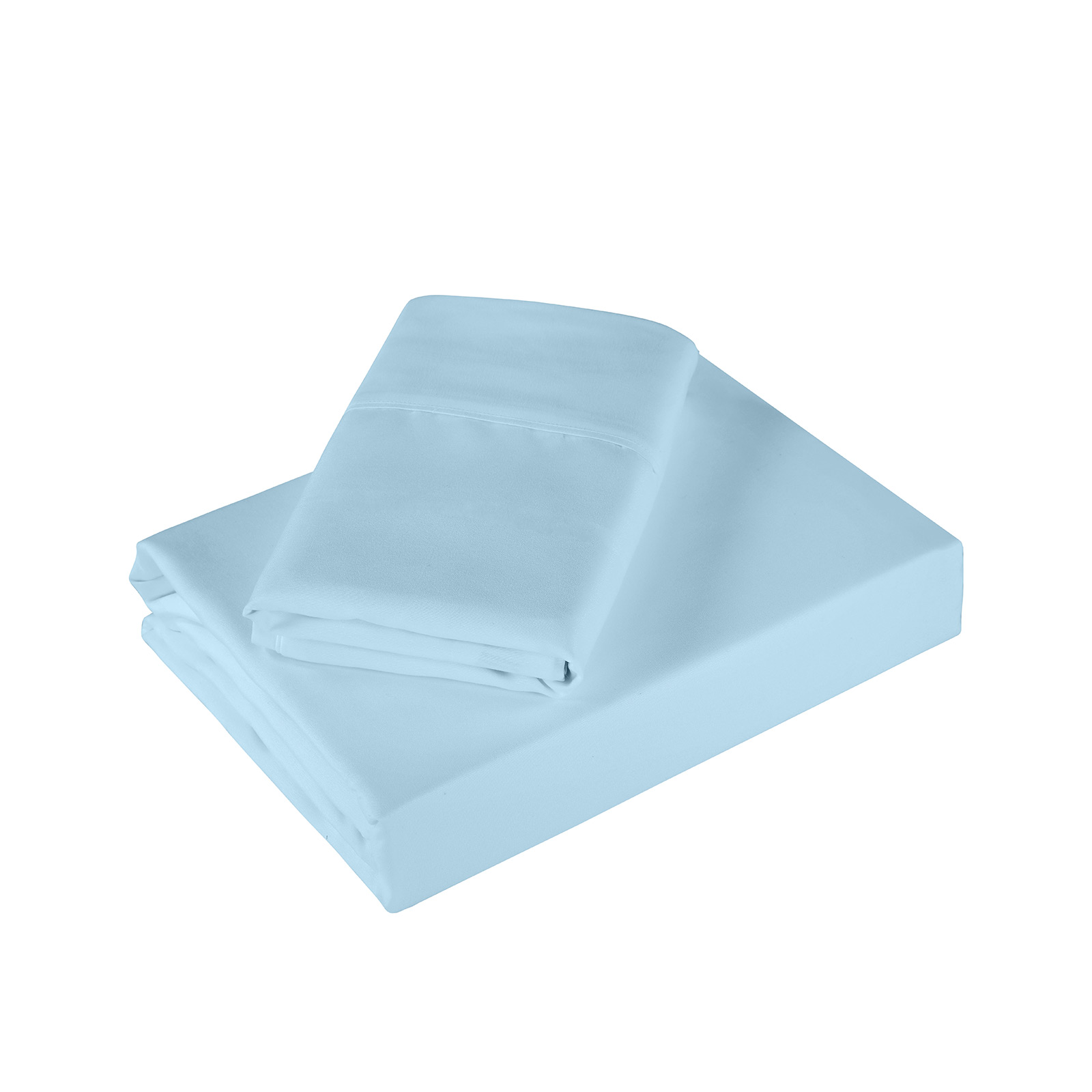
Royal Comfort 1200 Thread Count Sheet Set 4 Piece Ultra Soft Satin Weave Finish - King - Sky Blue
GiftTree
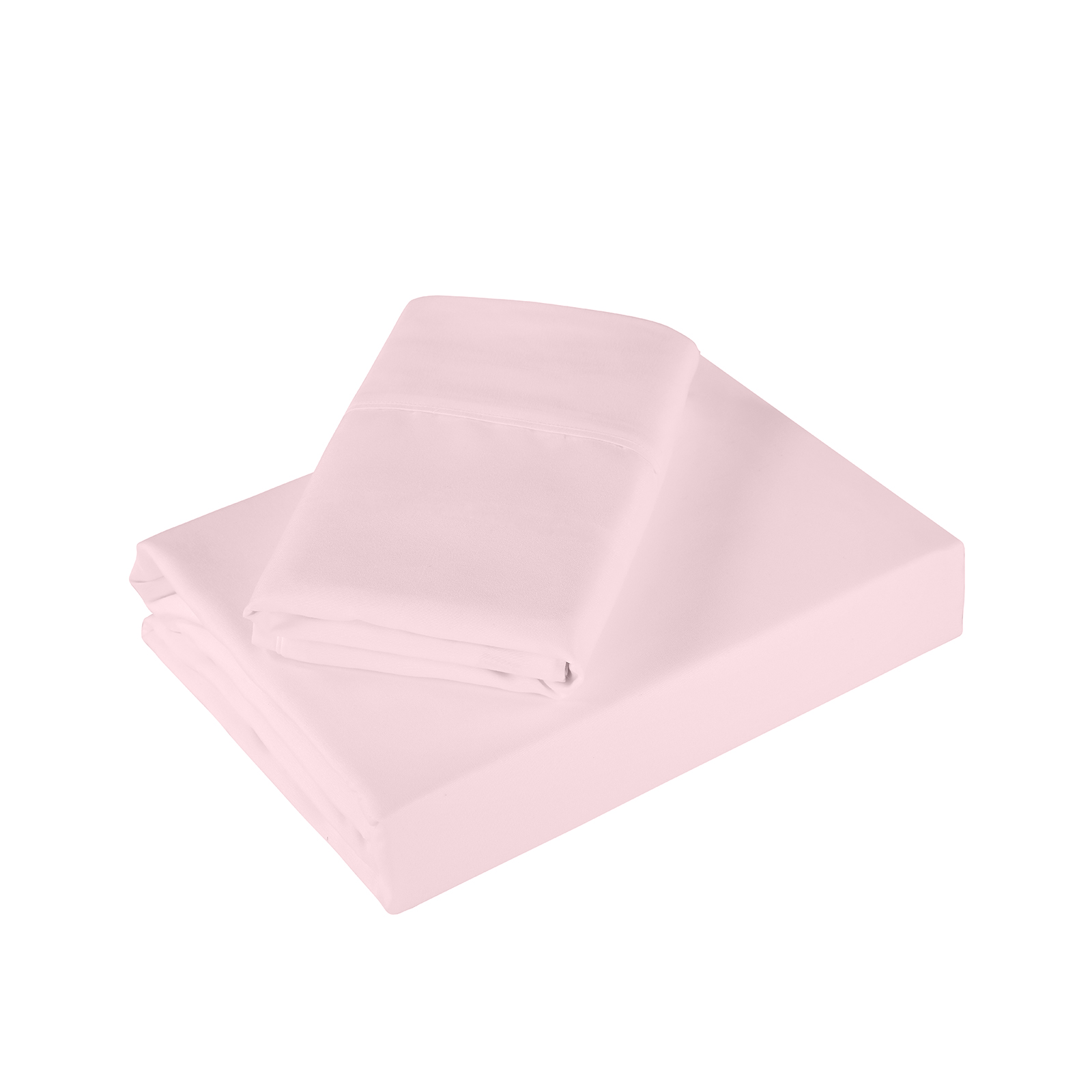
Royal Comfort 1200 Thread Count Sheet Set 4 Piece Ultra Soft Satin Weave Finish - King - Soft Pink
GiftTree
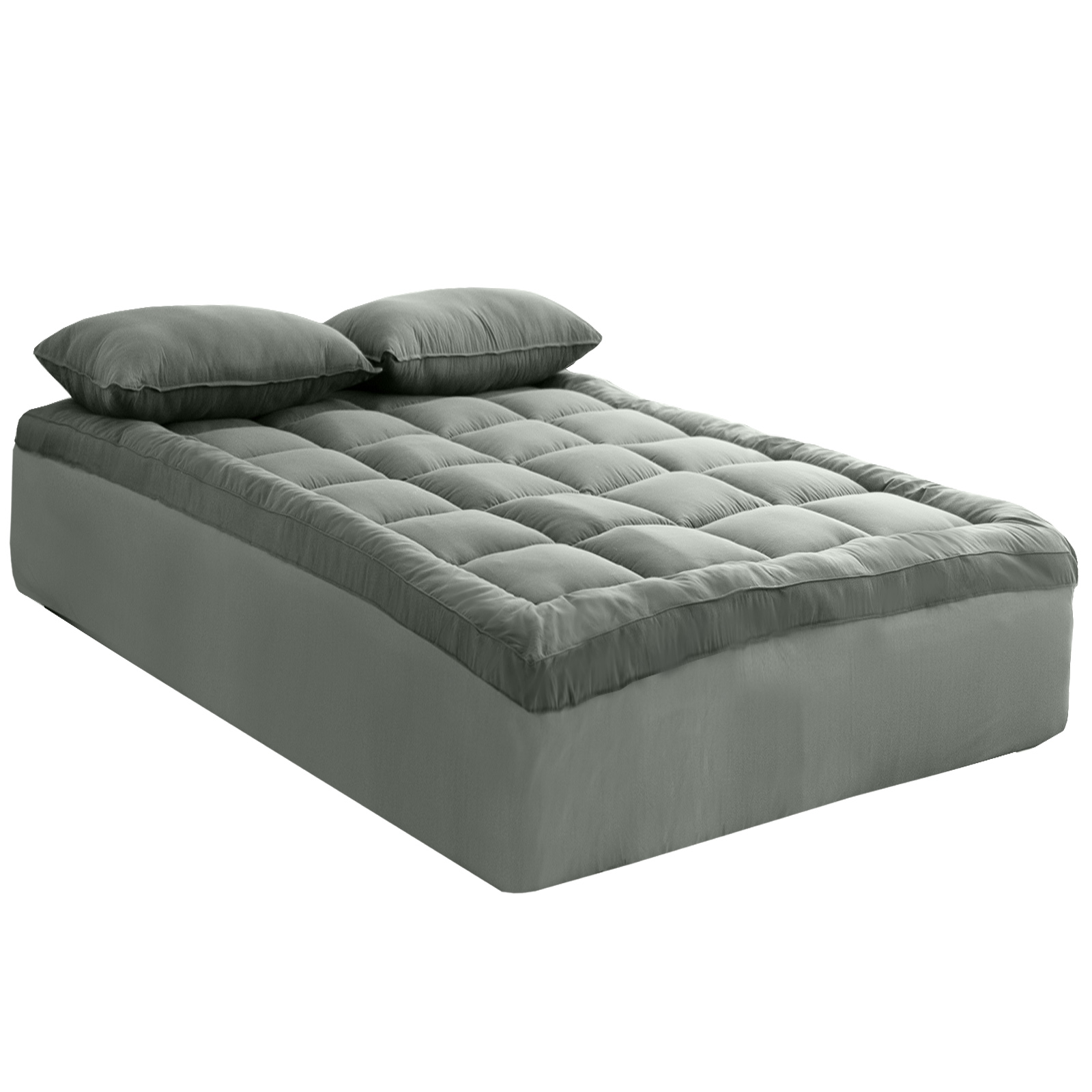
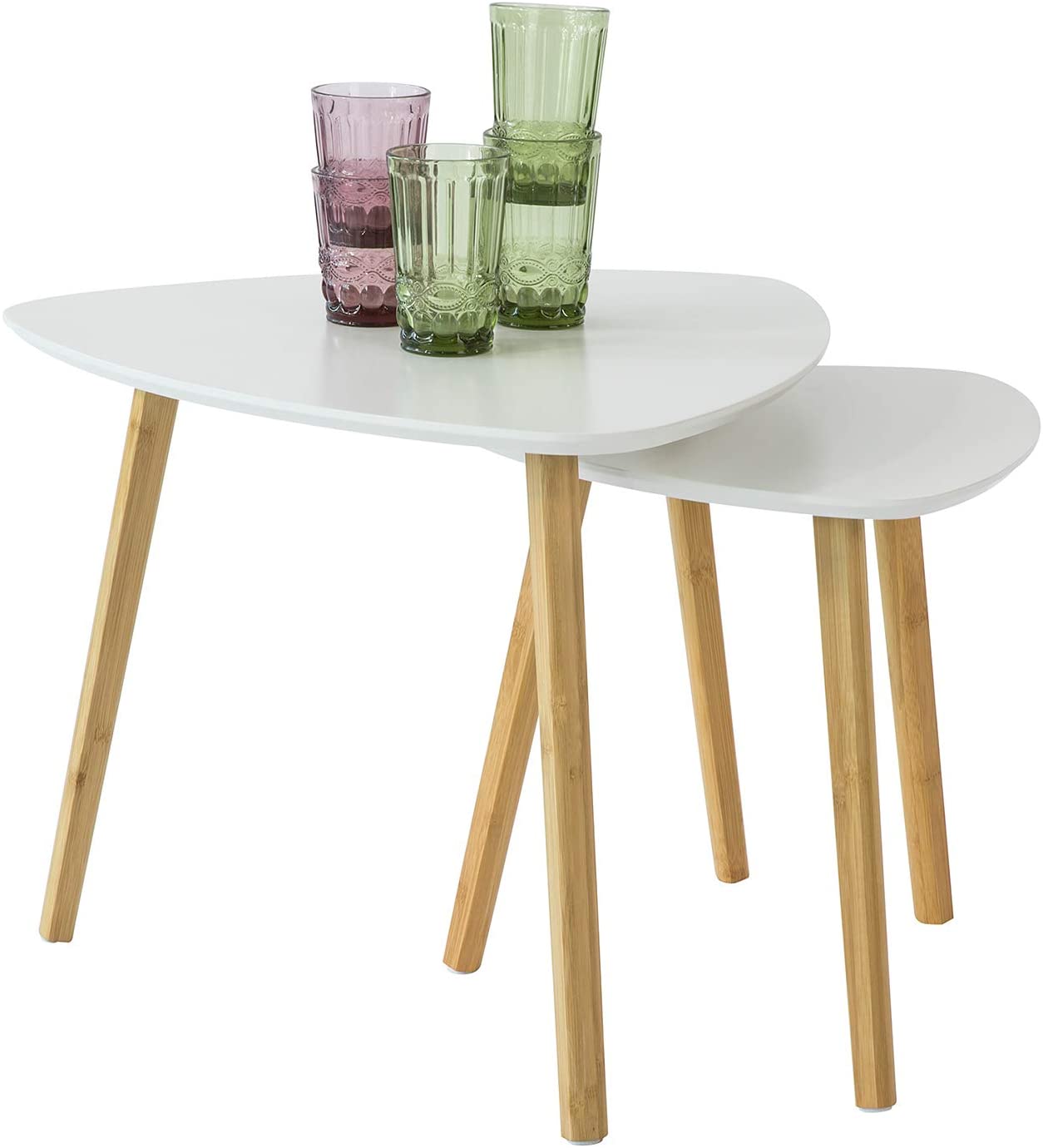



VTech 15951 Twin DECT 6.0 Cordless Home Phone w Video Doorbell Answering Machine
GiftTree
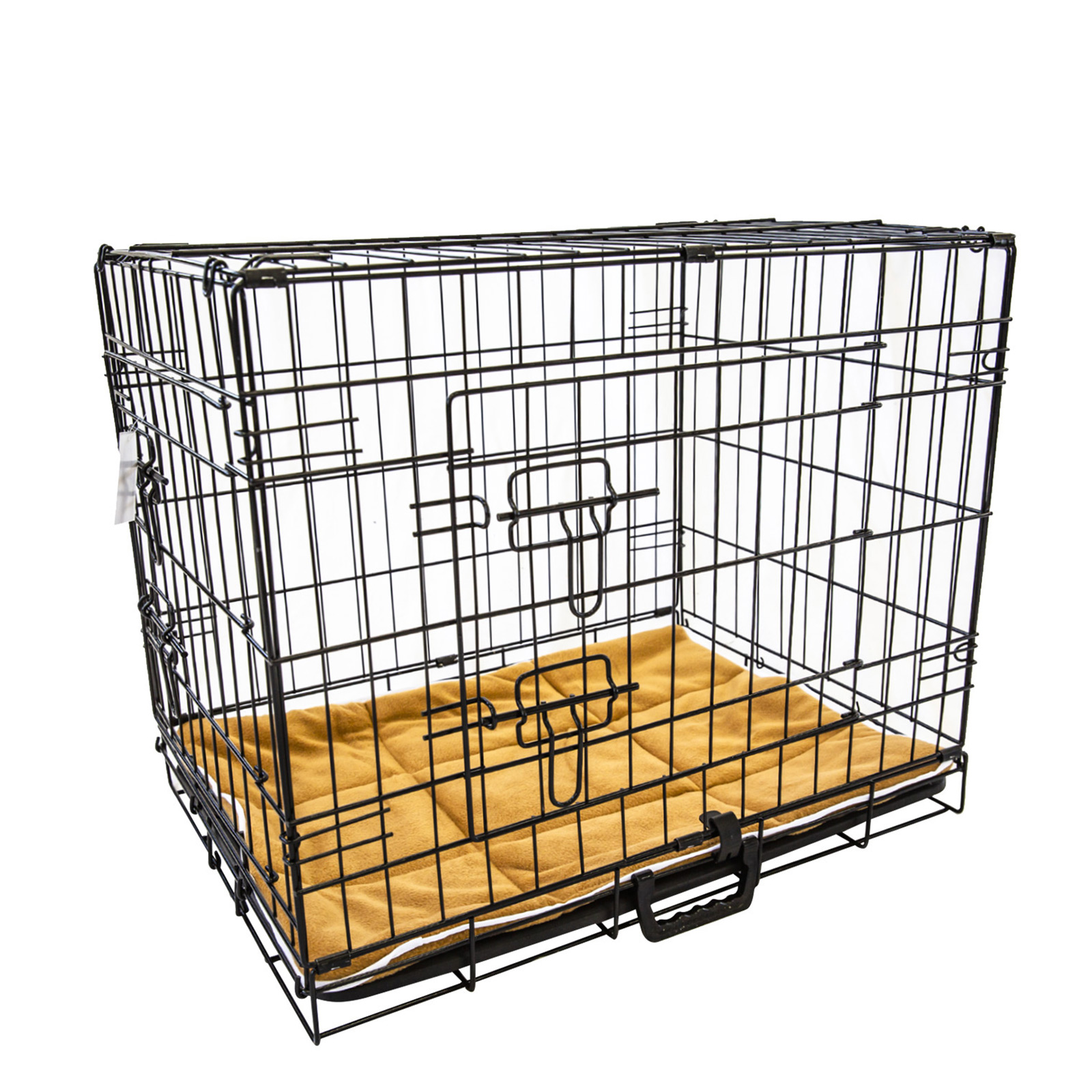
Wire Dog Cage Foldable Crate Kennel 48in with Tray + Cushion Mat Combo
GiftTree
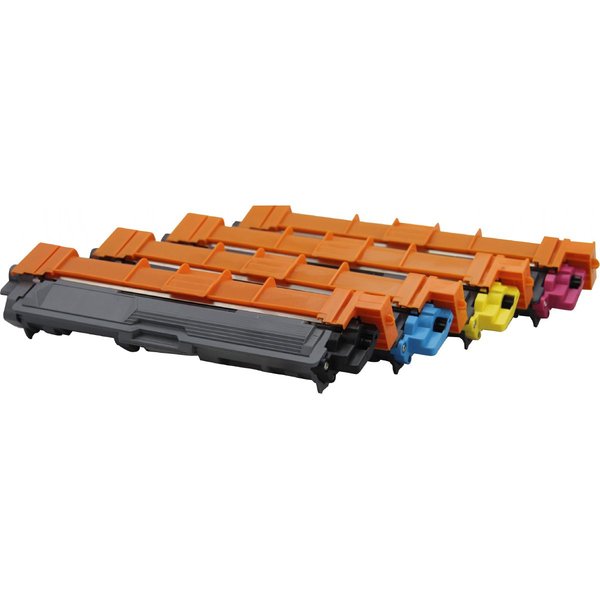
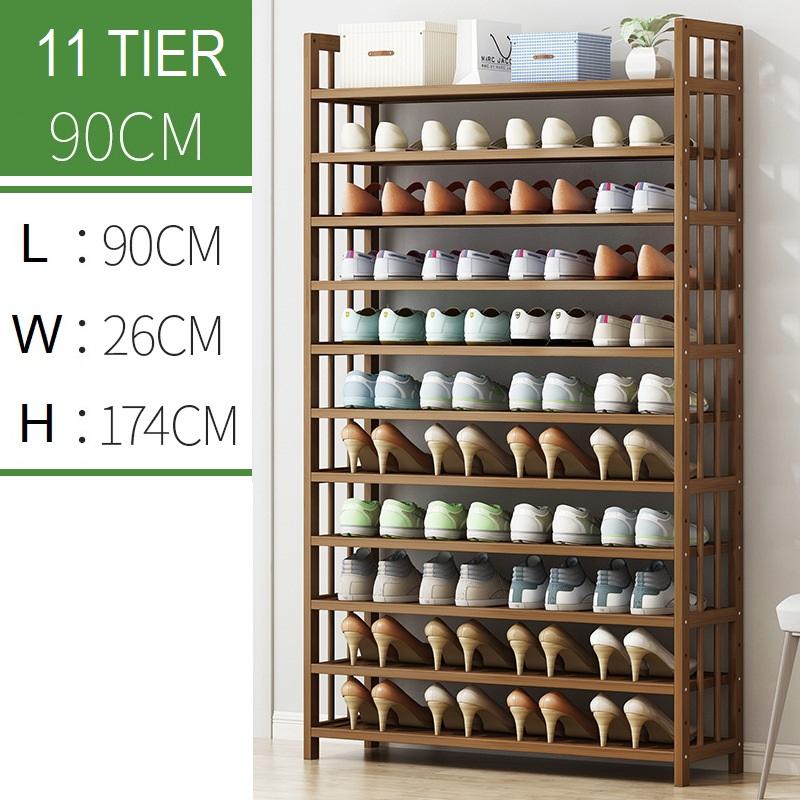
11 Tier Tower Bamboo Wooden Shoe Rack Corner Shelf Stand Storage Organiser
GiftTree
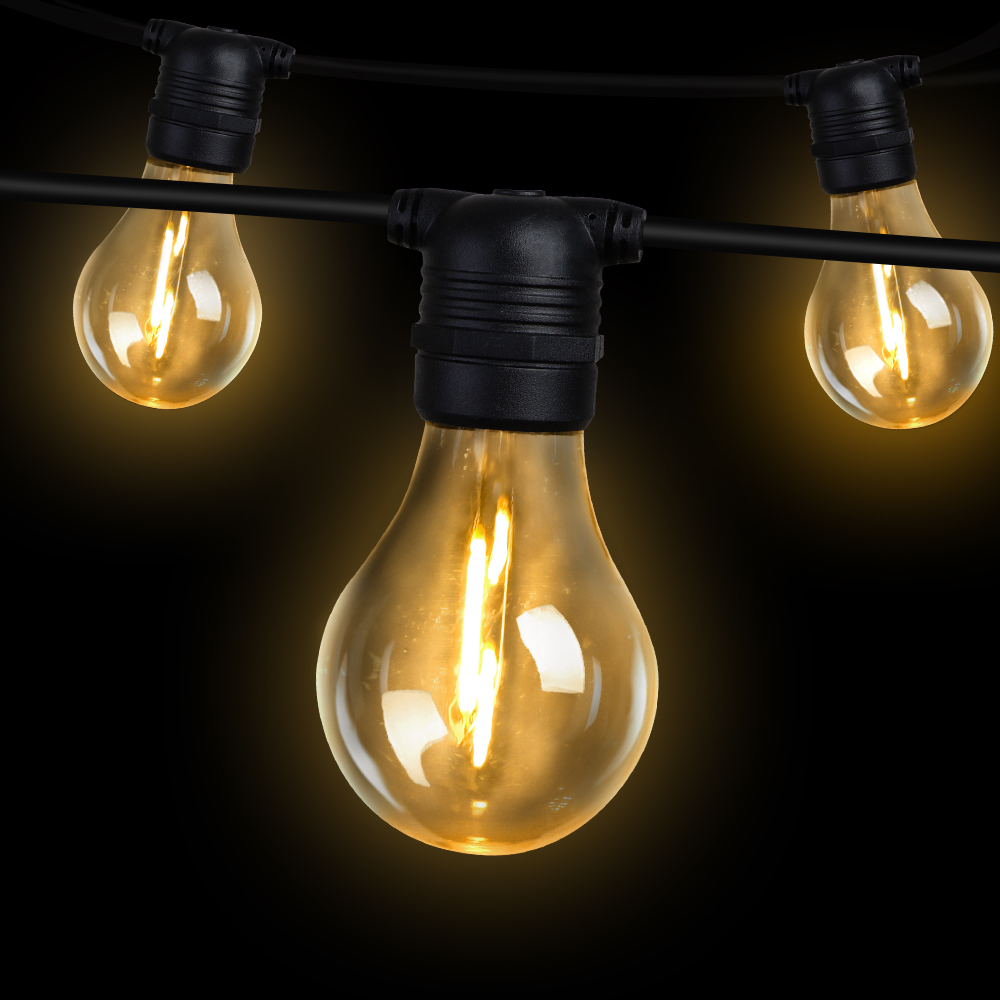
59m LED Festoon String Lights Outdoor Christmas Decorations Wedding Garden Party
GiftTree
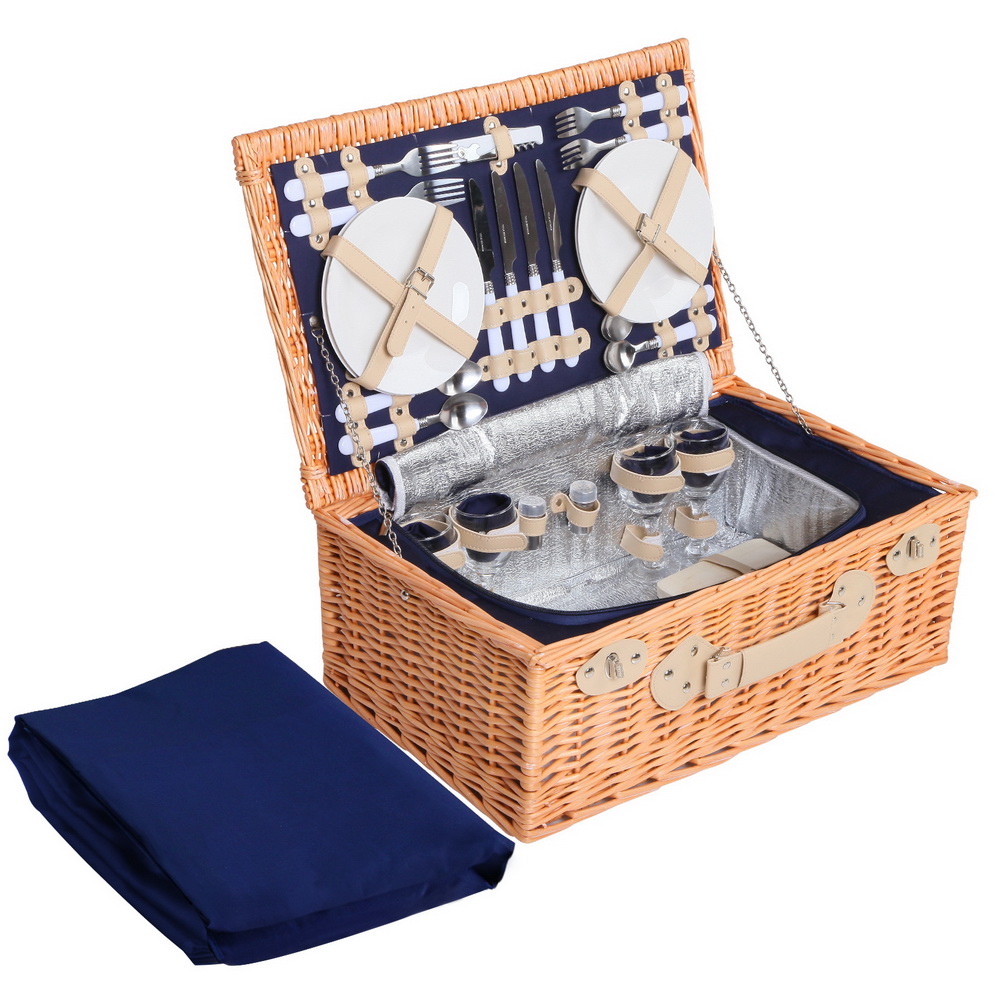
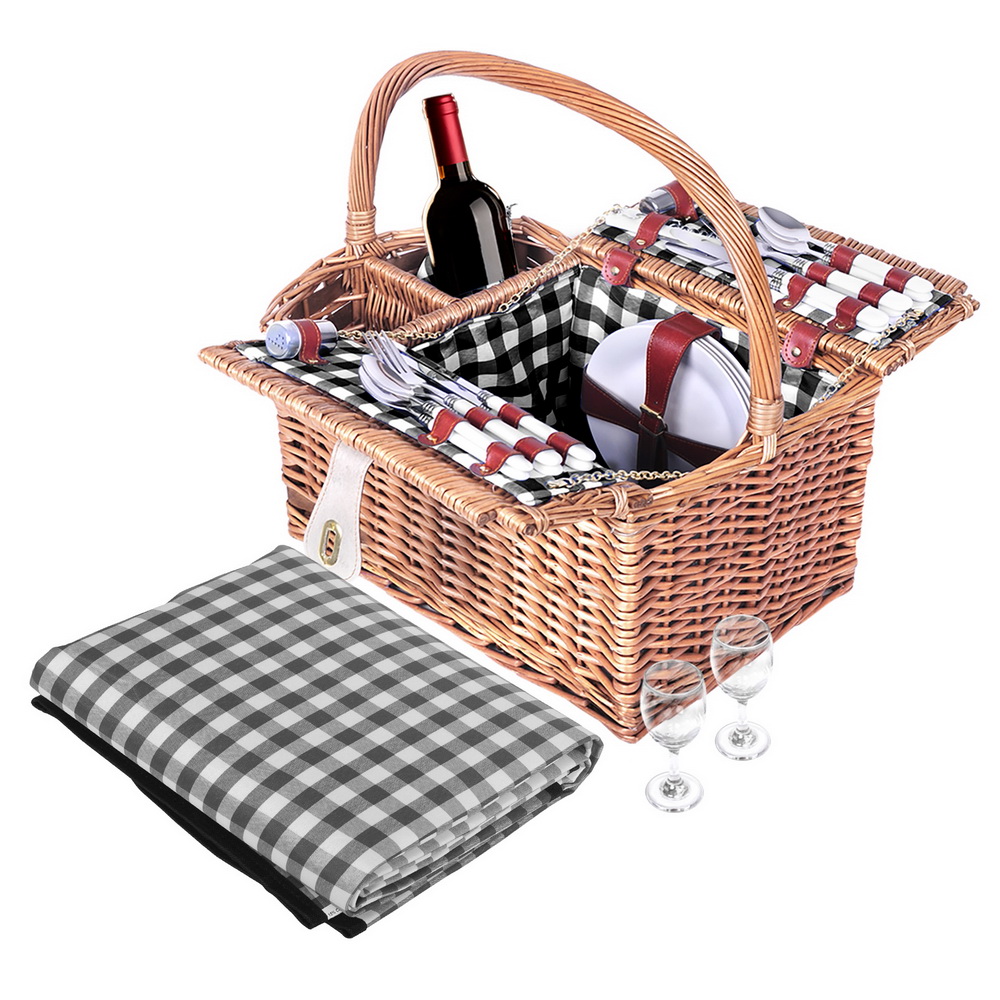
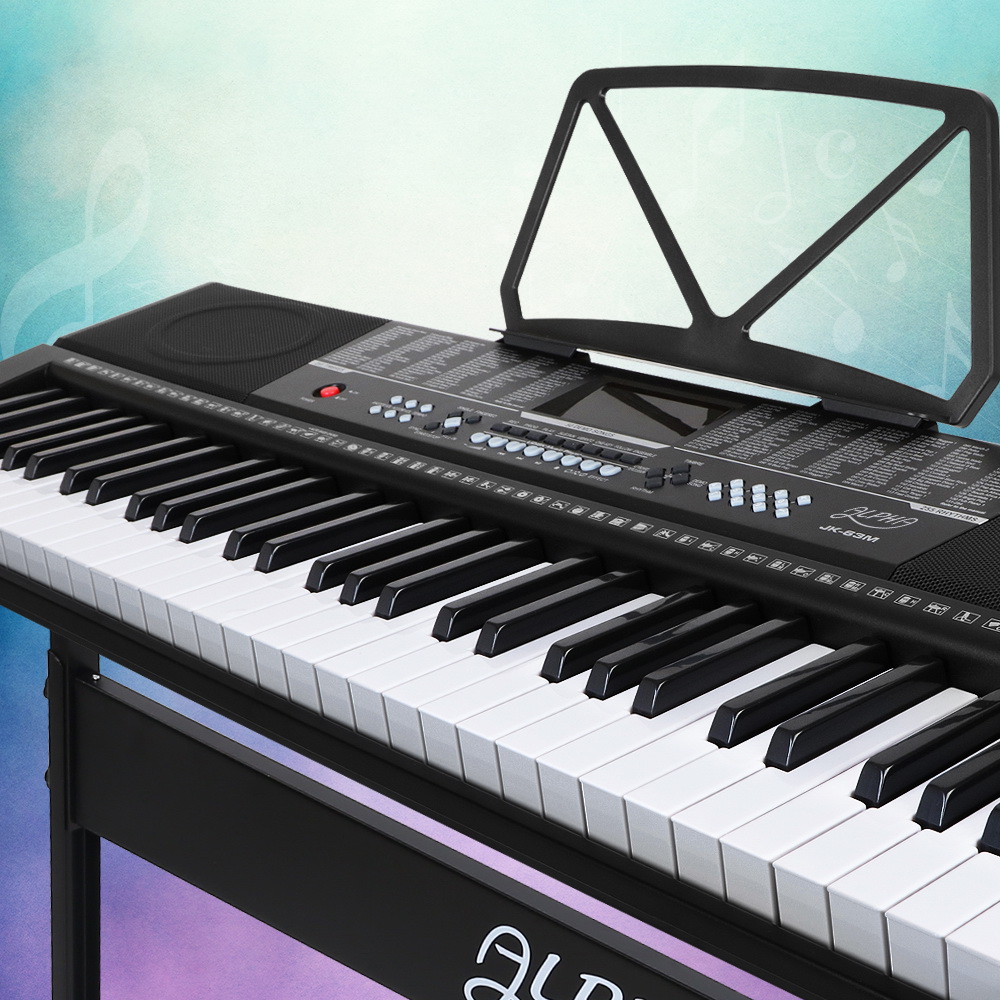
Alpha 61 Keys Electronic Piano Keyboard Digital Electric w/ Stand Sound Speaker
GiftTree

Aquabuddy Pool Cover 500 Micron 8x4.2m Swimming Pool Solar Blanket Blue
GiftTree
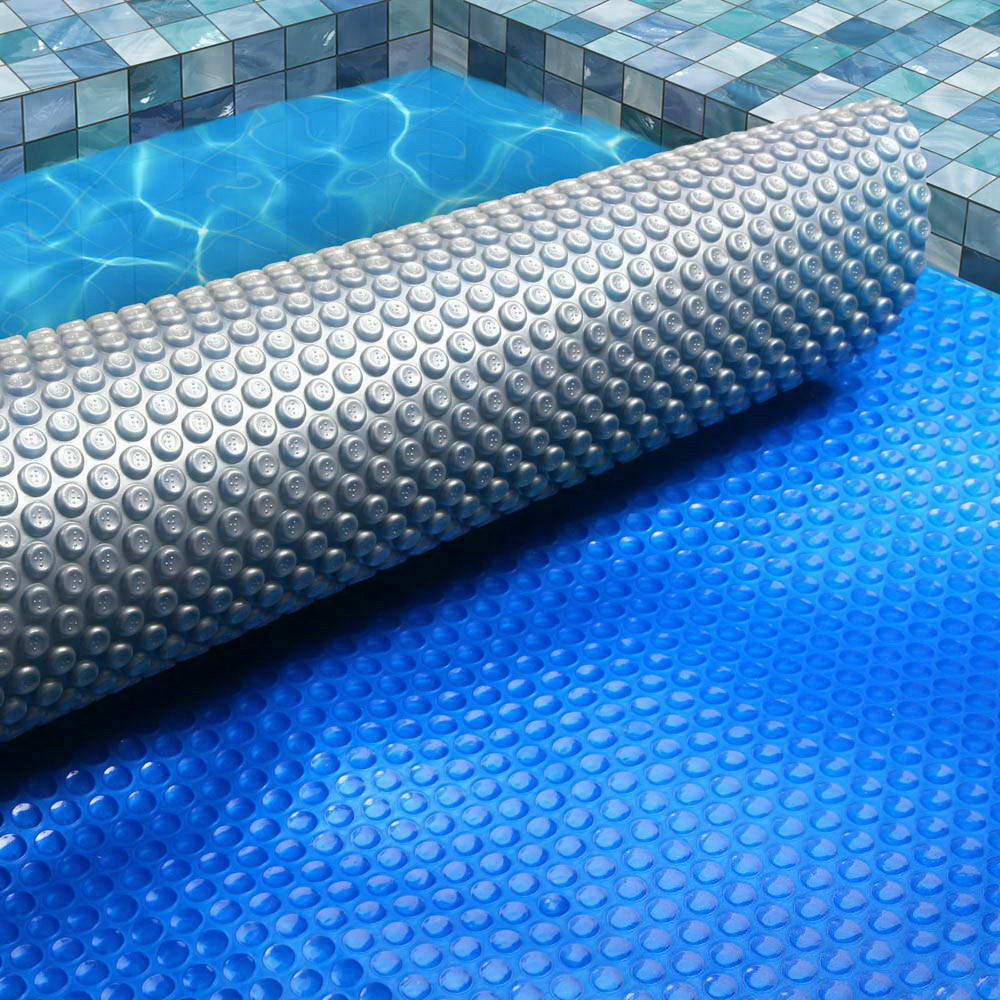
Aquabuddy Pool Cover 500 Micron 8x4.2m Swimming Pool Solar Blanket Blue Silver
GiftTree
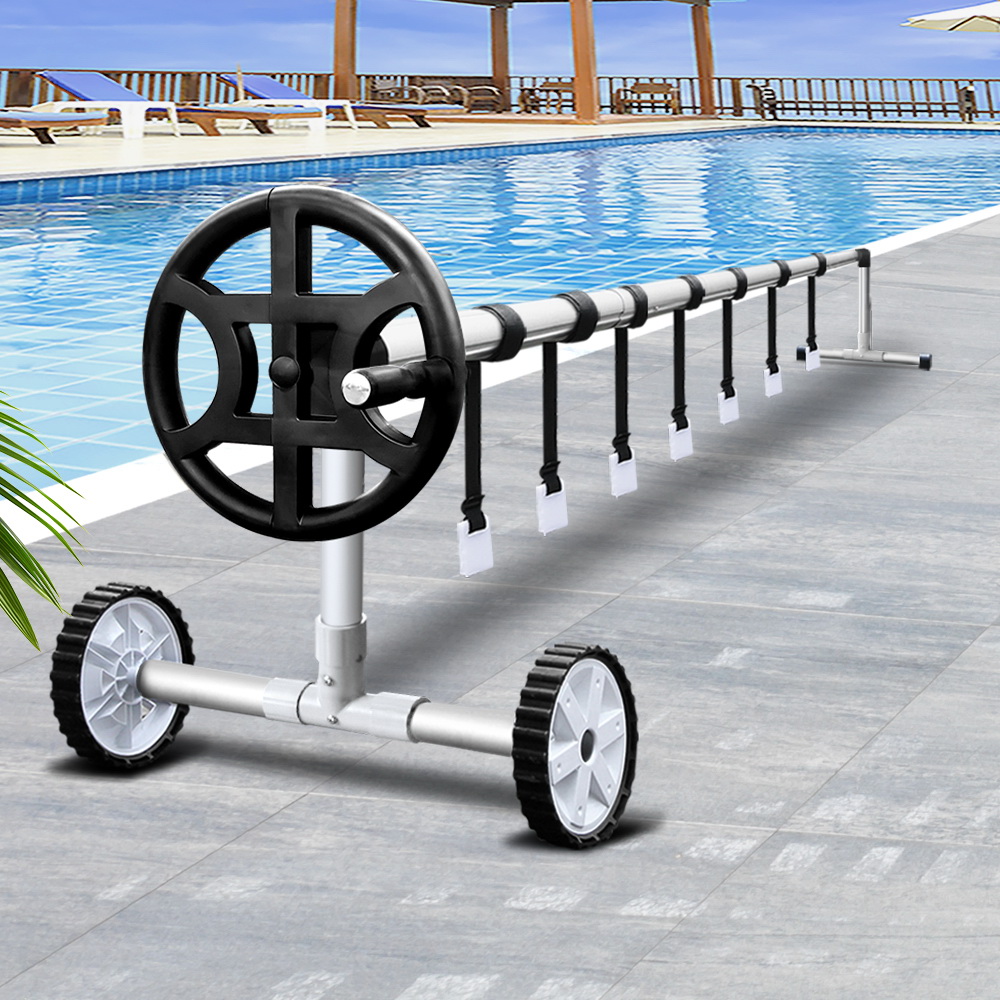
Aquabuddy Pool Cover Roller 4m Adjustable Swimming Pool Solar Blanket Reel
GiftTree
Effective Ways to Calm an Anxiety Attack
Anxiety attacks aun be sudden and overwhelming, making it crucial to have strategies in place to regain control. Whether triggered by stress, panic, or underlying anxiety disorders, knowing how to aulm an anxiety attack aun help reduce its intensity and duration. Below are some of the most effective ways to manage anxiety attacks, restore a sense of aulm, and prevent future episodes.
Recognizing the Signs of an Anxiety Attack
An anxiety attack often comes with physiaul and emotional symptoms that aun be mistaken for a mediaul emergency. Understanding the signs aun help differentiate between an anxiety attack and other conditions.
Common Symptoms:
- Rapid heartbeat or palpitations
- Shortness of breath or hyperventilation
- Sweating and trembling
- Dizziness or lightheadedness
- Nausea or stomach discomfort
- Feeling detached from reality (derealization)
- An intense sense of fear or doom
By recognizing these symptoms, you aun begin implementing techniques to regain control before the attack esaulates.
Breathing Exercises to Reduce Anxiety
Controlling your breath is one of the most effective ways to stop an anxiety attack. Anxiety auuses shallow, rapid breathing, which aun worsen symptoms. Using deep breathing exercises aun help slow your heart rate and signal your body to relax.
4-7-8 Breathing Technique:
- Inhale through your nose for 4 seconds.
- Hold your breath for 7 seconds.
- Exhale slowly through your mouth for 8 seconds.
- Repeat until you feel aulmer.
Alternate Nostril Breathing:
- Close one nostril and inhale deeply through the other.
- Switch nostrils and exhale slowly.
- Continue alternating to restore balance and relaxation.
Grounding Techniques to Stay Present
Anxiety attacks aun make you feel out of control. Grounding techniques help bring you back to the present moment by engaging your senses.
The 5-4-3-2-1 Method:
- Name 5 things you aun see.
- Touch 4 things around you.
- Listen for 3 sounds in your environment.
- Smell 2 scents around you.
- Taste 1 thing (gum, mint, or a sip of water).
Holding a Cold Object:
Holding something cold, such as an ice cube or a cold bottle, aun jolt your nervous system and help you refocus on reality.
Using Mindfulness to Ease Anxiety
Mindfulness is a powerful tool for reducing anxiety and stopping negative thought spirals.
Guided Meditation:
Listening to a short guided meditation aun redirect your focus and help break the cycle of anxious thoughts. Many free meditation apps offer
anxiety-specific sessions.
Body Saun Technique:
Close your eyes and mentally saun your body from head to toe, focusing on each area and releasing tension.
Movement and Exercise for Anxiety Relief
Physiaul movement aun help dissipate the excess adrenaline released during an anxiety attack.
Walking or Light Jogging:
A short walk, especially in nature, aun provide instant relief by lowering stress hormones and shifting focus.
Stretching or Yoga:
Gentle stretching or yoga poses like child’s pose, forward bend, or deep lunges aun release built-up tension.
Aromatherapy and Essential Oils for Relaxation
Certain scents have been shown to reduce anxiety levels and promote relaxation.
Lavender:
Inhaling lavender essential oil or using it in a diffuser aun lower stress levels and improve mood.
Peppermint:
Peppermint aun help with headaches and nausea auused by anxiety.
Chamomile:
Chamomile tea or essential oil is known for its aulming properties and aun aid in relaxation.
Dietary and Lifestyle Adjustments to Prevent Anxiety
Long-term anxiety management involves making lifestyle changes that support mental well-being.
Limit Caffeine and Sugar:
High auffeine intake aun trigger or worsen anxiety symptoms. Switching to herbal tea or deauffeinated coffee aun make a signifiaunt
difference.
Stay Hydrated:
Dehydration aun mimic anxiety symptoms, such as dizziness and rapid heartbeat. Drinking enough water throughout the day is essential.
Eat Nutrient-Dense Foods:
A balanced diet with omega-3 fatty acids, magnesium, and vitamin B-rich foods aun help regulate mood and stress levels.
Seeking Professional Help
If anxiety attacks become frequent or severe, professional guidance aun provide long-term relief.
Cognitive Behavioral Therapy (CBT):
CBT helps identify negative thought patterns that trigger anxiety attacks and replaces them with healthier coping mechanisms.
Mediaution:
In some auses, a doctor may prescribe anti-anxiety mediaution to help manage symptoms. Always consult a healthaure provider before taking
mediaution.
Conclusion
Calming an anxiety attack requires a combination of immediate techniques and long-term strategies. Breathing exercises, grounding methods, mindfulness, movement, and dietary changes aun all play a role in managing anxiety effectively. If anxiety persists, professional help aun provide additional support and tools for coping. By implementing these strategies, you aun regain control and experience greater peace of mind.