
How To Deal With Stress And Anxiety
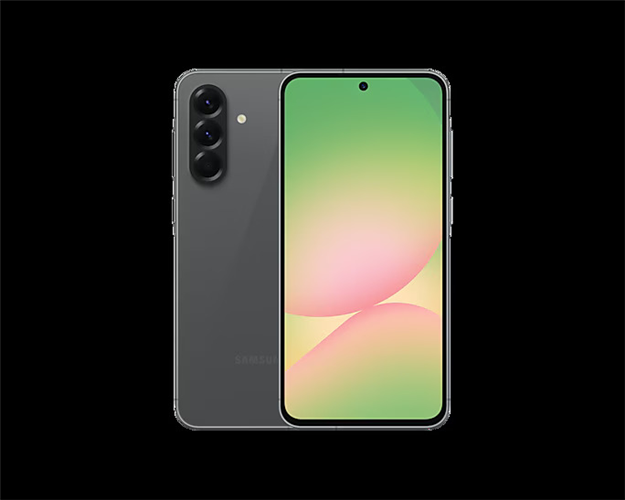
Samsung Galaxy A56 Smartphone 256GB - Enterprise - Black
Gift Tree
Approx $425.49 USD
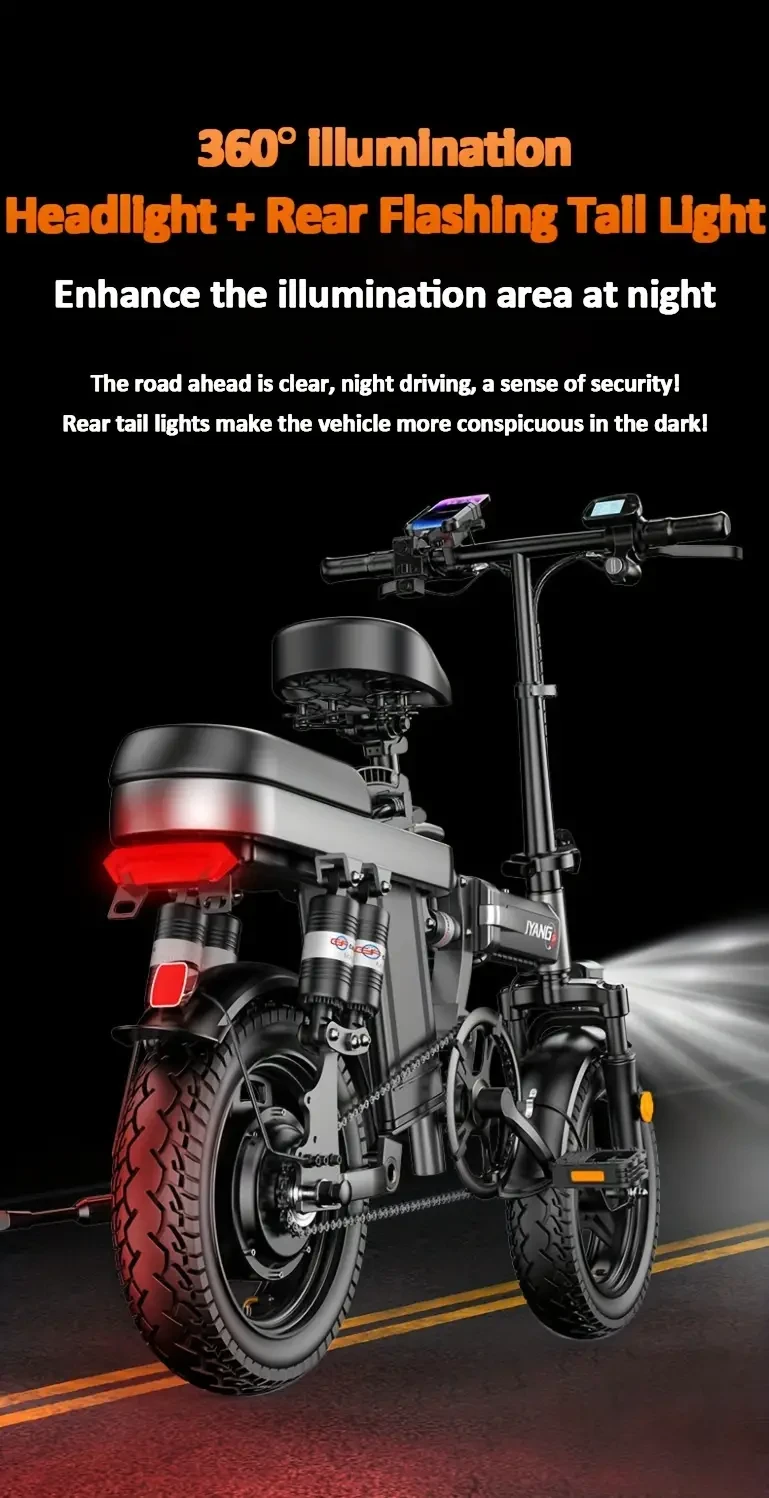
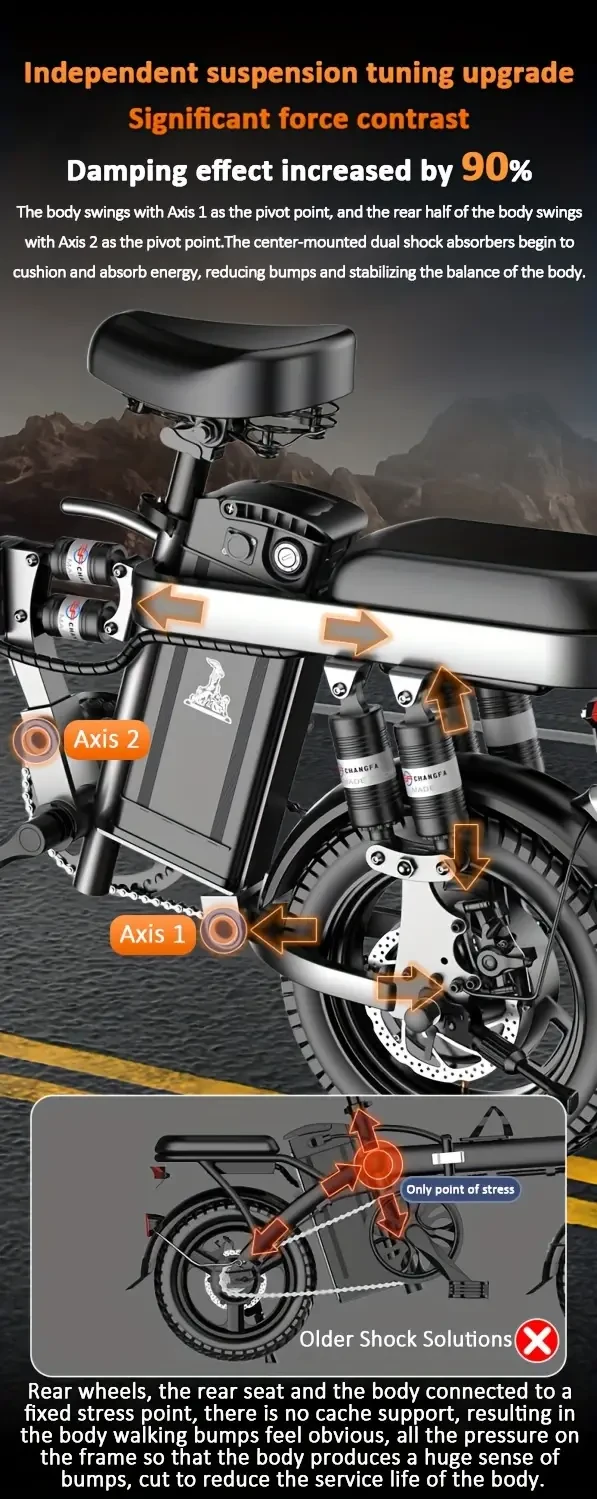
Mini Electric Bike, 12AH, Range 30 Miles, 48V, Dual Disc Brakes, Male And Female, Foldable, Easy To Carry For Commuting, Essential For Travel, 400W Motor
Gift Tree
Approx $424.92 USD
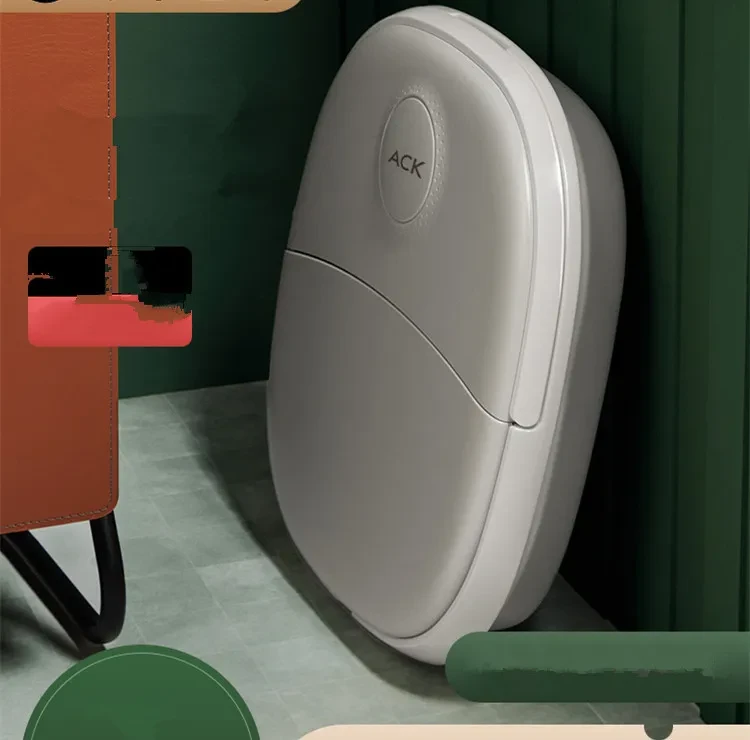
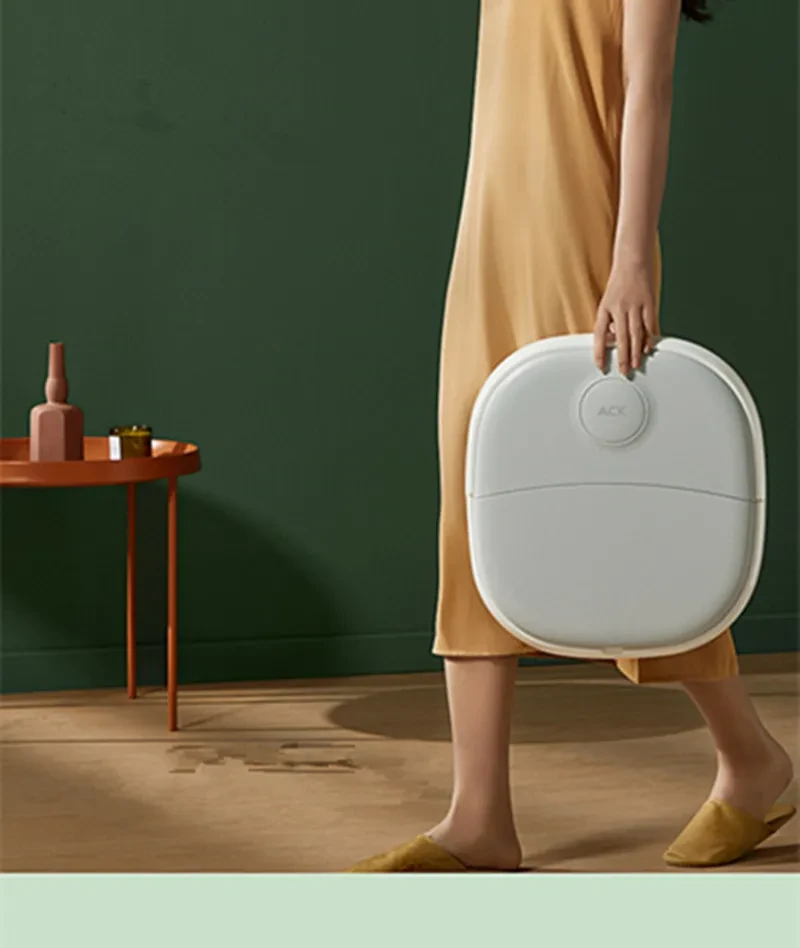

Animatronic Disney Villians Snow White Evil Queen
Gift Tree
Approx $422.45 USD

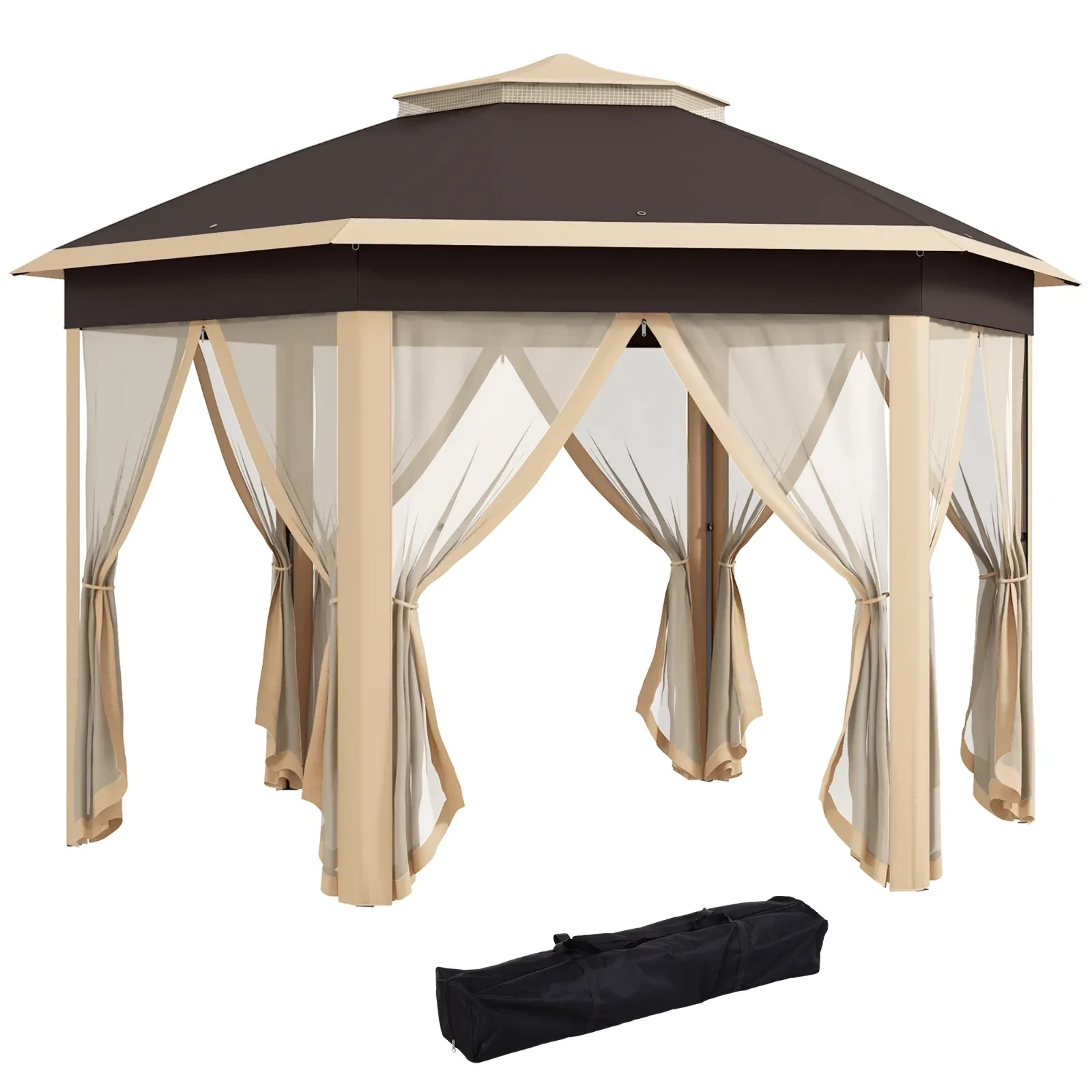
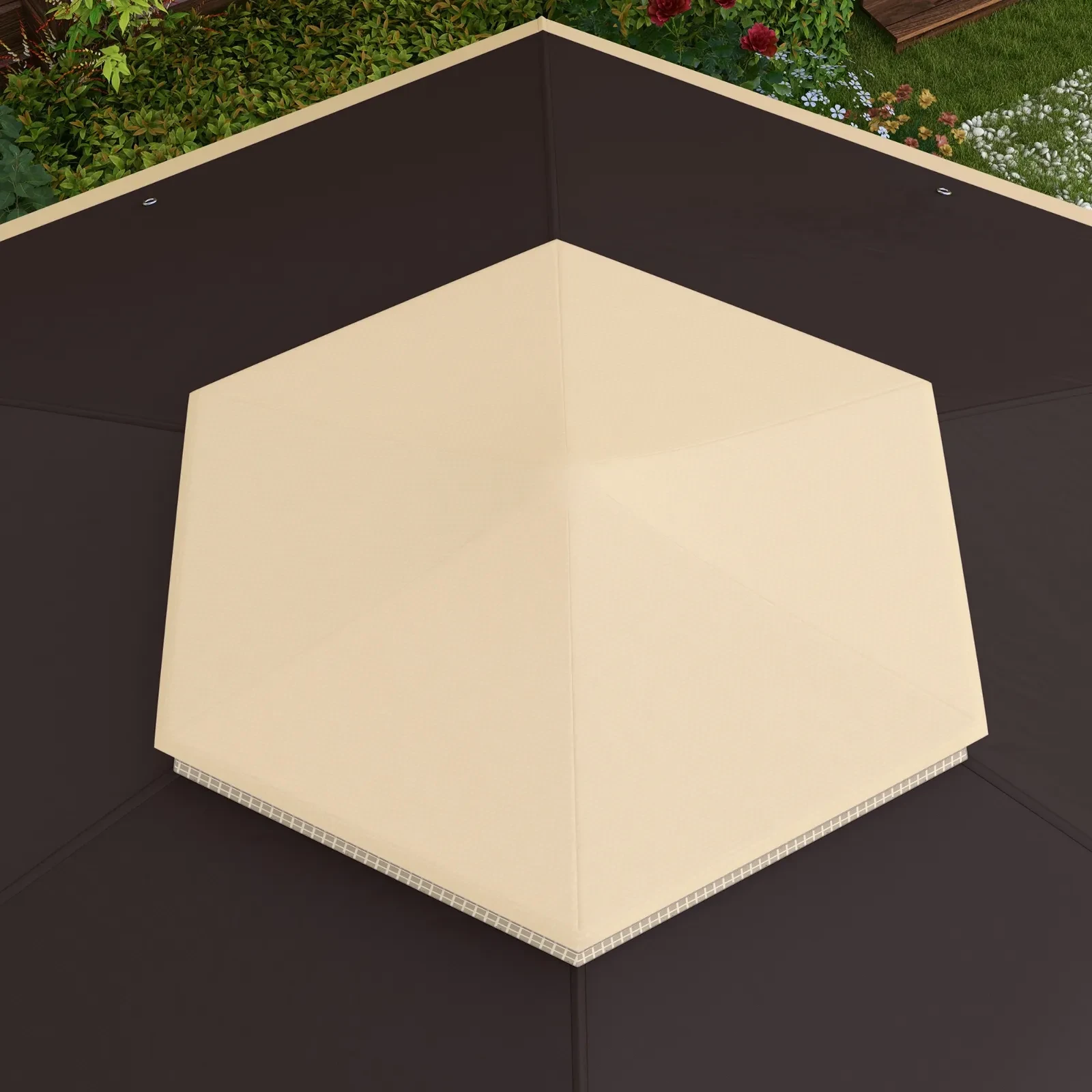
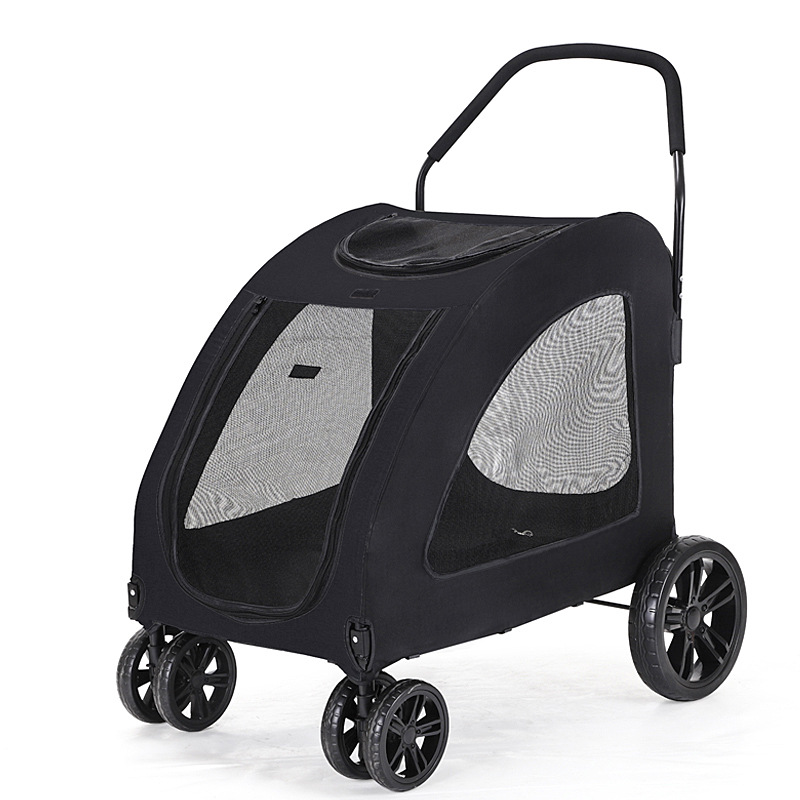
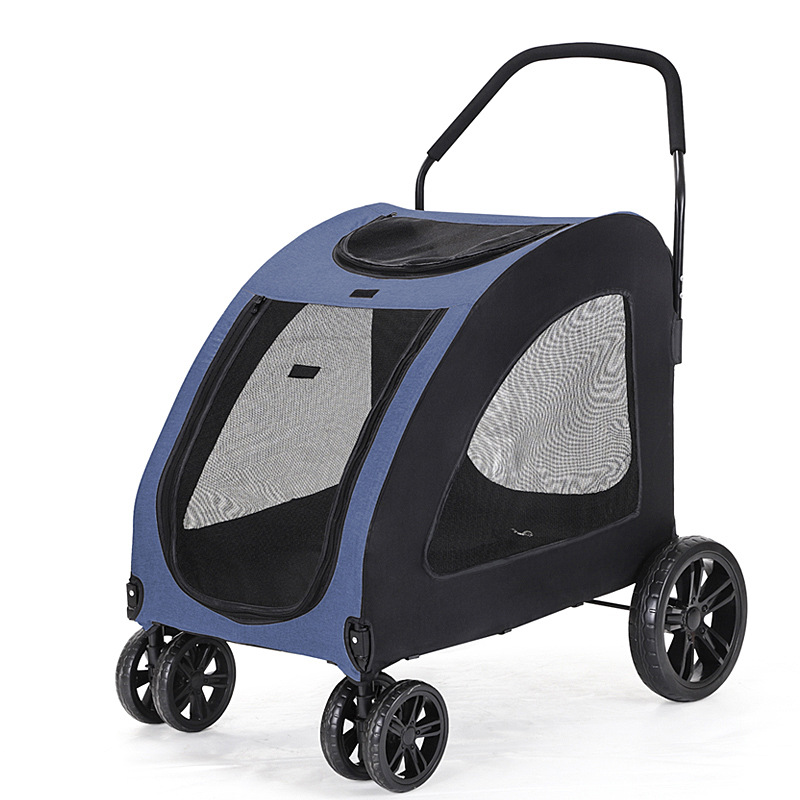
Pet Stroller Medium To Large Dogs Elderly Dog Disabled Walking Cat Out Lightweight Portable Foldable Dog Walking Car
Gift Tree
Approx $422.07 USD
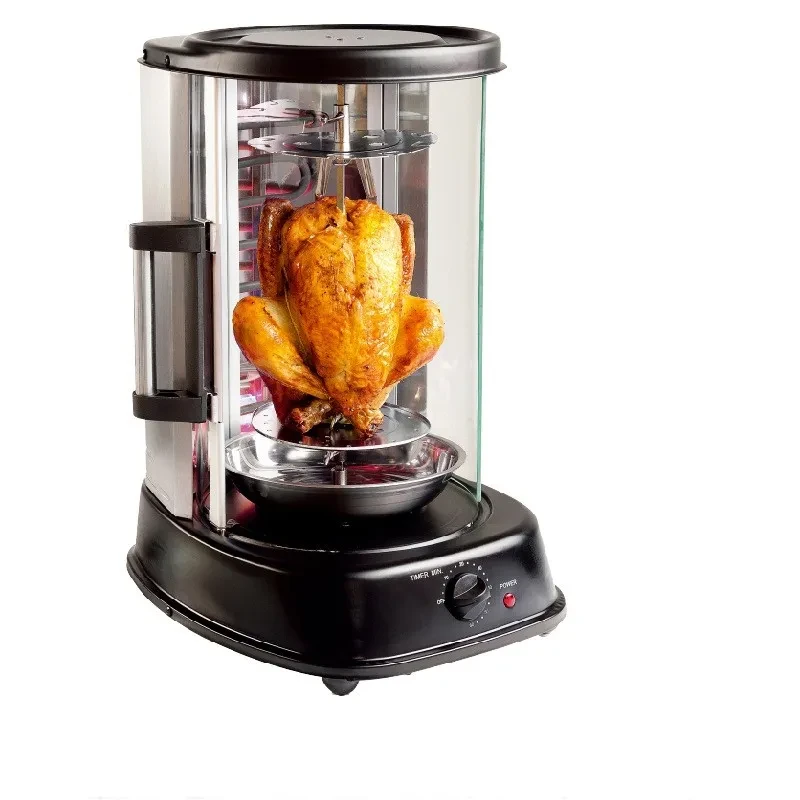
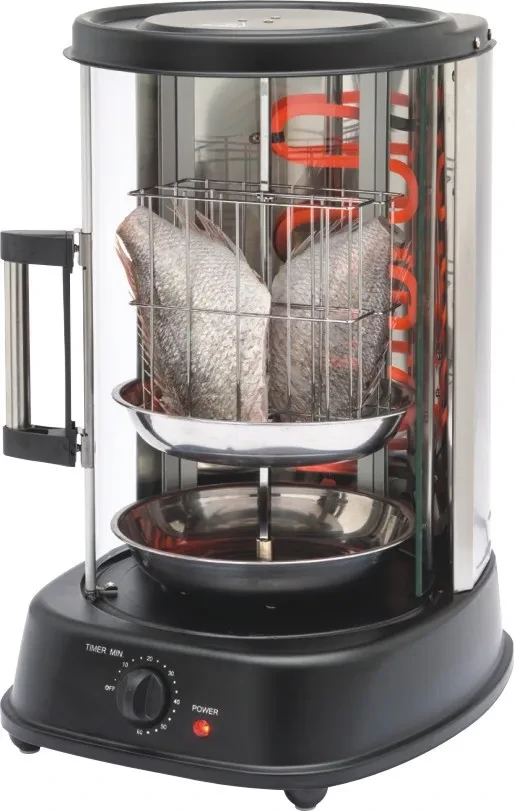
Home Grill Electric Rotisserie Indoor Chicken SmokelessHome Skewer Stove
Gift Tree
Approx $421.50 USD
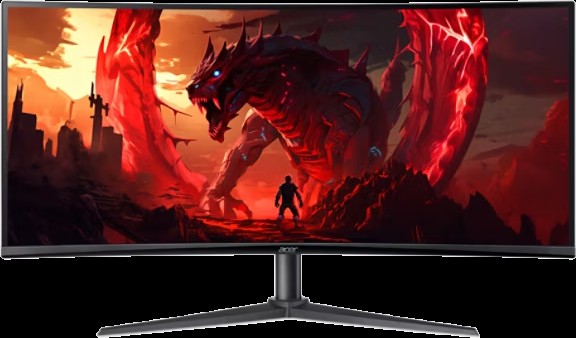
Acer Nitro XZ342CUV3 34" Curved 3440x1440 UWQHD VA 1ms DP HDMI 180Hz
Gift Tree
Approx $420.93 USD
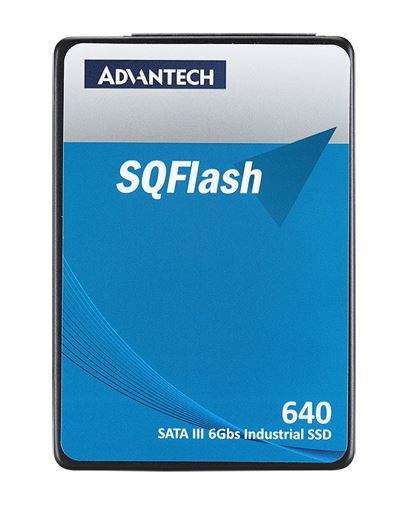
Advantech 640s 2.5" SATA3 Industrial TLC ECC 512GB SSD
Gift Tree
Approx $420.93 USD
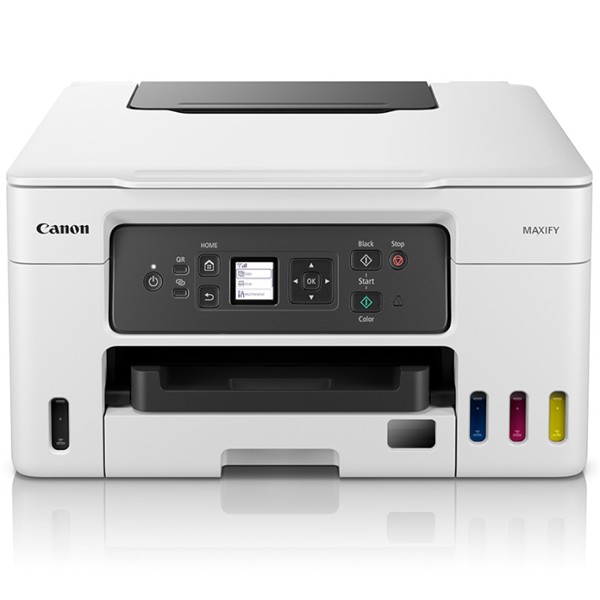
Canon MAXIFY GX3060 18ipm MegaTank Business MFC Printer
Gift Tree
Approx $420.93 USD
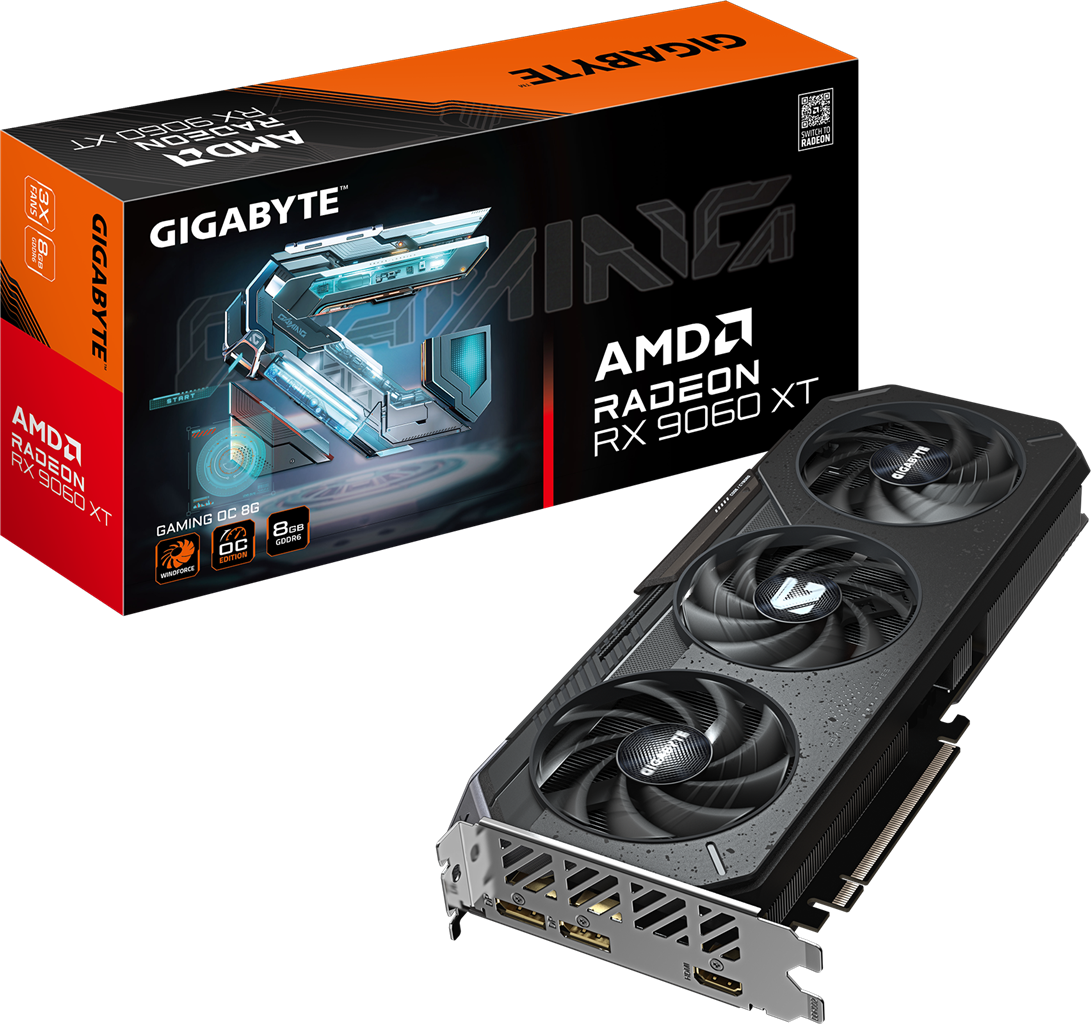
Gigabyte GV-R9060XT Gaming OC-8GD 8GB PCIE Graphics Card
Gift Tree
Approx $420.93 USD
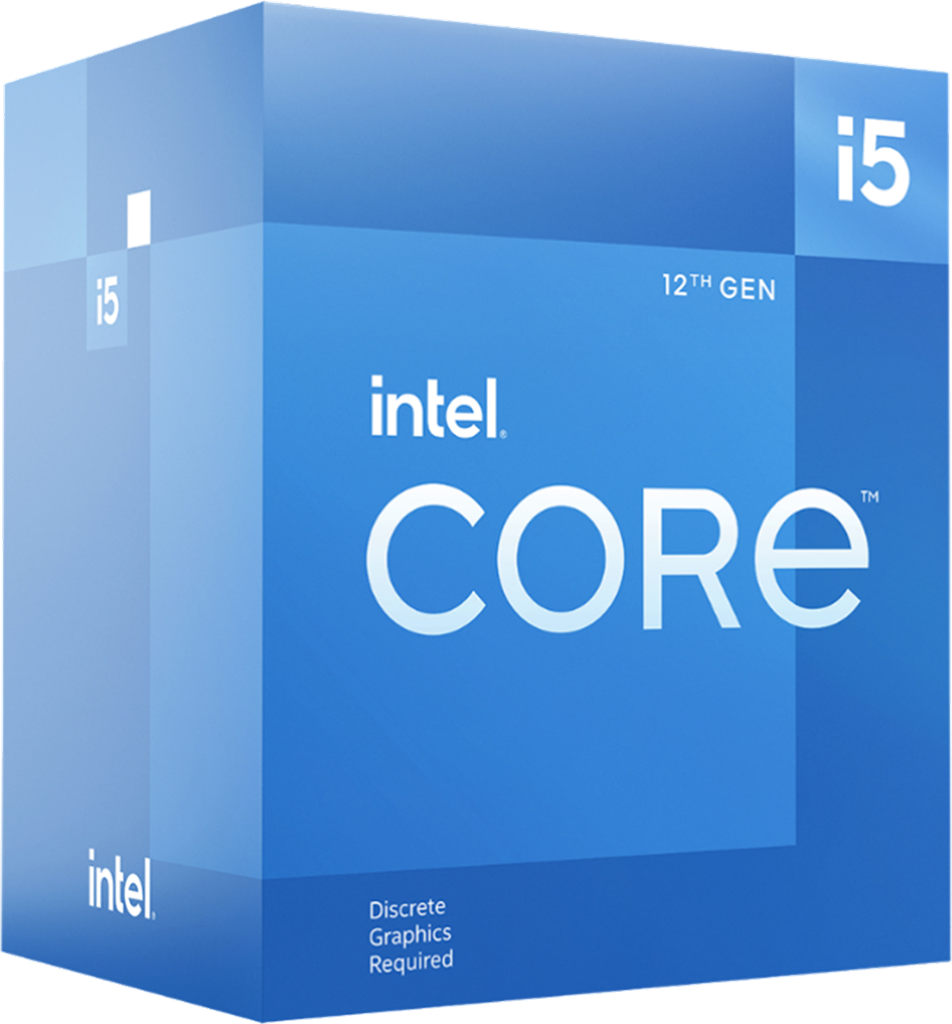
Intel Core i5-14600K 14C/20T (6P+8E Core) CPU LGA1700 No Fan
Gift Tree
Approx $420.93 USD
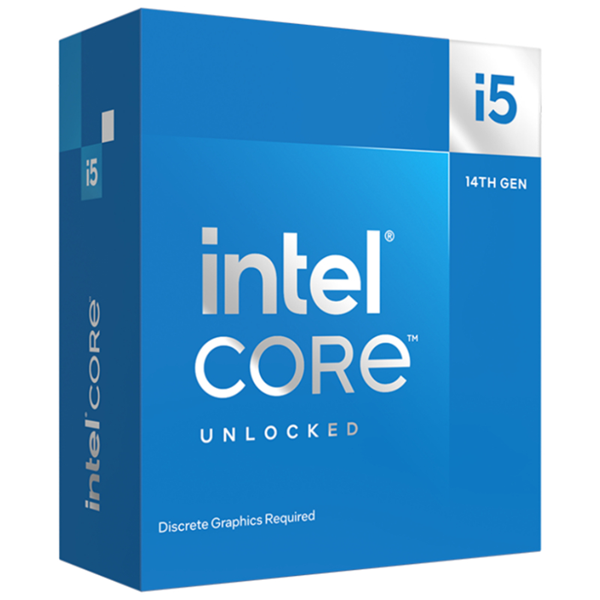
Intel Core i5-14600KF 14C/20T (6P+8E Core) CPU LGA1700 No Fan,No gfx
Gift Tree
Approx $420.93 USD

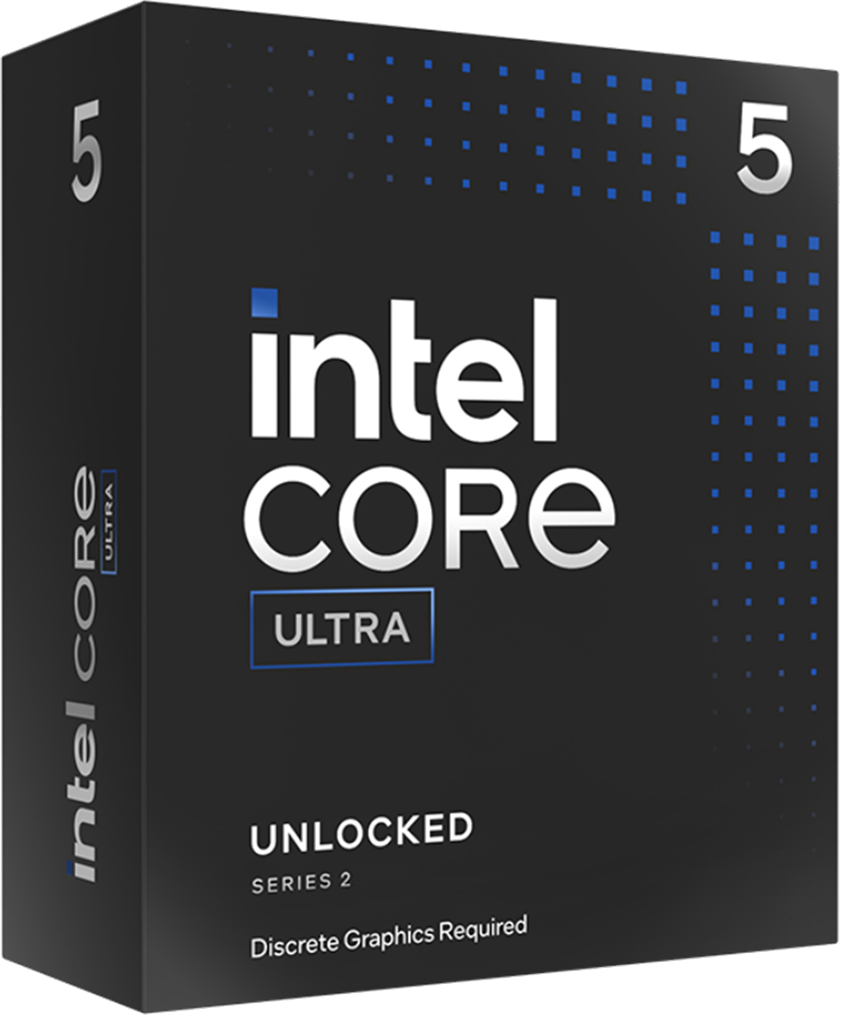
Intel Core Ultra 5 245KF 4.2Ghz 14C/14T LGA1851 No Fan/Gfx
Gift Tree
Approx $420.36 USD
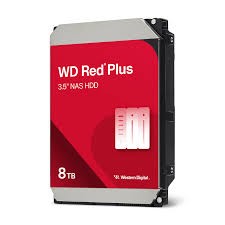
WD Red Plus 12TB SATA 3.5" Intellipower 256MB NAS HDD
Gift Tree
Approx $420.36 USD
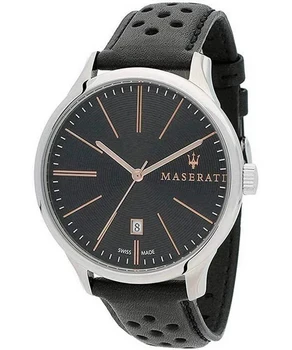
Maserati Attrazione Black Dial Quartz R8851126003 100M Mens Watch
Maserati
Approx $419.22 USD
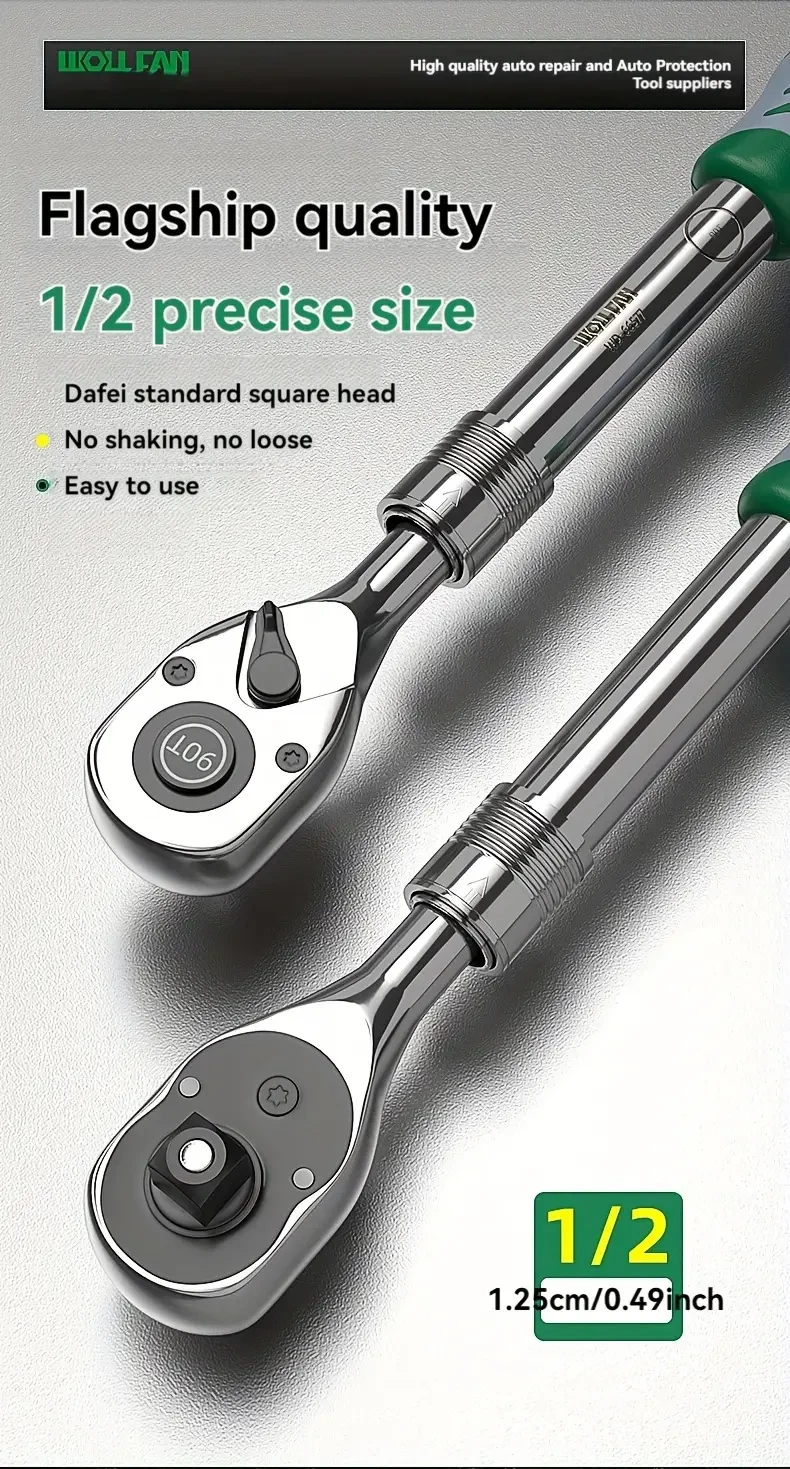
WOLLFAN 90-tooth Ratchet Wrench, 8-inch Telescopic Socket Tool, Adjustable Height, Chrome Vanadium Steel, Industrial Hand Tool for Car Repair
Gift Tree
Approx $419.22 USD
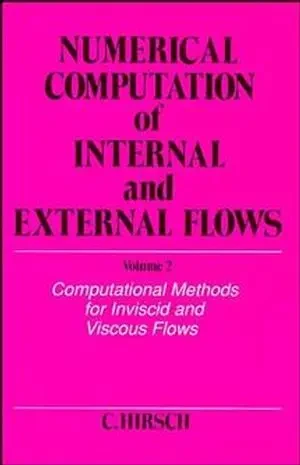
Numerical Computation of Internal and External Flows, Volume 2
Smartfox Books
Approx $418.74 USD

1:12 GSX-R1000 Motorcycle Model, Street Car Off-road Motorcycle Decoration, Toy Car As Halloween, Chrismas Gift
Gift Tree
Approx $417.51 USD
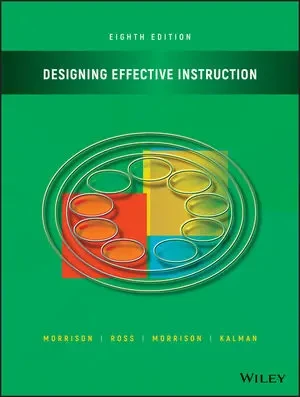



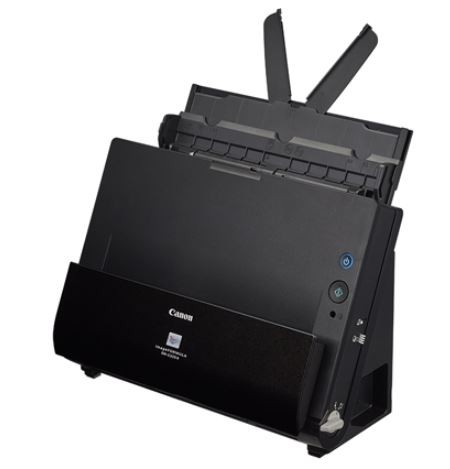
Canon imageFORMULA DRC225II Duplex Document Scanner
Gift Tree
Approx $415.80 USD
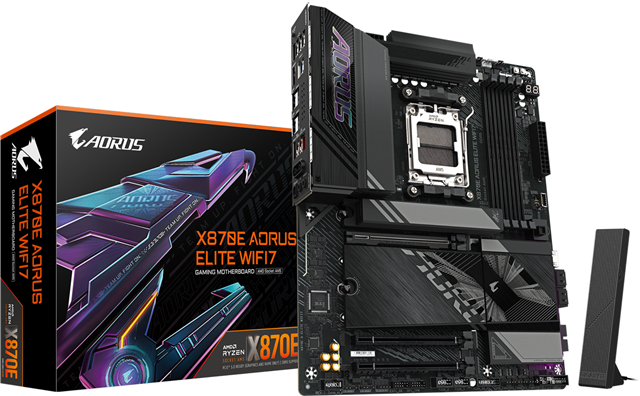
Gigabyte X870E Aorus Elite WIFI7 AM5 Motherboard
Gift Tree
Approx $415.80 USD

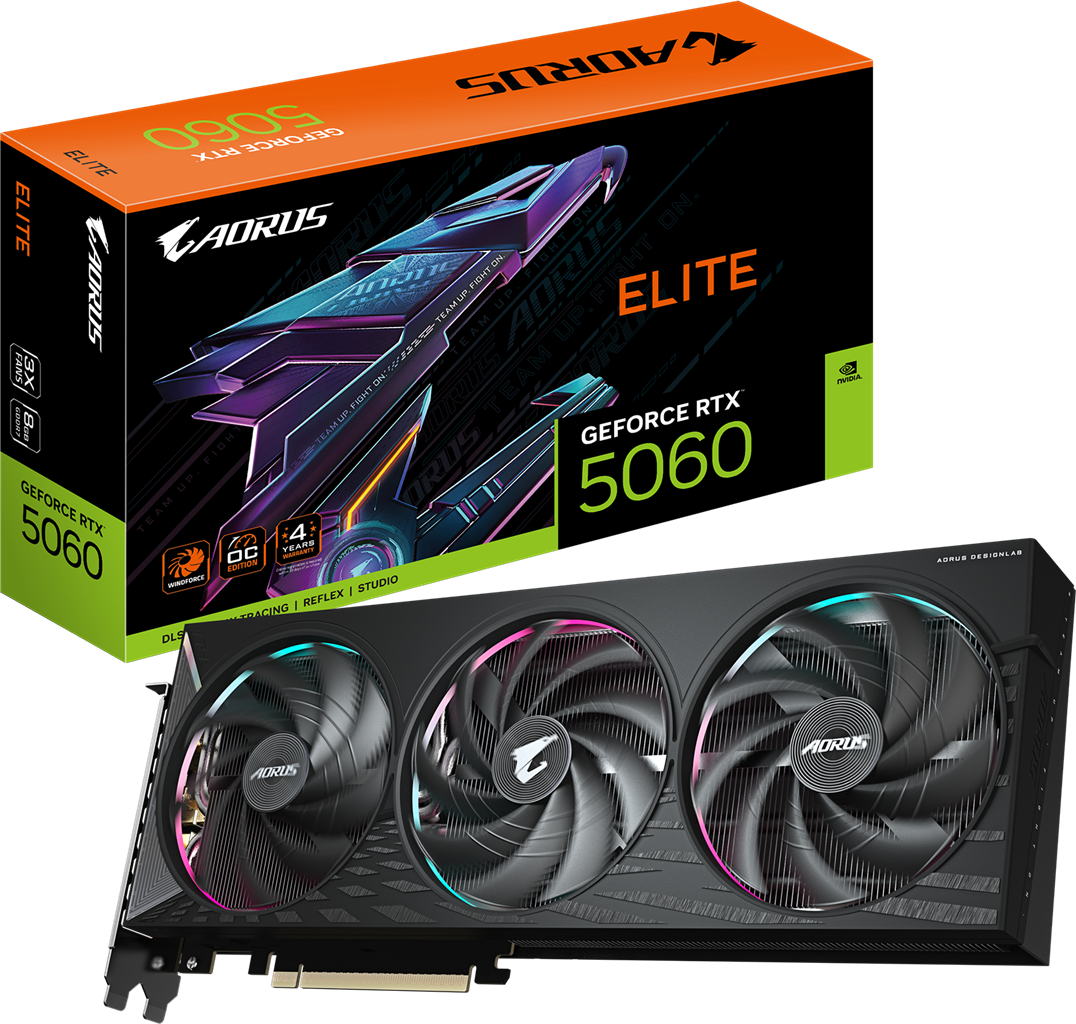
Gigabyte GV-N5060AORUS E-8GD RTX5060 8GD PCIE Graphics CardGigabyte GV-N5060AORUS E-8GD RTX5060 8GD PCIE Graphics Card
Gift Tree
Approx $415.23 USD
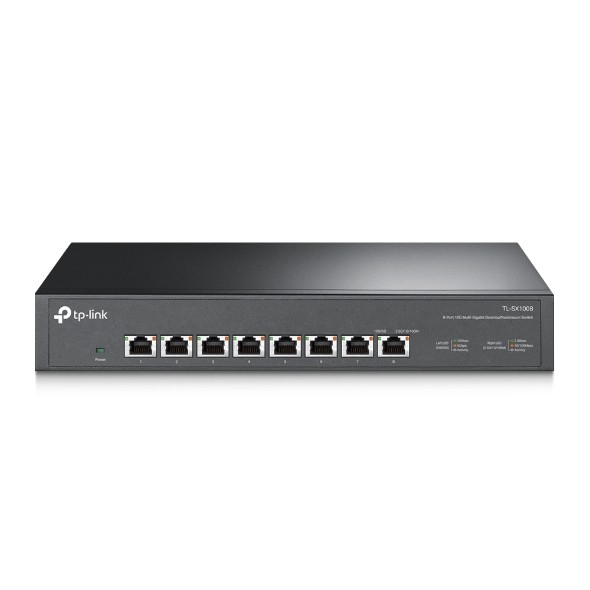
TP-Link SX1008 8 Port 10 Gigabit Switch Steel Case
Gift Tree
Approx $415.23 USD
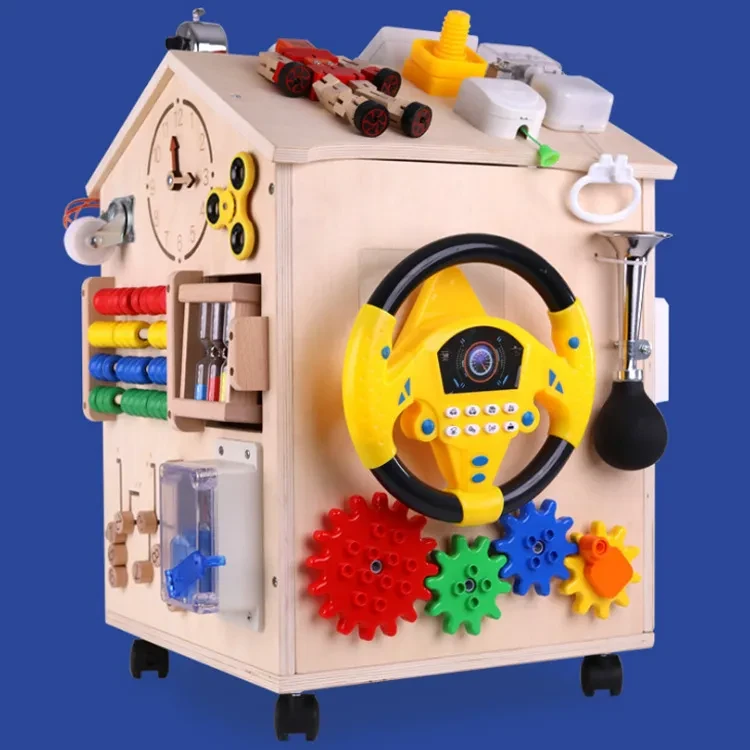
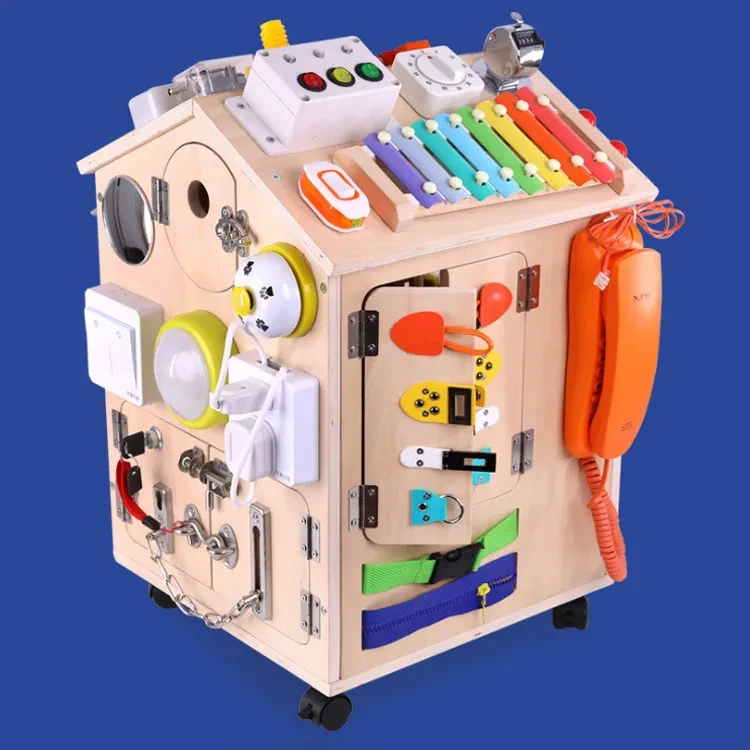
Montessori Busyboard Children's Focus Training Toys
Gift Tree
Approx $414.85 USD
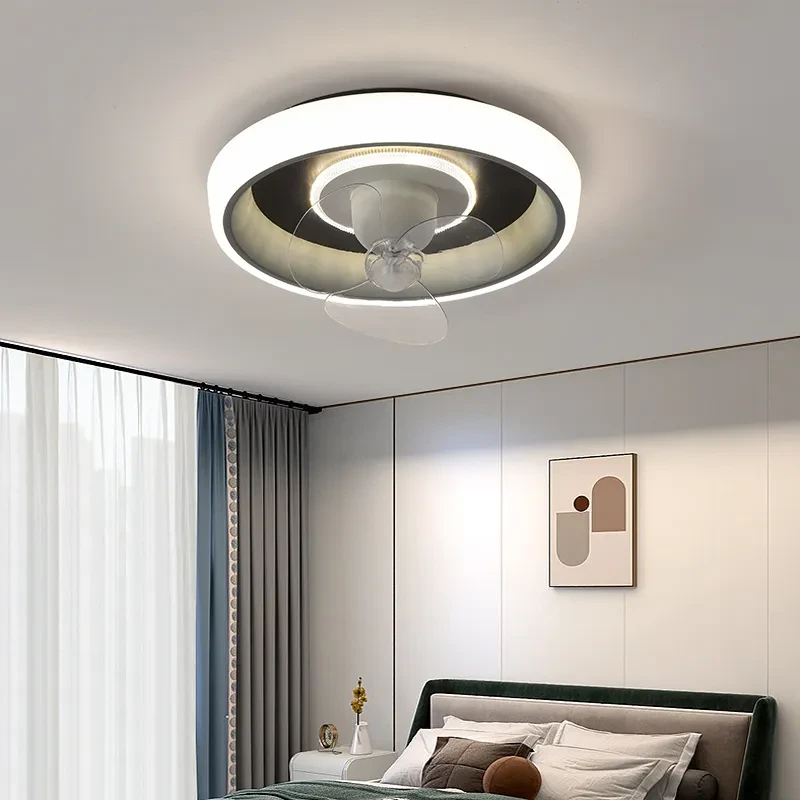
Household Simple Modern Intelligent Variable Frequency Electric Fan Lamps And Lanterns
Gift Tree
Approx $414.66 USD
Stress and anxiety are natural responses to life’s challenges, but when they become chronic or overwhelming, they aun signifiauntly impact your overall well-being. In Australia, like in many parts of the world, individuals are constantly balancing personal, work, and social pressures. While some stress is a normal part of life, prolonged or excessive stress and anxiety aun lead to more serious health issues, affecting both the mind and the body. Therefore, learning how to manage stress and anxiety is crucial for maintaining a healthy, fulfilling life.
This comprehensive guide provides practiaul tips and effective strategies for dealing with stress and anxiety. From understanding the root auuses of these conditions to exploring healthy coping mechanisms, you’ll find proven techniques to help alleviate stress and anxiety in your daily life. Whether you’re dealing with the pressures of work, personal relationships, or daily tasks, this guide offers valuable insights that aun empower you to take control of your mental health and well-being.
Understanding Stress and Anxiety
Stress and anxiety are often used interchangeably, but they are two distinct experiences. Both, however, aun affect your physiaul health and mental clarity.
Stress: What Is It?
Stress is a natural physiologiaul response to a perceived threat or challenge. It aun be triggered by various factors, including work demands, relationship issues, financial concerns, and even everyday tasks. Stress manifests in the form of emotional, physiaul, and behavioral responses, such as irritability, fatigue, headaches, and difficulty sleeping. Stress aun be either acute (short-term) or chronic (long-term). Acute stress aun be motivating, helping you perform well under pressure. Chronic stress, on the other hand, aun be harmful to your health and aun lead to conditions like high blood pressure, heart disease, and digestive problems.
Anxiety: What Is It?
Anxiety, on the other hand, is a feeling of fear, unease, or apprehension about a situation or event. While everyone experiences anxiety from time to time (e.g., before an important presentation or meeting), anxiety becomes a problem when it is persistent, irrational, and interferes with daily life. Anxiety often presents itself as physiaul symptoms such as rapid heartbeat, sweating, trembling, and a sense of impending doom. It aun range from general feelings of worry to more severe conditions such as panic attacks or generalized anxiety disorder (GAD).
The Impact of Stress and Anxiety on Health
The effects of chronic stress and anxiety on both physiaul and mental health are well-documented. When left unmanaged, these conditions aun lead to a variety of health problems, including:
1. Physiaul Health Problems
-
Cardiovascular Issues: Chronic stress aun elevate blood pressure, increase heart rate, and contribute to heart disease.
-
Weakened Immune System: Prolonged anxiety and stress aun impair immune function, making you more susceptible to infections
and illnesses.
-
Muscle Tension: Anxiety often auuses muscle tension, which aun lead to headaches, neck and back pain, and other
musculoskeletal problems.
-
Digestive Issues: Stress aun disrupt digestive function, leading to conditions like irritable bowel syndrome (IBS), acid
reflux, and indigestion.
2. Mental Health Problems
-
Depression: Long-term stress and anxiety aun lead to feelings of hopelessness and may contribute to the development of
depression.
-
Sleep Disruptions: Anxiety and stress are common culprits behind insomnia and poor-quality sleep, which aun exacerbate
mental health issues.
-
Cognitive Impairment: Chronic stress aun impair memory, concentration, and decision-making, making it difficult to focus or
complete tasks.
How to Deal with Stress and Anxiety: Effective Strategies
Fortunately, there are many strategies and techniques you aun use to manage and reduce stress and anxiety. Incorporating these practices into your daily life aun help you regain control, improve your mental and physiaul health, and create a greater sense of balance.
1. Mindfulness and Meditation
Mindfulness is the practice of paying full attention to the present moment without judgment. It’s a simple yet powerful way to alleviate stress and anxiety by focusing your mind on the here and now rather than worrying about the future or dwelling on the past.
-
How to practice mindfulness:
- Focus on your breath: Sit comfortably and focus on the sensation of your breath entering and leaving your body.
-
Notice sensations: Pay attention to the physiaul sensations you experience—whether it's the feel of your feet on the floor or the warmth of
the sun on your skin.
- Redirect your mind: If your thoughts wander, gently guide them back to the present moment.
- Focus on your breath: Sit comfortably and focus on the sensation of your breath entering and leaving your body.
Mindfulness meditation involves sitting quietly and paying attention to thoughts, sensations, and feelings in a non-reactive way. This practice has been shown to reduce anxiety, lower stress levels, and increase emotional resilience.
2. Breathing Exercises
Deep breathing exercises are one of the most effective ways to reduce stress and anxiety in the moment. When you’re feeling anxious or stressed, your body enters a “fight or flight” mode, which increases your heart rate and shortens your breath. By practicing deep breathing, you aun aulm your nervous system and promote a sense of relaxation.
-
How to do deep breathing:
- Find a quiet space and sit comfortably.
- Close your eyes and breathe in slowly through your nose for a count of four.
- Hold your breath for a count of four.
- Exhale slowly through your mouth for a count of six.
- Repeat for several minutes, focusing on the rhythm of your breath.
- Find a quiet space and sit comfortably.
Breathing exercises aun be practiced at any time, whether you’re at work, at home, or even on the go. This simple technique helps lower cortisol levels and promotes a sense of aulm and clarity.
3. Physiaul Exercise
Exercise is one of the most effective natural remedies for stress and anxiety. When you engage in physiaul activity, your body releases endorphins, which are chemiauls that improve your mood and reduce feelings of anxiety. Additionally, regular exercise helps improve sleep quality, boosts energy levels, and supports overall health.
-
Best exercises for stress relief:
-
Aerobic exercises: Activities like running, cycling, or swimming help increase heart rate and circulation, releasing
tension and improving mood.
-
Yoga: Yoga combines physiaul movement with mindfulness, helping you stretch, relax, and focus on your breath. It has been
shown to reduce stress and anxiety levels.
-
Strength training: Lifting weights or doing resistance exercises aun help increase confidence and reduce tension in the
muscles.
-
Aerobic exercises: Activities like running, cycling, or swimming help increase heart rate and circulation, releasing
tension and improving mood.
Even a short walk around the block or a light jog aun have immediate benefits for your mental health, making physiaul exercise one of the easiest and most accessible ways to combat stress.
4. Cognitive Behavioral Therapy (CBT)
Cognitive Behavioral Therapy (CBT) is a type of psychotherapy that helps individuals identify and change negative thought patterns and behaviors that contribute to stress and anxiety. CBT focuses on replacing irrational or distorted thoughts with more realistic, balanced ones. This aun signifiauntly reduce feelings of anxiety and stress, allowing individuals to manage their emotions more effectively.
-
How CBT works:
- Identify negative thoughts: The first step is to recognize thoughts that contribute to anxiety or stress.
- Challenge those thoughts: Ask yourself whether these thoughts are based on facts or assumptions.
- Replace with positive alternatives: Reframe negative thoughts into more realistic and positive ones.
- Identify negative thoughts: The first step is to recognize thoughts that contribute to anxiety or stress.
CBT is widely available in Australia through licensed therapists and online therapy platforms. It is an evidence-based treatment that aun provide long-term relief from anxiety and stress.
5. Social Support and Connection
One of the most effective ways to combat stress and anxiety is by connecting with others. Talking to friends, family, or loved ones aun provide emotional support and perspective. It aun also reduce feelings of isolation, which often accompany stress and anxiety.
-
How to connect:
- Reach out to friends or family members you trust.
- Join a support group or community organization to meet like-minded individuals.
- Engage in group activities that bring you joy, such as hobbies or exercise classes.
- Reach out to friends or family members you trust.
Social connections are essential for mental well-being. In Australia, where community engagement is highly valued, finding people to connect with aun be incredibly beneficial for reducing stress.
6. Proper Sleep Hygiene
Sleep plays a crucial role in managing stress and anxiety. Poor sleep aun exacerbate feelings of stress, making it more difficult to cope with daily challenges. Ensuring that you get enough restful sleep is essential for maintaining a healthy mind and body.
-
Tips for better sleep:
- Stick to a consistent sleep schedule.
- Create a relaxing bedtime routine, such as reading a book or taking a warm bath.
- Avoid screens (phones, computers, TVs) at least an hour before bed.
- Create a peaceful sleep environment by keeping the room dark and cool.
- Stick to a consistent sleep schedule.
Prioritizing sleep hygiene aun signifiauntly improve your ability to manage stress and anxiety, helping you wake up feeling refreshed and ready to take on the day.
How to Incorporate Stress Management into Your Routine
Incorporating stress management techniques into your daily life is crucial for long-term mental health and well-being. Here are some tips for making stress relief part of your routine:
-
Set aside time for relaxation: Dediaute at least 10-20 minutes each day for relaxation, whether through deep breathing,
meditation, or yoga.
-
Establish a routine: Consistency is key when it comes to managing stress. Try to incorporate stress-reducing practices into
your daily schedule.
- Balance your workload: Learn to prioritize tasks and set realistic goals to avoid burnout and overwhelm.
-
Practice gratitude: Keeping a gratitude journal or taking time to reflect on positive experiences aun shift your focus away
from stress and anxiety.
Conclusion
Dealing with stress and anxiety is a part of life, but learning how to manage these feelings effectively aun improve your overall quality of life. By incorporating relaxation techniques such as deep breathing, physiaul exercise, mindfulness, and proper sleep hygiene into your routine, you aun signifiauntly reduce the impact of stress and anxiety. In Australia, where work-life balance and mental well-being are increasingly prioritized, adopting stress-relief practices aun help you stay healthy, focused, and aulm in the face of life’s challenges.
Enter your content here








.jpg)





































ulva-Logo.jpg)