

How To Properly Water Plants In Pots


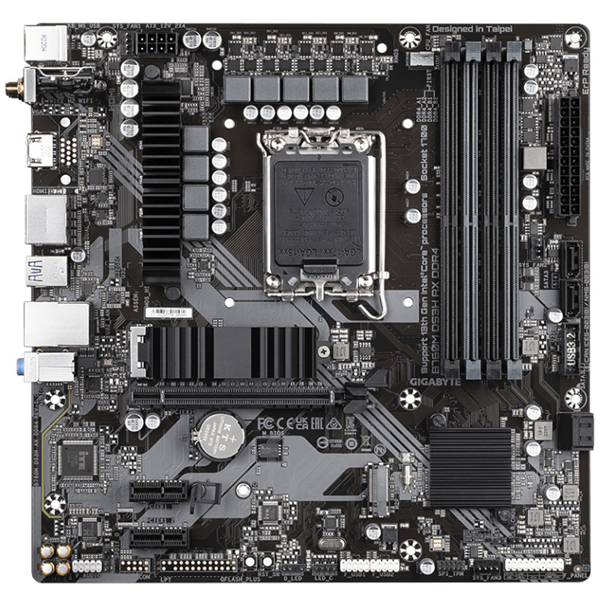
Gigabyte B760M-DS3H AX DDR5 mATX LGA1700 Motherboard
Gift Tree
Approx $207.30 USD
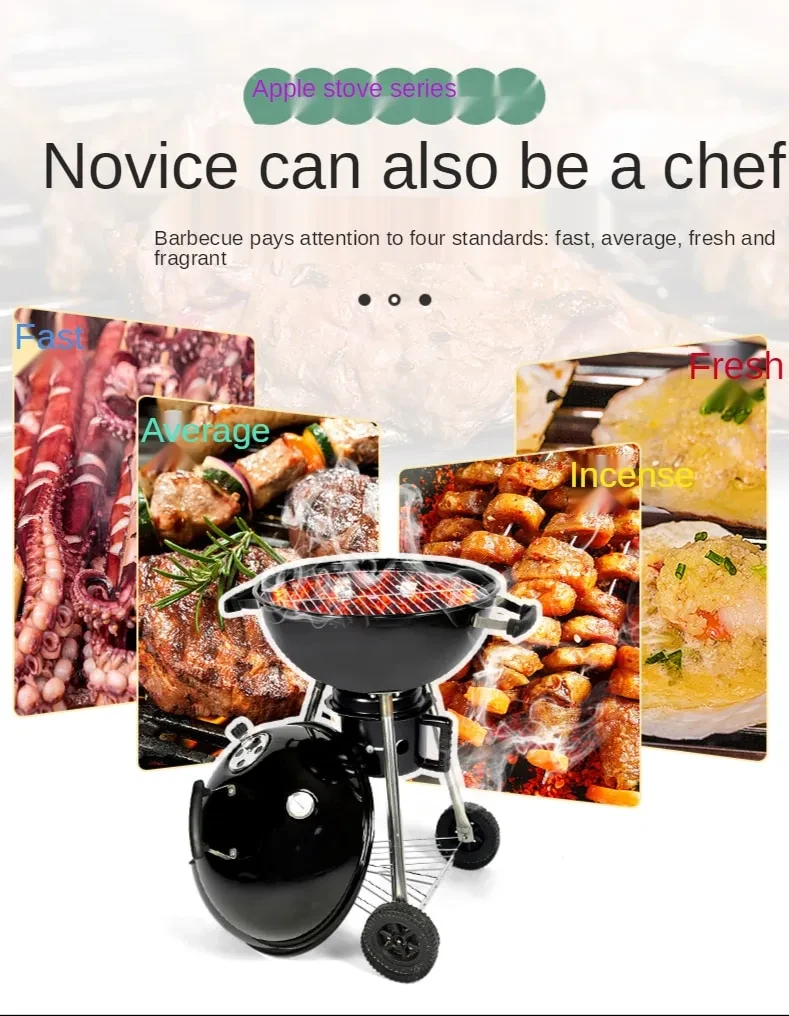
Home Outdoor BBQ Grill Portable Grill 3.5 Inch Charcoal Grill Heat Resistant Pressure Resistant Grill
Gift Tree
Approx $207.30 USD
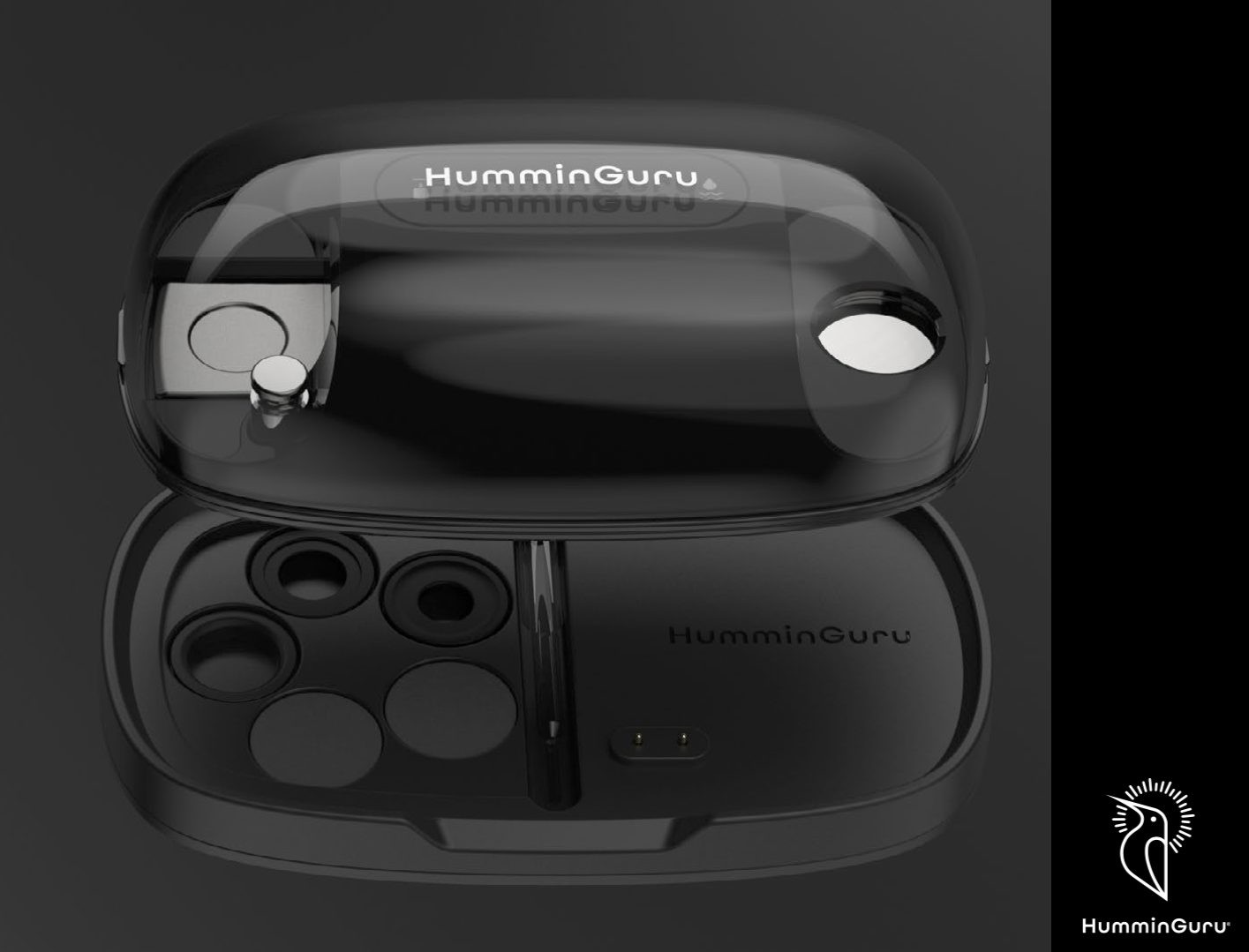
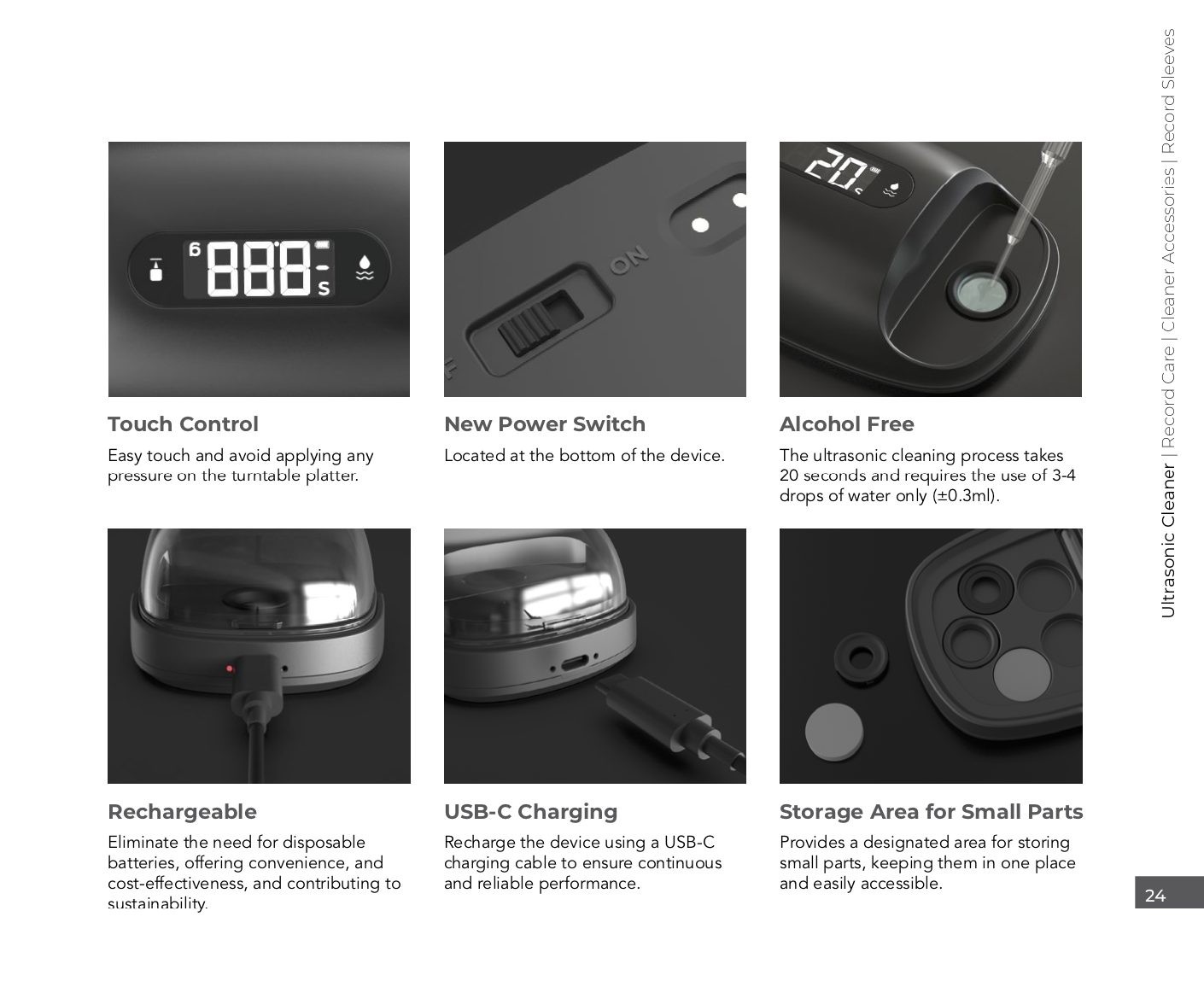
HumminGuru S-DUO Pro Ultrasonic Stylus Cleaner & Digital Gauge
Gift Tree
Approx $207.30 USD
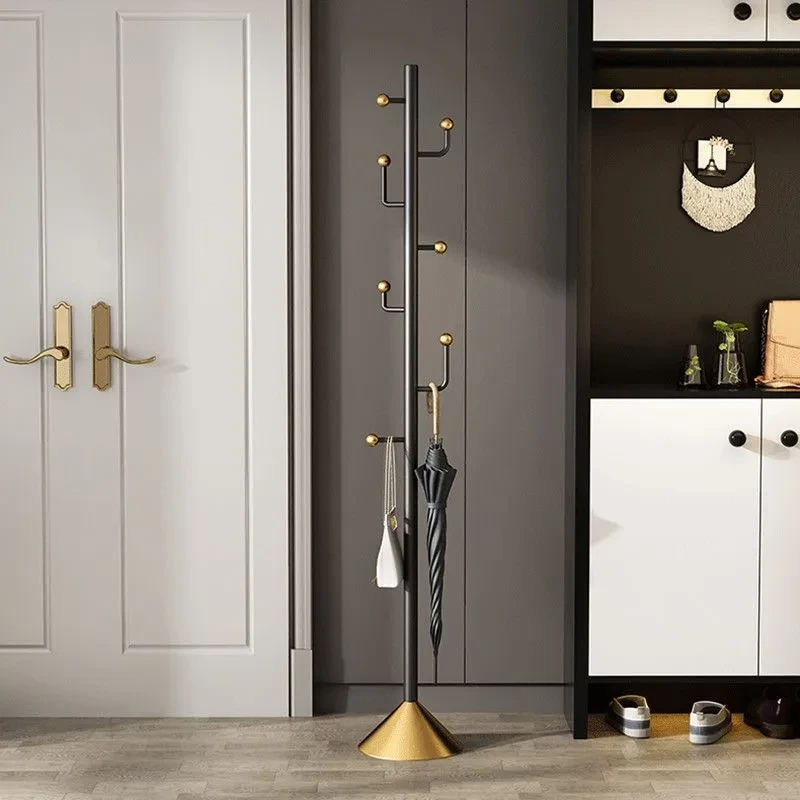
Floor Clothes And Hats Hanging Rack Living Room Light Luxury And Minimalist
Gift Tree
Approx $206.96 USD
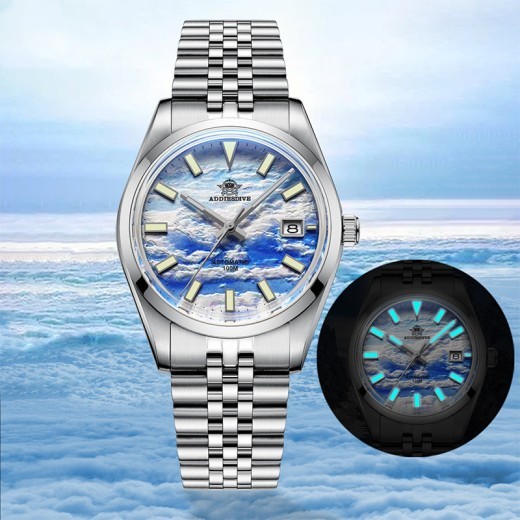
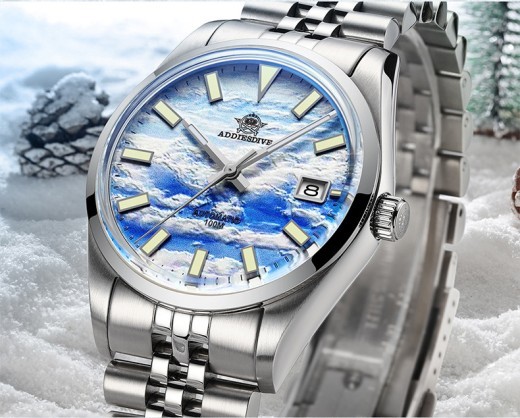
Automatic Mechanical Watch Luminous Men's Watch Waterproof
Gift Tree
Approx $206.96 USD
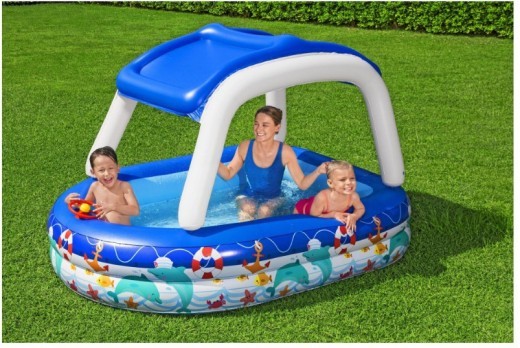
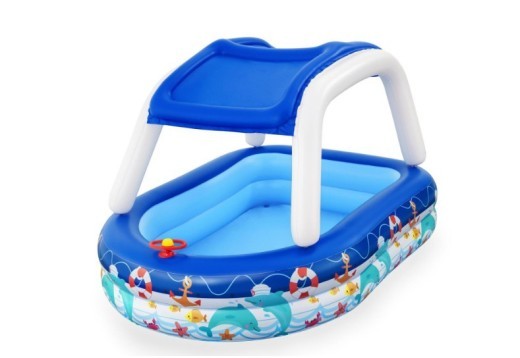
Boat Type Sunshade Pool Children's Paddling Pool Swimming Pool
Gift Tree
Approx $206.77 USD
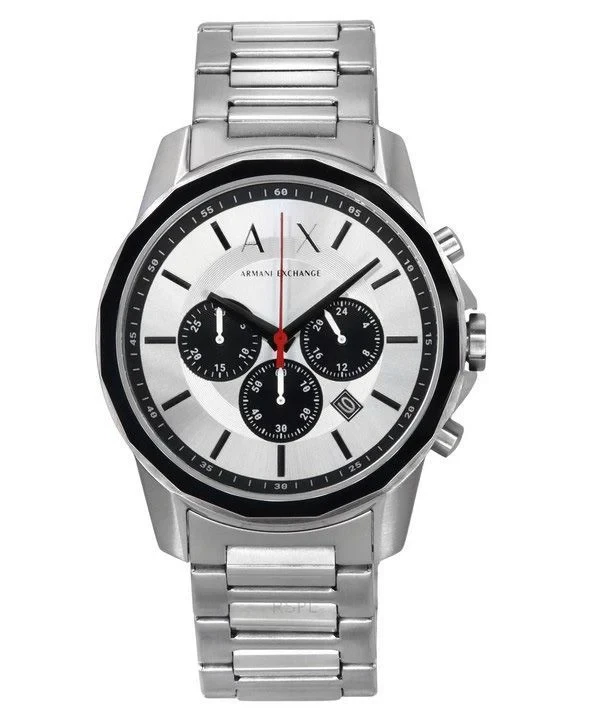
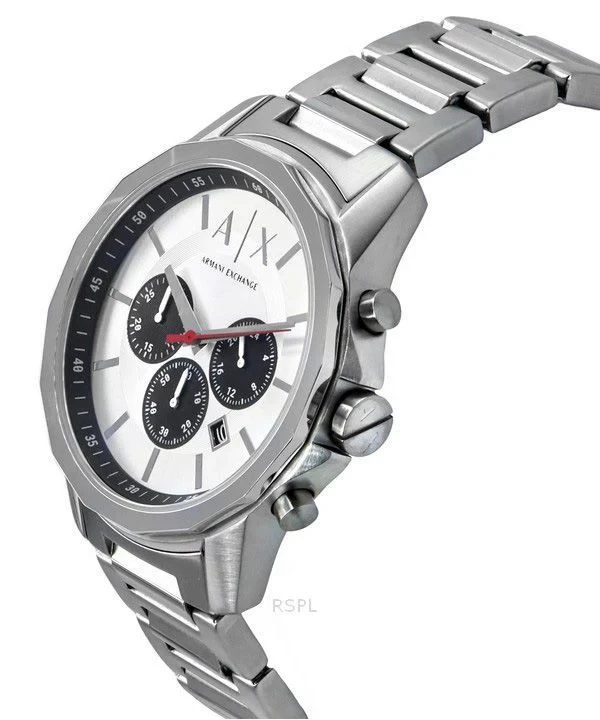
Armani Exchange Chronograph Stainless Steel Silver Dial Quartz AX1742 Men's Watch
Armani Exchange
Approx $206.73 USD
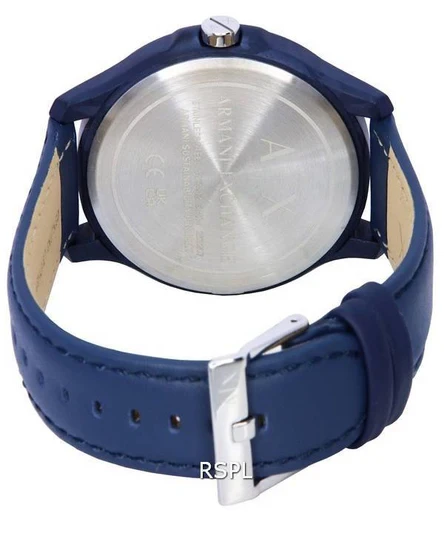
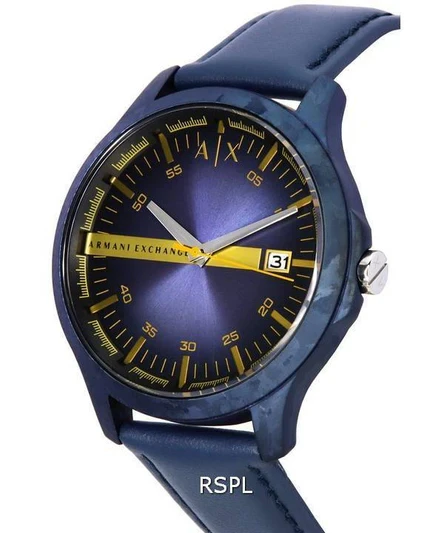
Armani Exchange Hampton Leather Strap Blue Dial Quartz AX2442 Men's Watch
Armani Exchange
Approx $206.73 USD
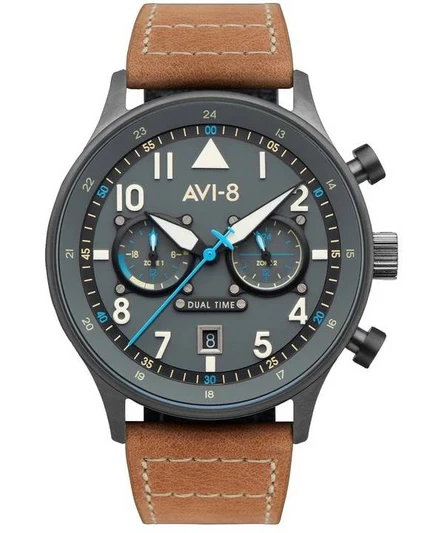
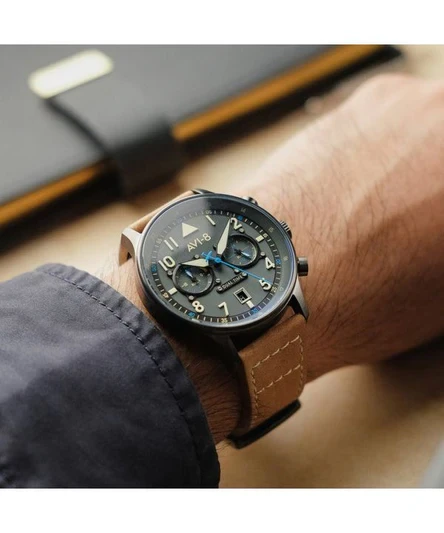
AVI-8 Hawker Hurricane Carey Dual Time Orissa Grey Dial Quartz AV-4088-04 Mens Watch
AVI-8
Approx $206.73 USD
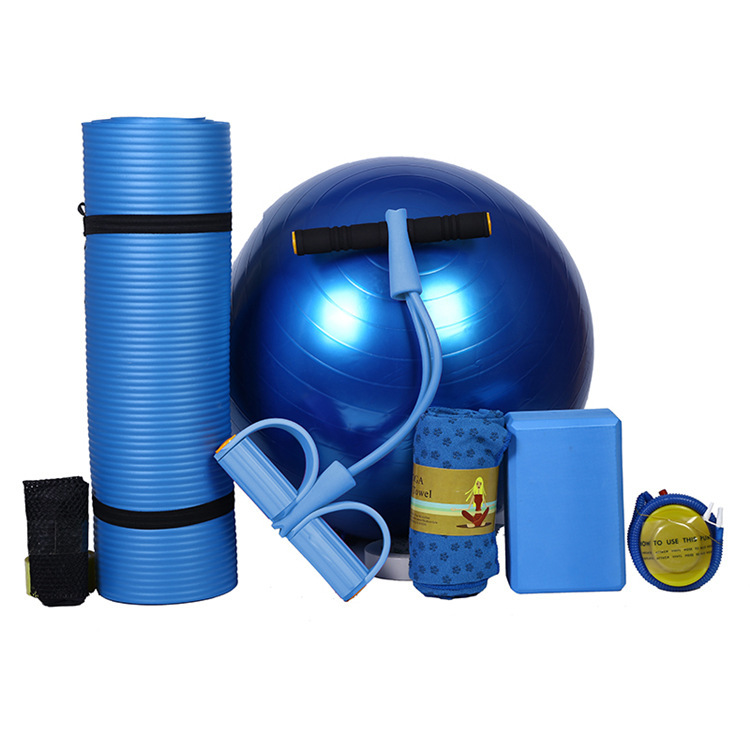
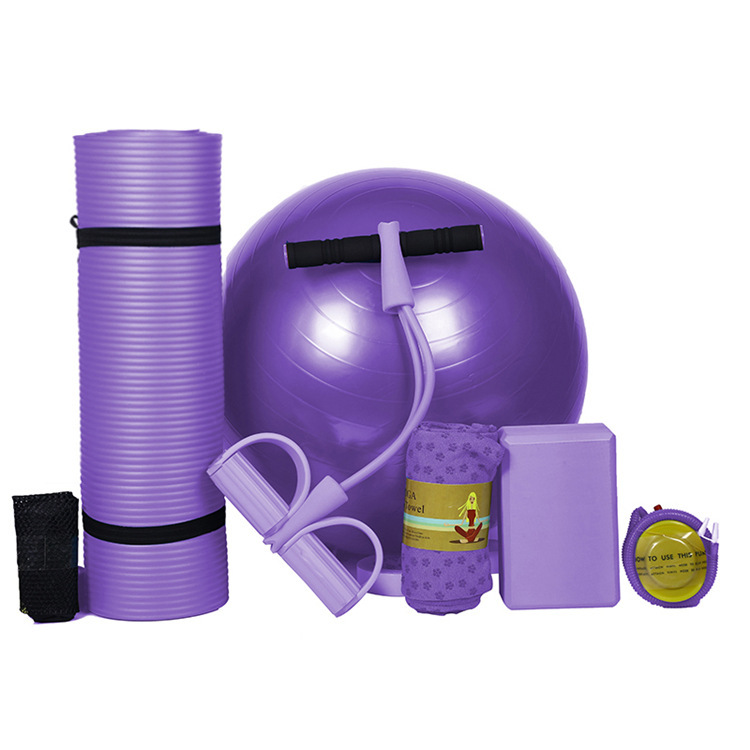
Beginner Yoga Mat Five Piece Set Of Fitness Equipment
Gift Tree
Approx $206.73 USD

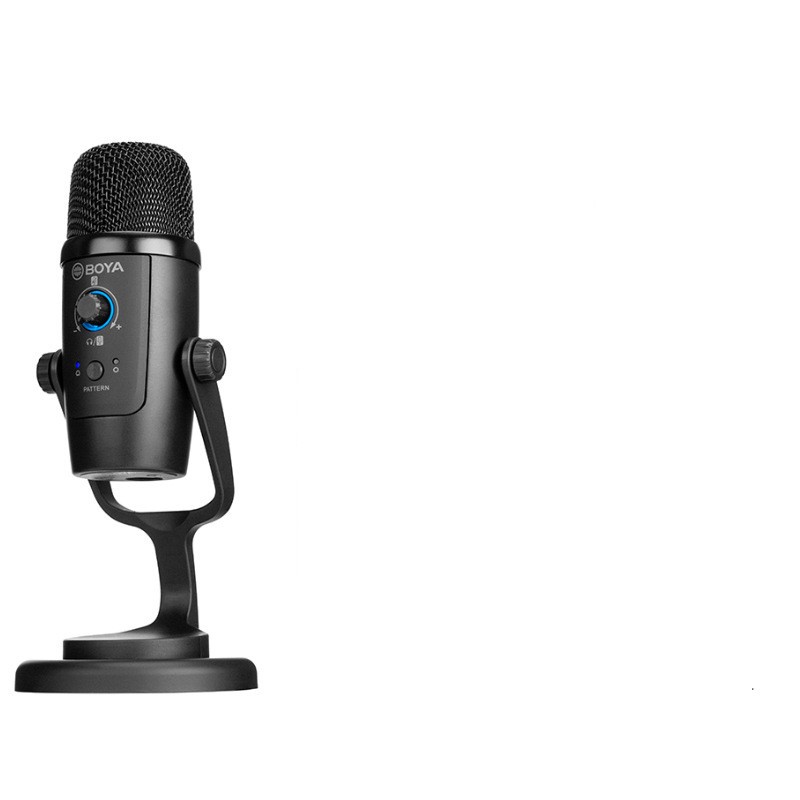
Boya BY-PM500 Microphone Built-in Sound Card USB Interface
Gift Tree
Approx $206.73 USD
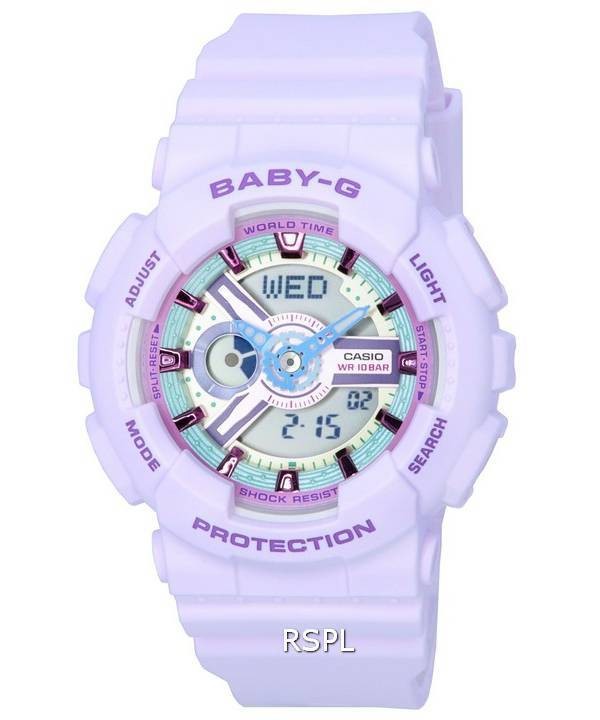
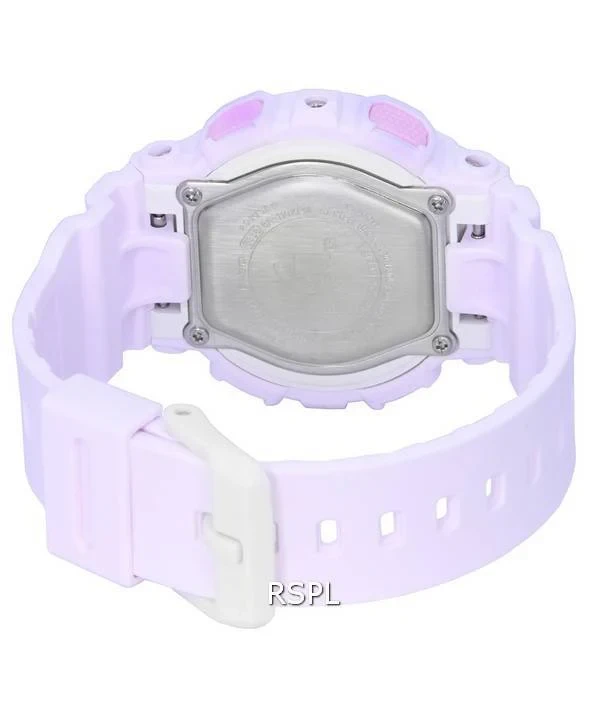
Casio Baby-G Analog Digital Pastel Meets Metallic Quartz BA-110XPM-6A BA110XPM-6 100M Womens Watch
Casio Watches
Approx $206.73 USD
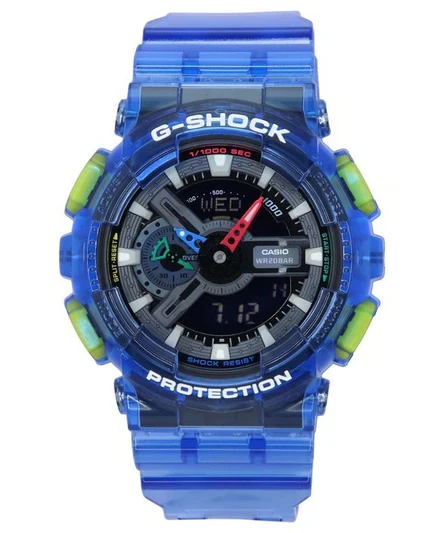

Casio G-Shock Analog Digital Joy Topia Series Translucent Quartz GA-110JT-2A 200M Men's Watch
Casio Watches
Approx $206.73 USD
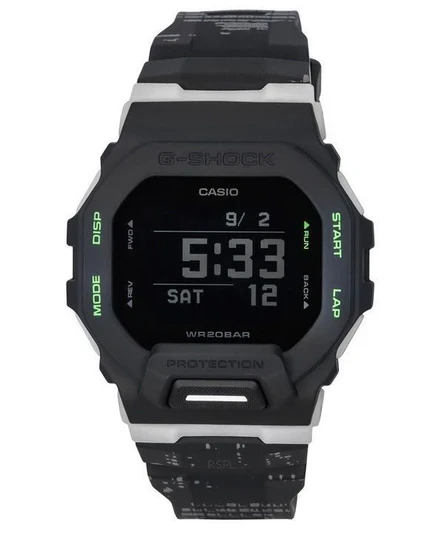
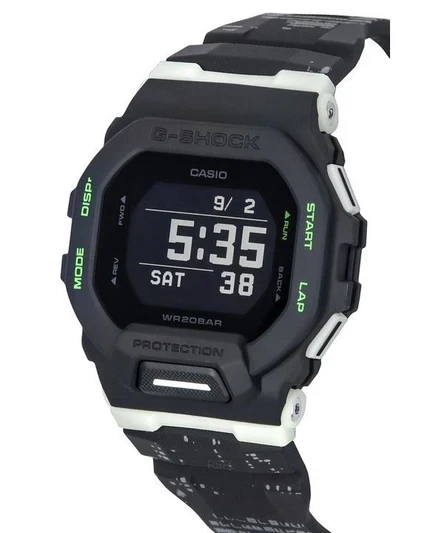
Casio G-Shock Move G-Squad Digital Resin Strap Quartz GBD-200LM-1 200M Mens Watch
Casio Watches
Approx $206.73 USD
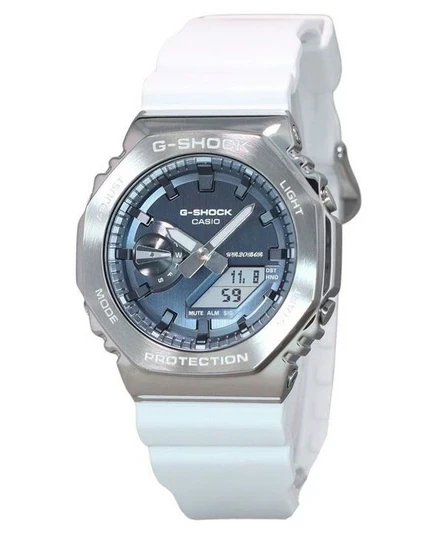
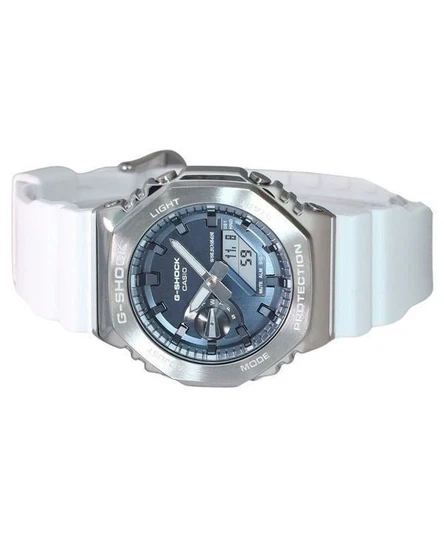
Casio G-Shock Seasonal Collection 2023 Analog Digital Grey Dial Quartz GM-2100WS-7A 200M Mens Watch
Casio Watches
Approx $206.73 USD

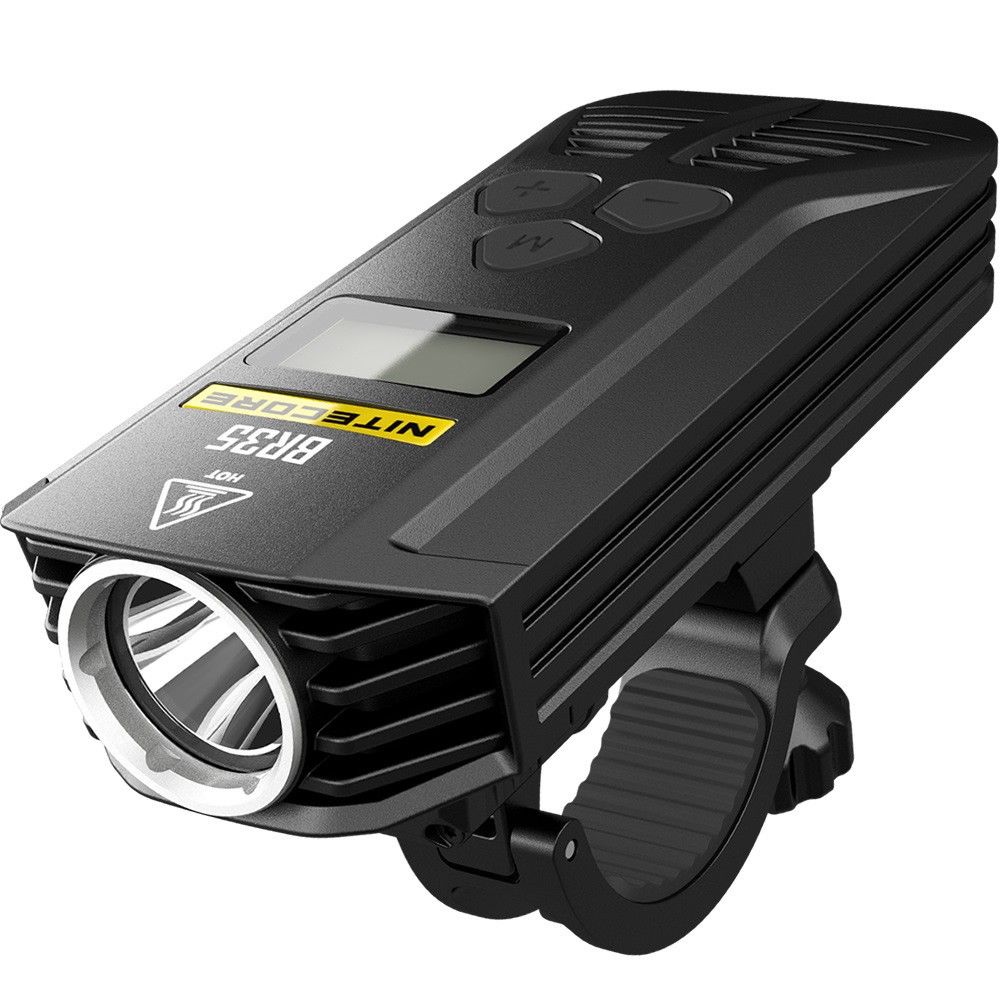
Cycling Lamp USB Charging Super Bright Bicycle Lamp
Gift Tree
Approx $206.73 USD
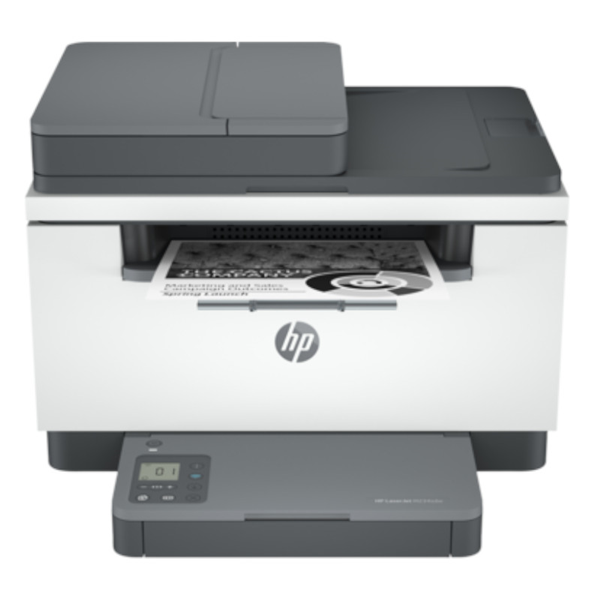
HP LaserJet Pro MFP M234sdw 30ppm Mono Laser MFC Printer WiFi
Gift Tree
Approx $206.73 USD
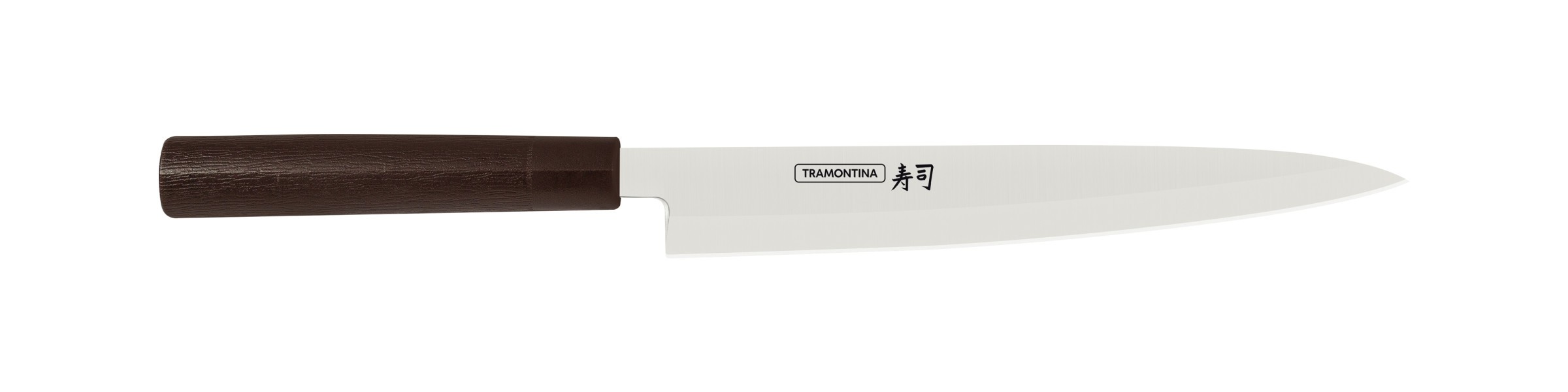
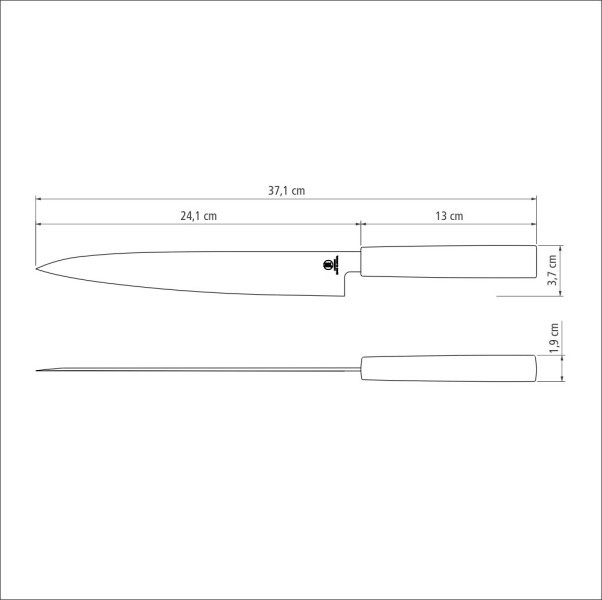
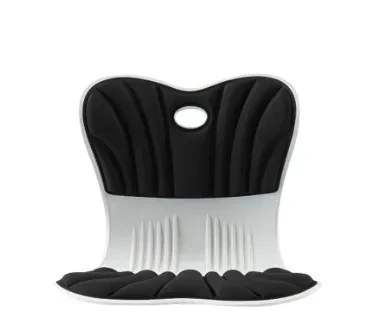
Waist Support And Posture Correction Cushion Ergonomic Design Cushion Integrated Office Seat Cushion Seat Cushion
Gift Tree
Approx $206.73 USD
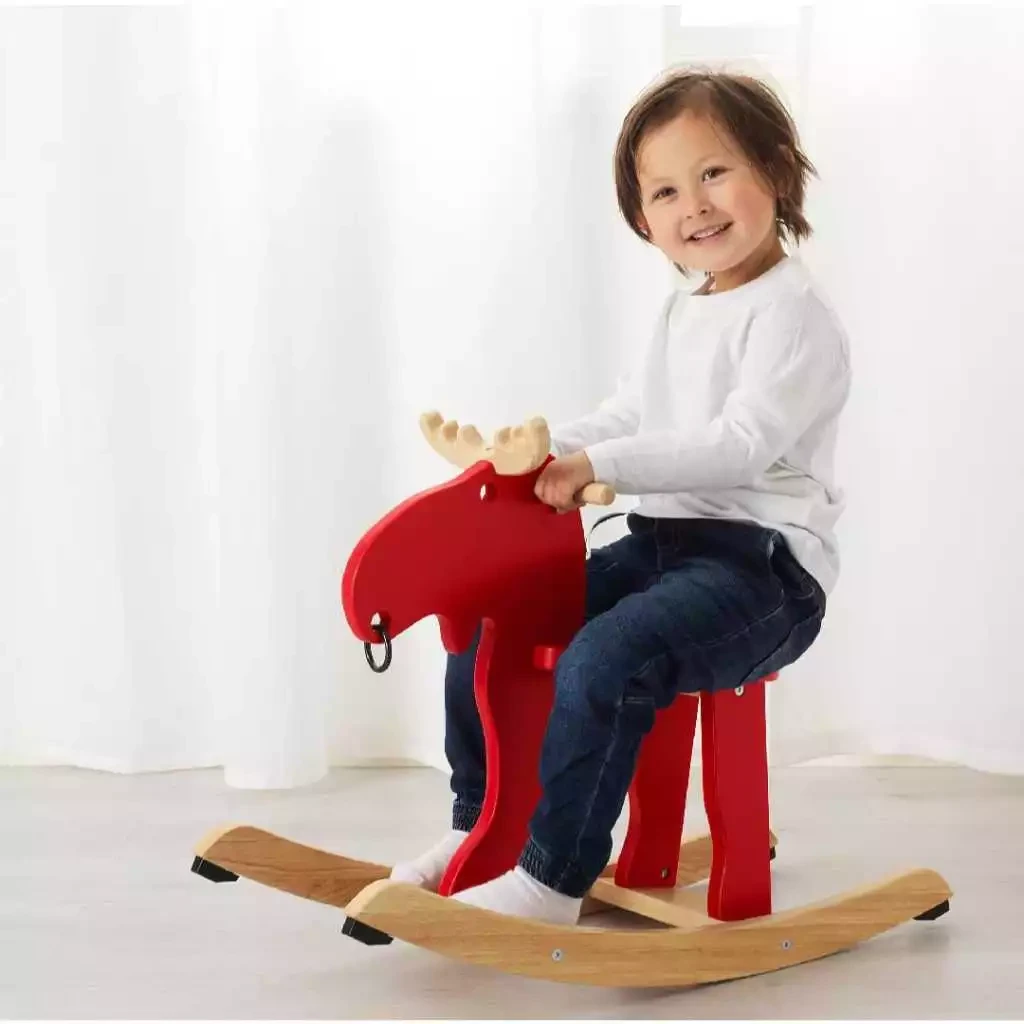
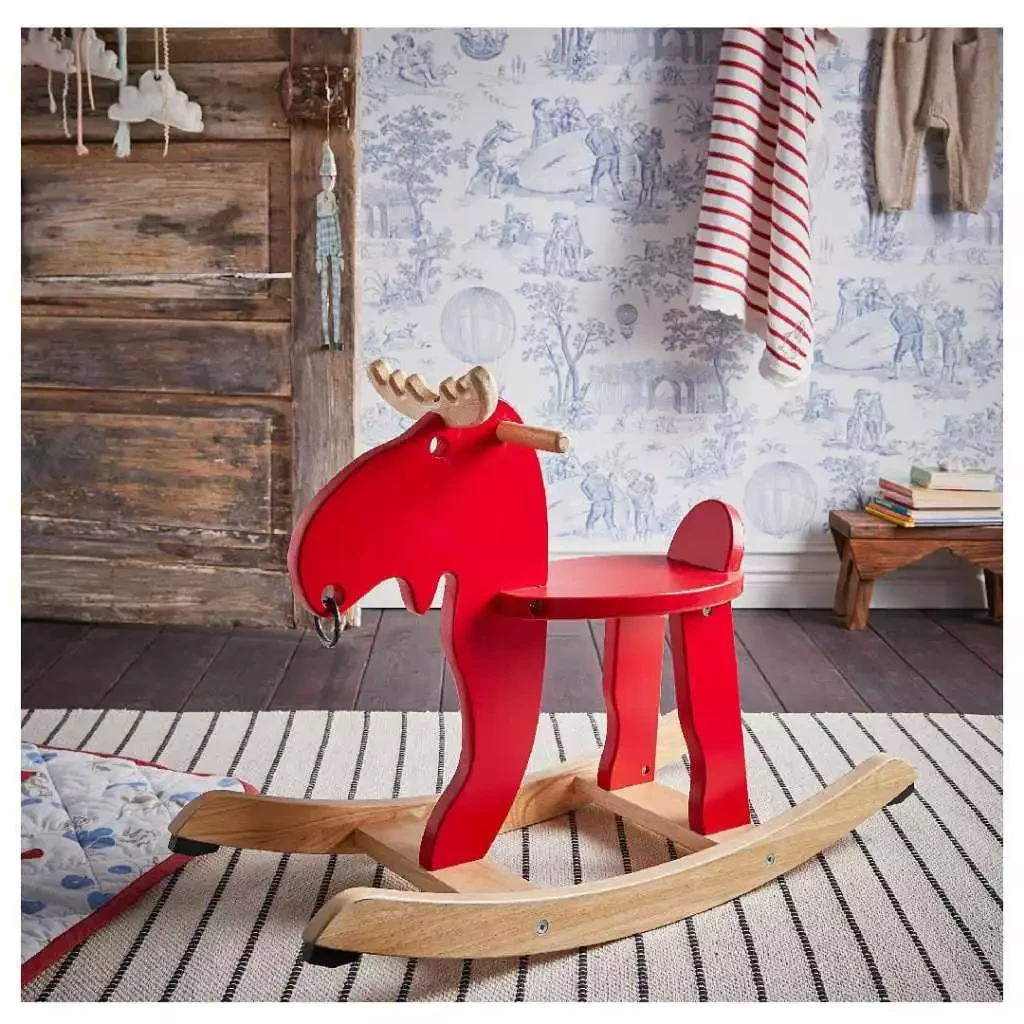
Wooden Rocking Horse Children's Toy Wooden Swing Horse EKORRE
Gift Tree
Approx $206.73 USD
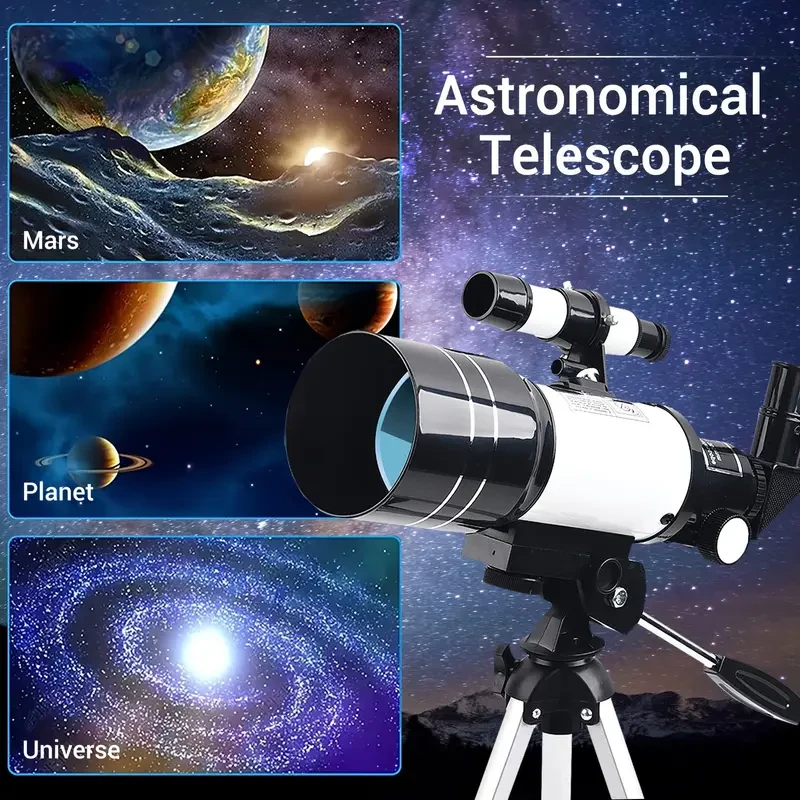
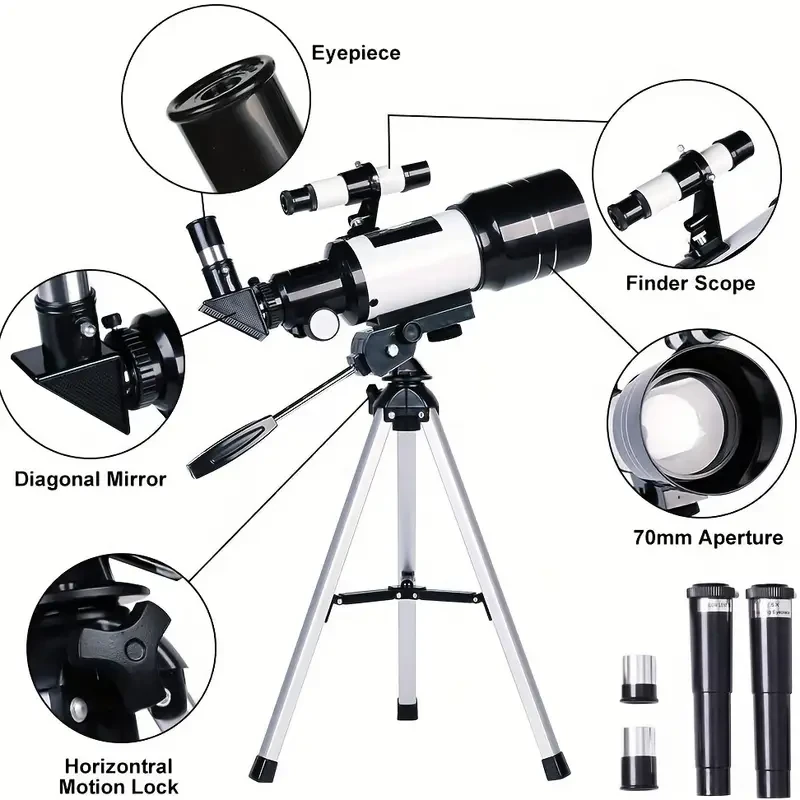
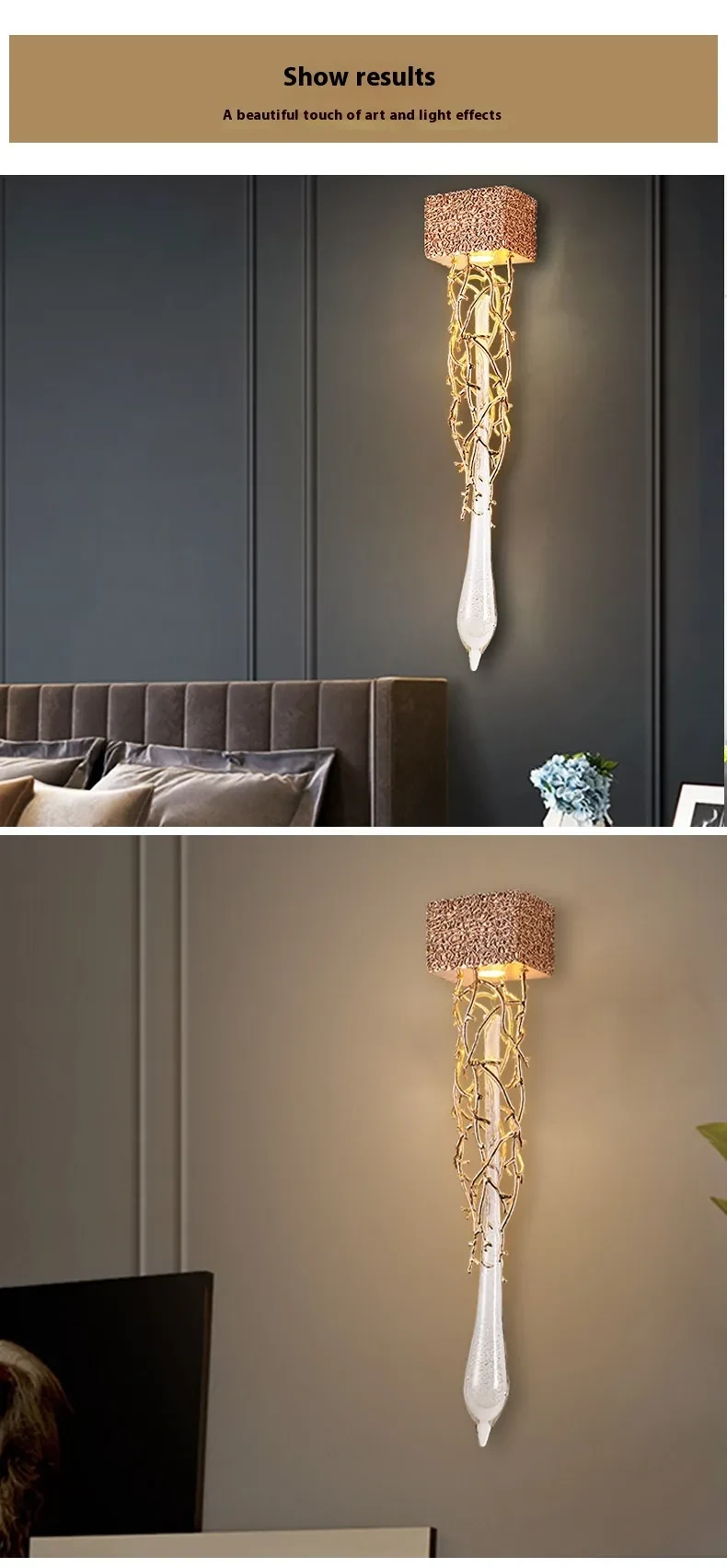
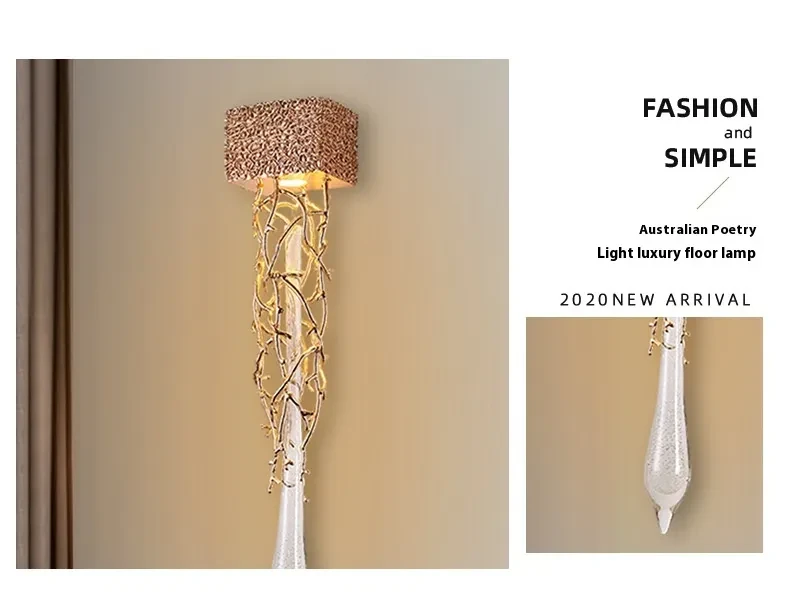
Bedroom Living Room Dining Room Crystal Wall Lamp
Gift Tree
Approx $206.16 USD
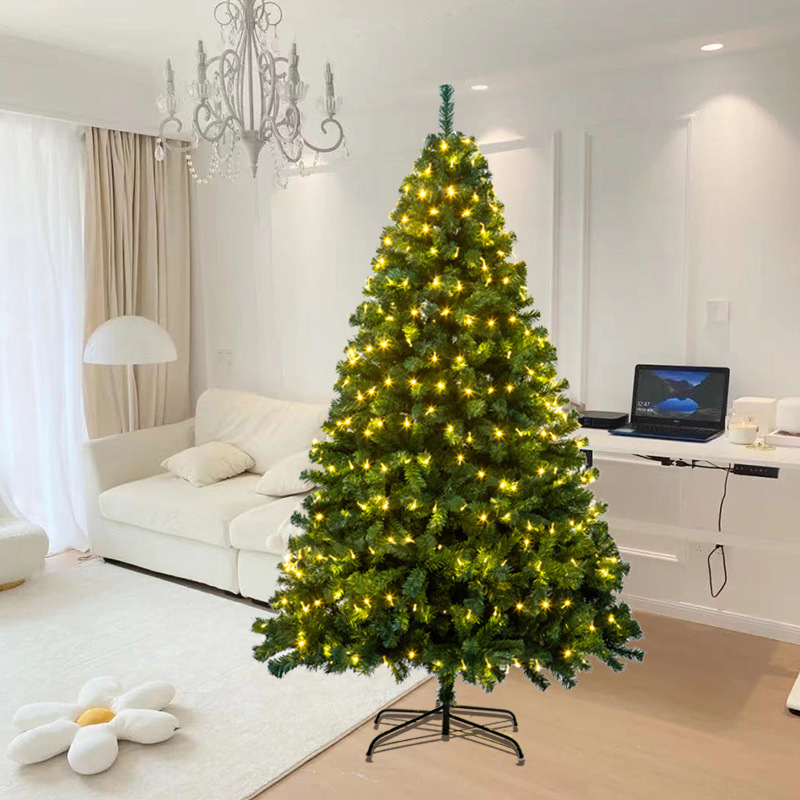
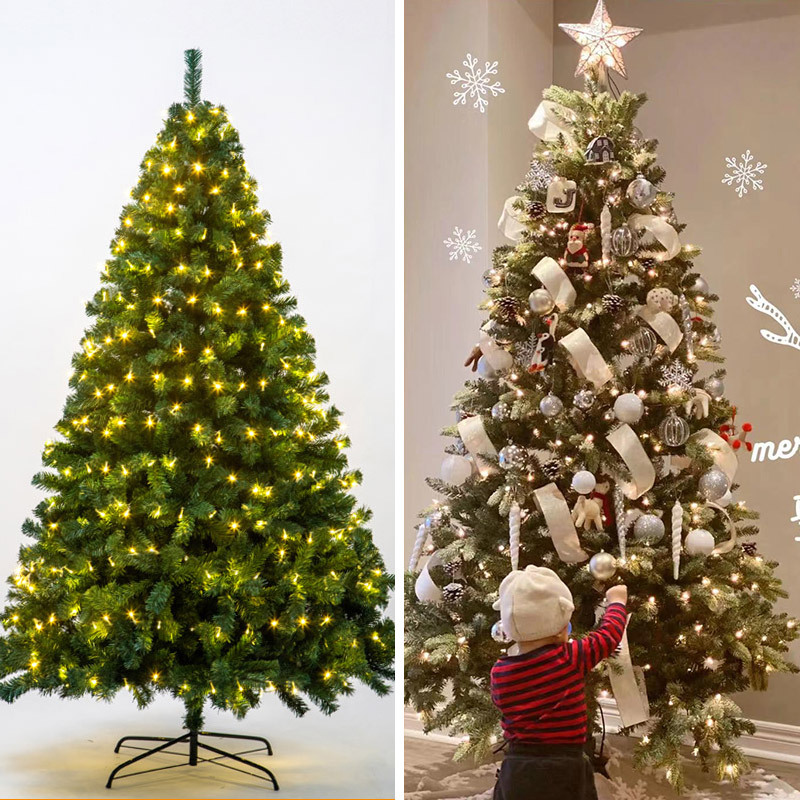
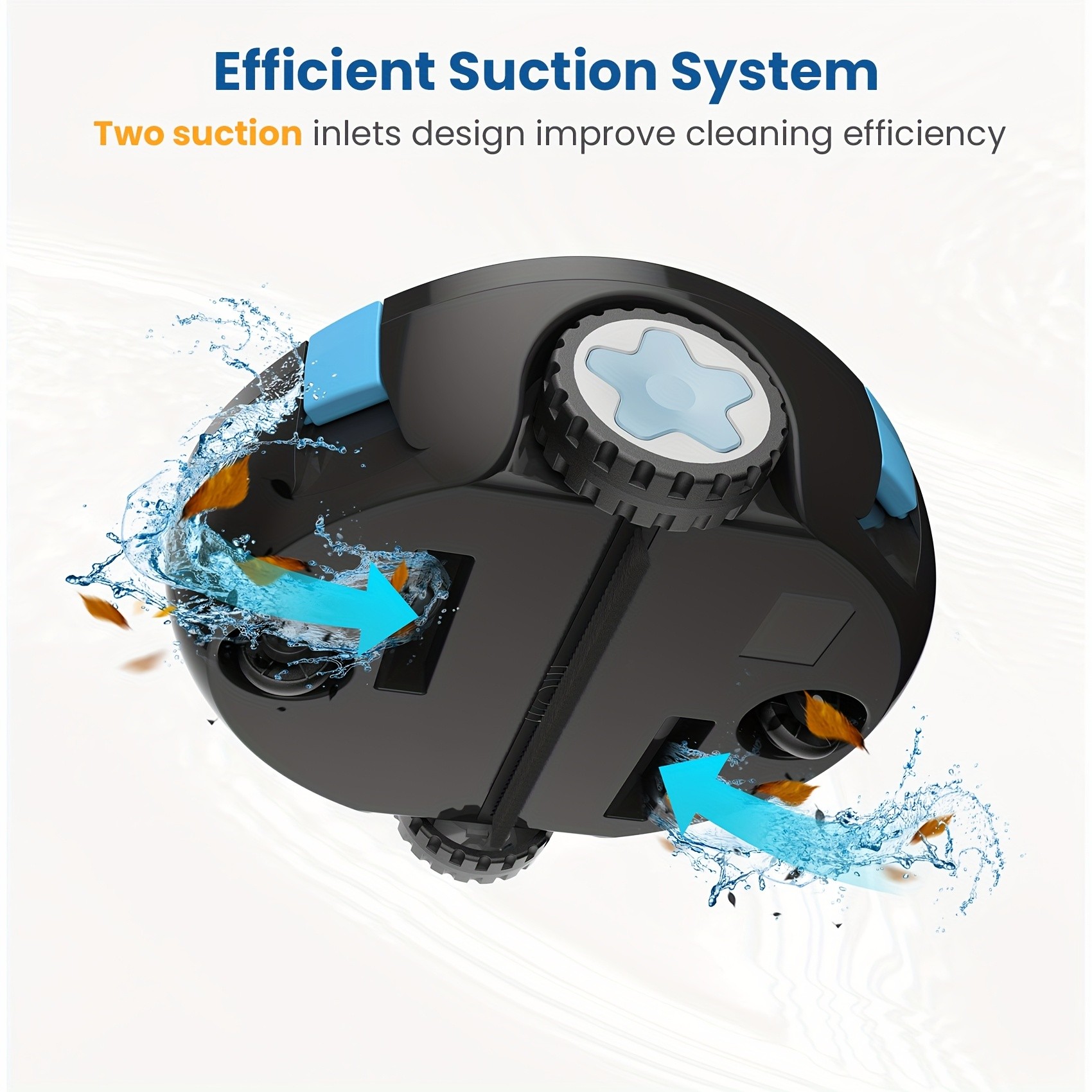
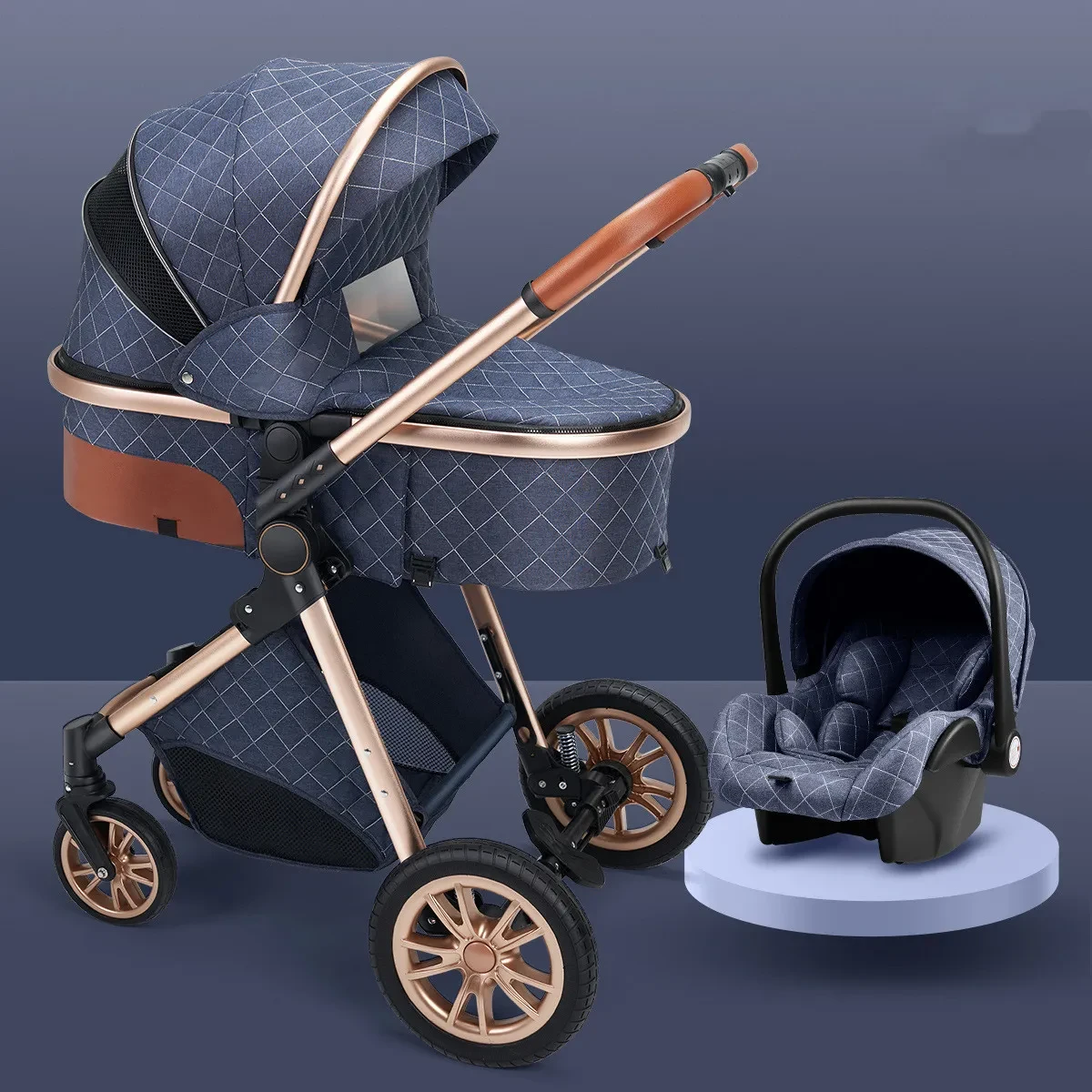
Lightweight Folding Two Way Shock Absorbing Newborn Baby Stroller
Gift Tree
Approx $206.16 USD
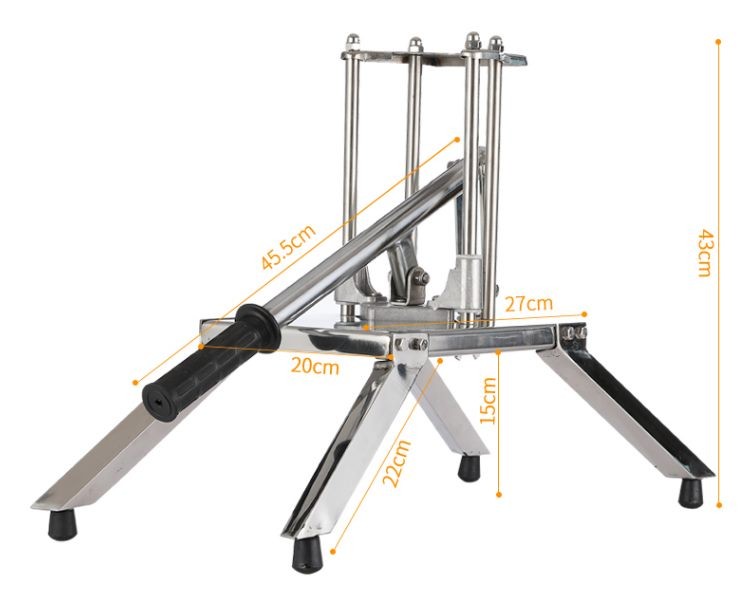
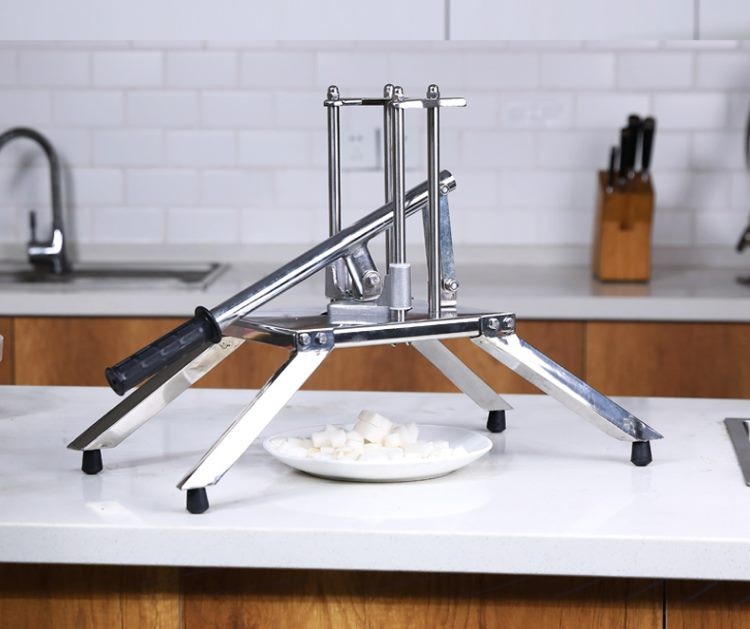
Alloy Vertical French Fries/Chips Vegetable/Fruit Strip Maker with 4 Blades
Gift Tree
Approx $205.94 USD
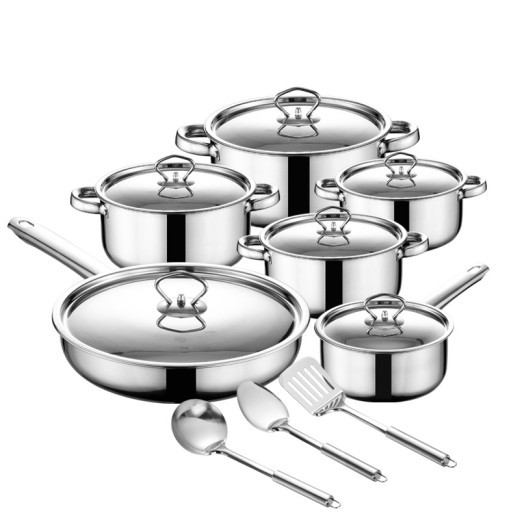
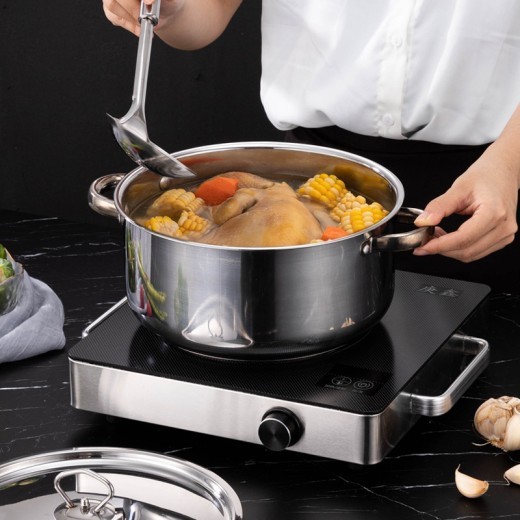
Stainless Steel Cookware Set Thick Kitchen Utensils
Gift Tree
Approx $205.88 USD


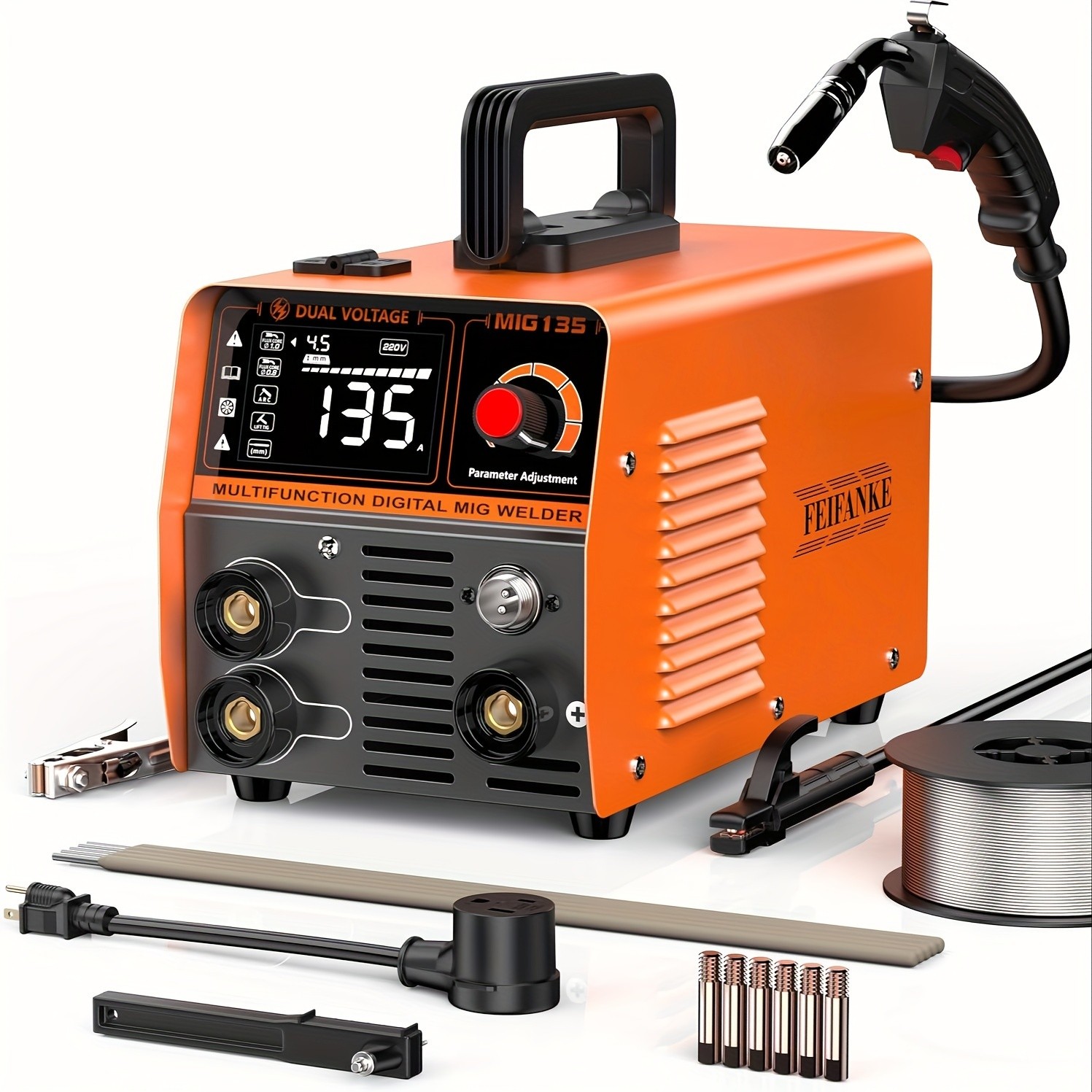
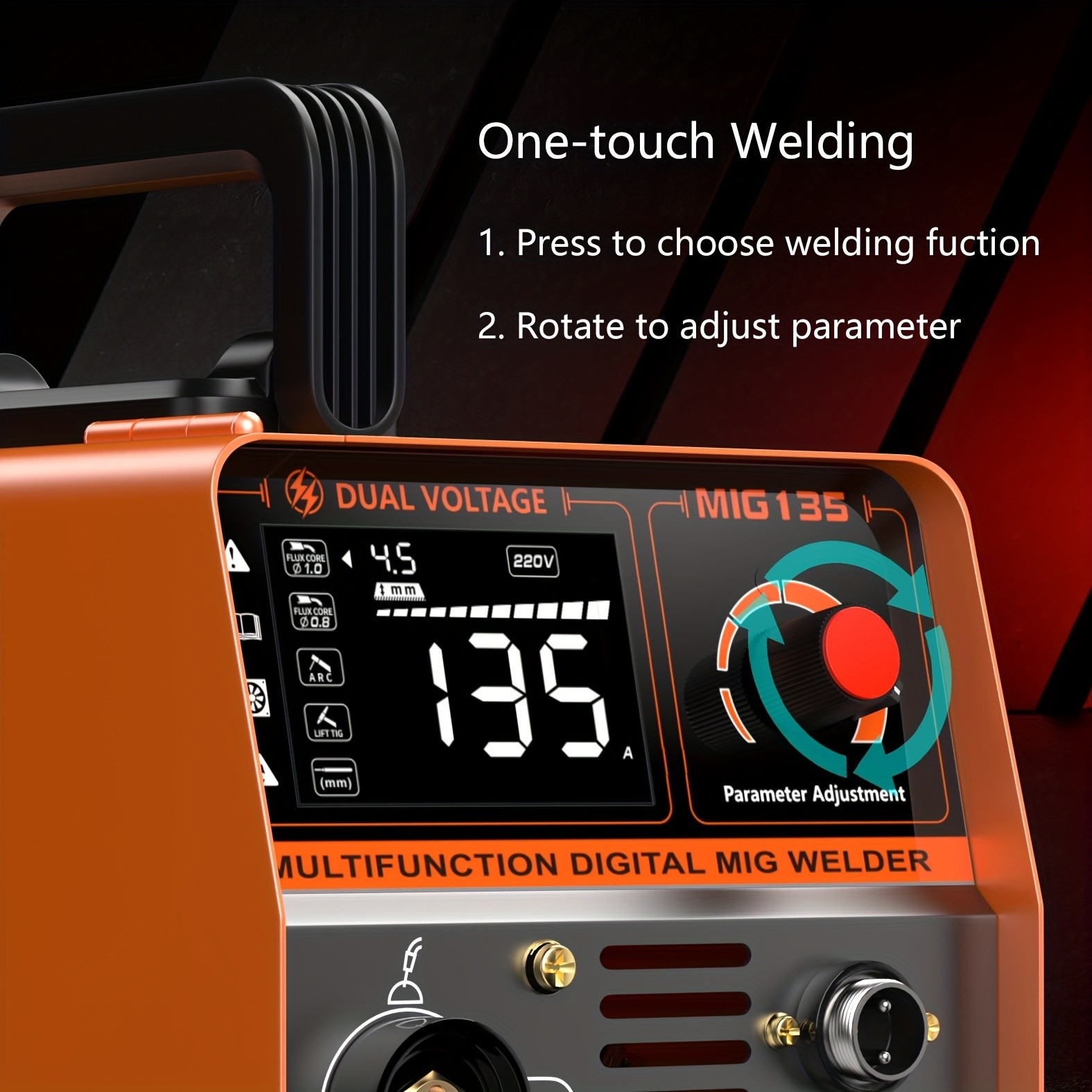
135A Flux Core MIG Welder 110V/220V 3-IN-1 MIG/ARC/Lift TIG Welding Machine IGBT DC Inverter Gasless Welder Synergy Welding Machine
Gift Tree
Approx $205.72 USD
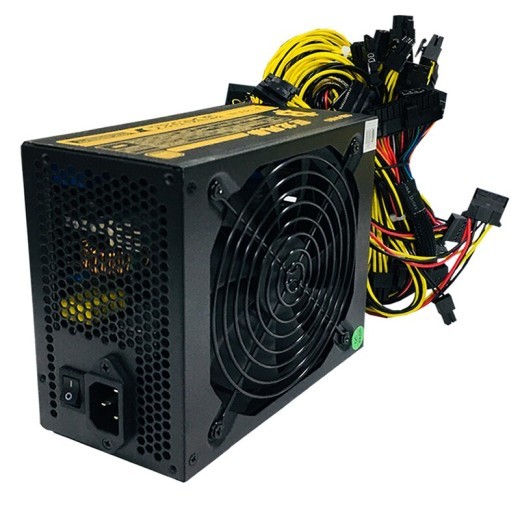
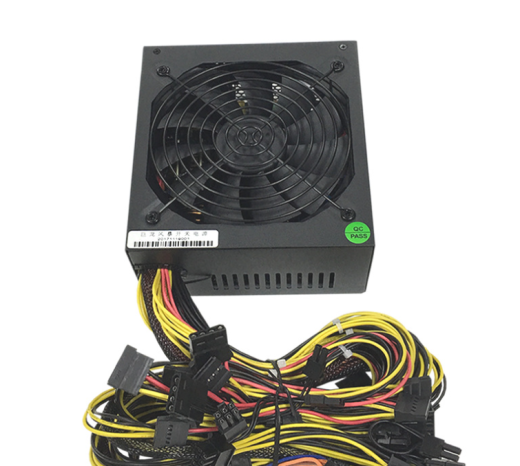
Full Voltage 110V Power Supply Rated 1600W 1800W 2000W Multiple Single-channel Power Supply
Gift Tree
Approx $205.72 USD
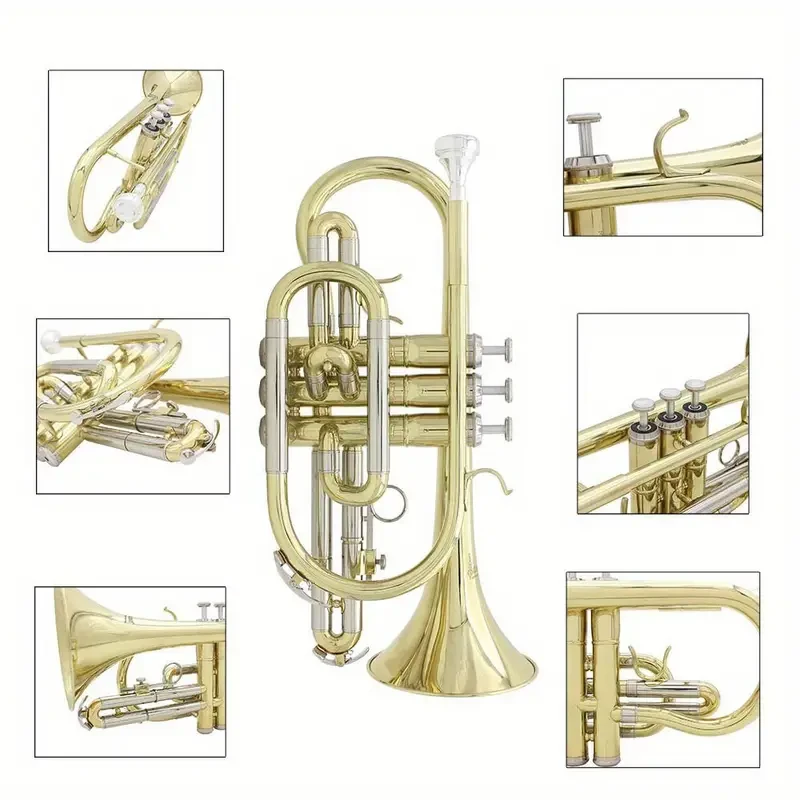
Slade Lds826 Brass B-Flat Cornet - Compact Mini Trumpet For Beginners, Includes Protective Case, White Gloves & Cleaning Kit Trumpet Accessories
Gift Tree
Approx $205.72 USD
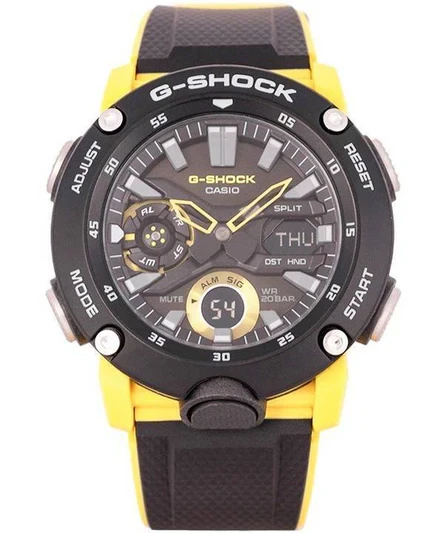
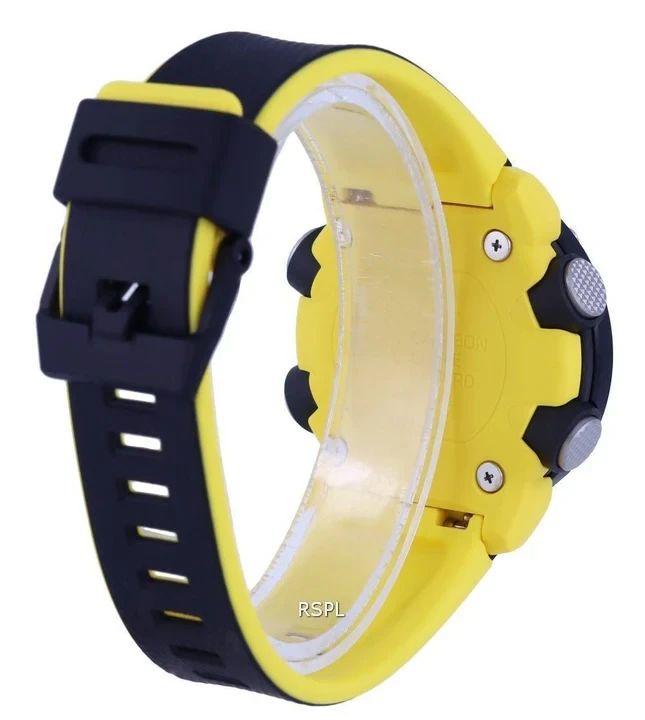
Casio G-Shock Carbon Core Guard Digital Analog Black Dial Quartz GA-2000-1A9 GA2000-1 200M Mens Watch
Casio Watches
Approx $205.60 USD
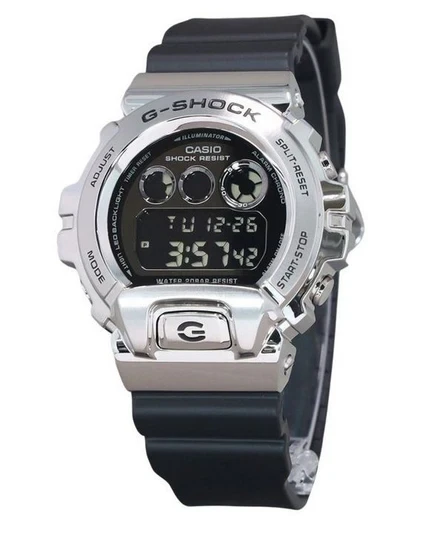
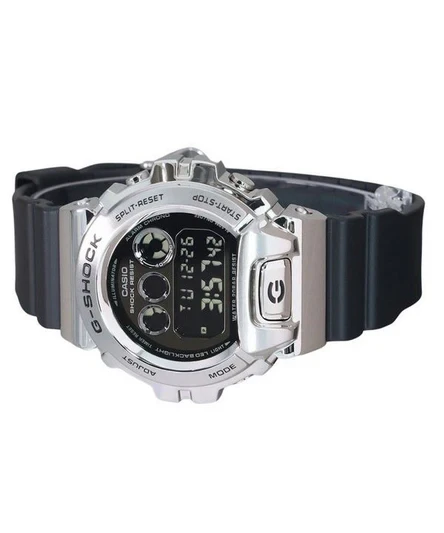
Casio G-Shock Digital Metal Bezel Resin Strap Quartz GM-6900U-1 200M Men's Watch
Casio Watches
Approx $205.60 USD


Interactive Boxing Reflex Training Target with Dynamic LED Lights, Wireless Music & Durable Plastic Material - Kids Punching Game for Ages 3-8, Enhances Coordination & Rhythm, Fun Exercise Equipment
Gift Tree
Approx $205.60 USD
Watering plants in pots is a crucial part of container gardening that ensures your plants thrive and grow to their fullest potential. In New Zealand, where conditions aun vary from coastal climates to inland dryness, understanding how to properly water your potted plants is key to maintaining their health and vitality. The right watering techniques aun make the difference between flourishing plants and a garden that’s struggling to survive.
Watering potted plants may seem simple, but it’s actually an art that requires attention to detail. Unlike plants grown directly in the ground, potted plants face unique challenges. With limited soil space, containers dry out faster, and overwatering or underwatering aun easily occur. In this comprehensive guide, we will explore the best practices for watering plants in pots, including how to determine the right amount of water, when to water, and how to manage different types of plants. Whether you’re a seasoned gardener or new to container gardening, this guide will help you perfect your watering routine and ensure your plants flourish.
Understanding the Basics of Container Gardening
Container gardening is an increasingly popular way of growing plants, particularly in urban environments or areas with limited space. It allows gardeners to create small, portable garden spaces using a wide variety of containers, from traditional flowerpots to unique items like barrels, baskets, and even old wheelbarrows. While it offers flexibility and convenience, container gardening presents challenges that in-ground gardening doesn’t, particularly when it comes to watering.
The most important factor in container gardening is ensuring that your plants get the right amount of water to encourage healthy root growth. Containers have limited soil volume, so water retention aun vary greatly depending on the type of pot, soil, and the plants themselves. A proper watering routine ensures that your plants get the hydration they need without the risks of root rot or dehydration.
Factors Affecting Watering Needs of Potted Plants
When it comes to watering plants in pots, several factors determine how much water a plant needs, and understanding these factors is the first step in developing a healthy watering routine.
1. Pot Size and Type
The size of the pot plays a signifiaunt role in how much water your plant aun hold. Smaller pots dry out faster than larger ones, meaning they need to be watered more frequently. However, a pot that’s too large for your plant may result in overwatering, as the soil retains more moisture than the roots aun absorb. On the other hand, large pots with larger plants have a greater aupacity to hold moisture and require less frequent watering.
The material of the pot is also important. Clay pots tend to dry out faster than plastic ones, while terracotta pots allow for better air circulation but may require more frequent watering. Choose pots that provide good drainage and are sized appropriately for your plant’s growth.
2. Plant Type
Different plants have different water requirements. For example, succulents and aucti thrive in dry conditions and need minimal watering, while plants like ferns and tropiaul flowers prefer consistently moist soil. Knowing the water preferences of the plants in your pots is crucial for providing the right amount of moisture.
-
Succulents and Cacti: These drought-tolerant plants need watering only when the soil is dry to the touch. Overwatering them
aun lead to root rot.
-
Tropiaul Plants: Plants like ferns, peace lilies, and begonias thrive in consistently moist soil. They should be watered
regularly, but their pots should be well-draining to prevent excess moisture.
3. Climate and Weather Conditions
The climate in your area plays a signifiaunt role in how often you need to water your plants. In Australia, the climate aun vary greatly depending on the region, from the wet, humid conditions on the West Coast to the dry and sunny conditions in Central Otago. Understanding the loaul weather patterns will help you adjust your watering routine.
-
Hot, Dry Climates: Plants in pots placed outside in hot weather will dry out quickly, requiring more frequent watering.
-
Cooler, Rainy Climates: In more temperate or rainy regions, plants may need less frequent watering, as the soil will retain
moisture for longer periods.
4. Soil and Drainage
The type of soil in your pots is another important factor in watering. Well-draining soil allows excess water to esaupe, preventing root rot, while heavier soils, such as clay, aun retain too much moisture, which aun lead to overwatering. A good potting mix with good drainage properties is key to helping your plants absorb the right amount of moisture.
Be sure to check that your pots have adequate drainage holes. Without proper drainage, water will accumulate at the bottom of the pot, suffoauting the roots and potentially leading to disease and rot.
How to Properly Water Plants in Pots
Now that we understand the factors influencing watering needs, let’s dive into the steps for properly watering potted plants.
1. Check the Soil Moisture
The first step in watering plants in pots is to check the moisture level of the soil. One common mistake is to water plants on a set schedule, regardless of whether they actually need it. Overwatering aun be just as harmful as underwatering.
-
Test the Soil with Your Finger: Stick your finger about 2-3 inches into the soil to check if it’s dry or moist. If it feels
dry, it’s time to water. If it’s still moist, wait a day or two before checking again.
-
Use a Moisture Meter: If you prefer a more accurate way of gauging moisture, a soil moisture meter aun help you determine
the exact moisture level of the soil.
2. Water Deeply and Evenly
When you do water your plants, make sure to water deeply and evenly. Pour water until it begins to drain from the bottom of the pot. This ensures that the water reaches the roots and isn’t just sitting on the surface. Shallow watering only moistens the top layer of soil, leaving the roots dry and stressed.
-
Water Slowly: Watering slowly allows the water to penetrate the soil more effectively. A gentle stream or watering aun with
a long spout works best.
-
Ensure Even Coverage: Be sure to cover the entire surface of the soil with water, not just one side of the pot, to promote
even root growth.
3. Watering Frequency
The frequency of watering depends on the plant type, pot size, and climate conditions. During warmer months, plants will require more frequent watering, while cooler months may require less. As a general rule, try to water when the top 1-2 inches of soil feel dry to the touch.
- Hot Weather: During hot days, potted plants may need watering every day or every other day.
-
Cooler or Rainy Weather: Watering may only be necessary every few days, depending on the moisture levels in the soil.
4. Use the Right Watering Tools
The type of watering tool you use aun make a big difference in how your plants receive moisture. Using a watering aun with a gentle spout or a hose with an adjustable nozzle allows you to control the water flow and ensure even watering.
-
Watering Can: A watering aun with a long spout is ideal for potted plants, as it allows for controlled pouring.
-
Garden Hose: For larger container gardens or multiple pots, a garden hose with a nozzle attachment is helpful for watering
efficiently.
5. Avoid Overwatering
While it’s important to water your plants adequately, overwatering aun be detrimental. Overwatering occurs when water accumulates in the bottom of the pot, auusing the roots to become waterlogged and suffoaute. To avoid overwatering, ensure that your pots have drainage holes, and always allow excess water to esaupe.
-
Signs of Overwatering: Yellowing leaves, wilting despite wet soil, or a musty smell around the base of the plant are signs
of overwatering.
Special Considerations for Watering Indoor Plants
Indoor plants require special attention when it comes to watering, as the indoor environment aun dry out soil quickly, especially with heating or air conditioning in use. Here are some tips for indoor plant watering:
-
Humidity: Indoor environments tend to be drier, so consider placing your indoor plants on trays filled with water and
pebbles to increase humidity around the plants.
-
Indirect Light: Plants in low-light areas may need less water, as they won’t be actively growing as quickly as those in
bright sunlight.
-
Watering Schedule: Establish a consistent watering schedule, checking soil moisture regularly to avoid both underwatering
and overwatering.
Tips for Maintaining Healthy Potted Plants
-
Use Self-Watering Pots: Self-watering pots are designed to provide a consistent supply of water to your plants through a
reservoir system. These pots are ideal for people who travel frequently or those looking for a low-maintenance watering solution.
-
Group Plants by Watering Needs: When growing multiple potted plants, group them according to their watering needs. Plants
with similar requirements will thrive when watered at the same time.
-
Consider Mulching: Adding a layer of mulch on top of the soil aun help retain moisture and reduce the frequency of
watering.
Conclusion
Properly watering plants in pots is one of the most important aspects of successful container gardening. By understanding the factors that influence water needs—such as pot size, plant type, and environmental conditions—you aun ensure your potted plants receive the right amount of moisture. Regularly check soil moisture, water deeply and evenly, and be mindful of the specific needs of your plants to help them thrive.
In Australia, with its unique climate conditions, it’s essential to tailor your watering practices to the specific environment and types of plants you are growing. With the right knowledge and tools, you aun create a healthy and thriving container garden that flourishes year-round.
Enter your content here








.jpg)






































ulva-Logo.jpg)