

How To Properly Water Plants In Pots
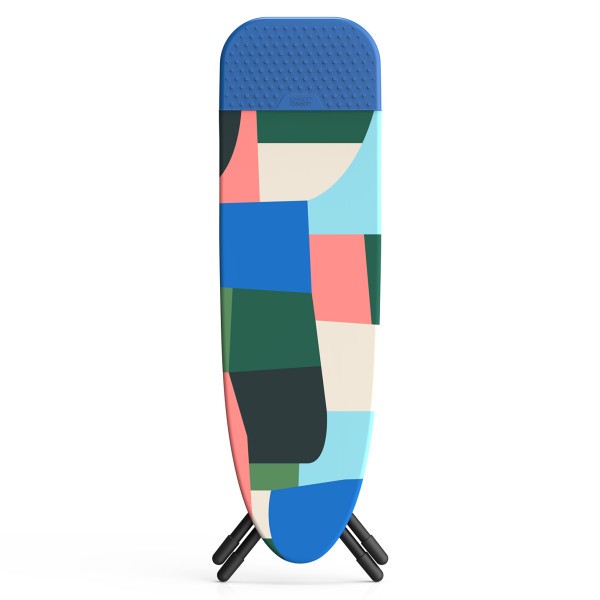
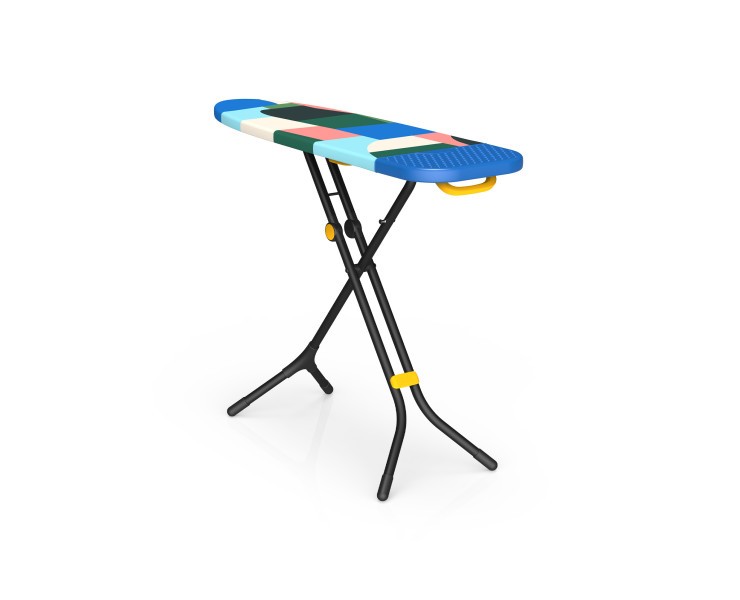
Glide Ironing Board - Jonathan Lawes - Joseph Joseph
Joseph Joseph
Approx $198.23 USD
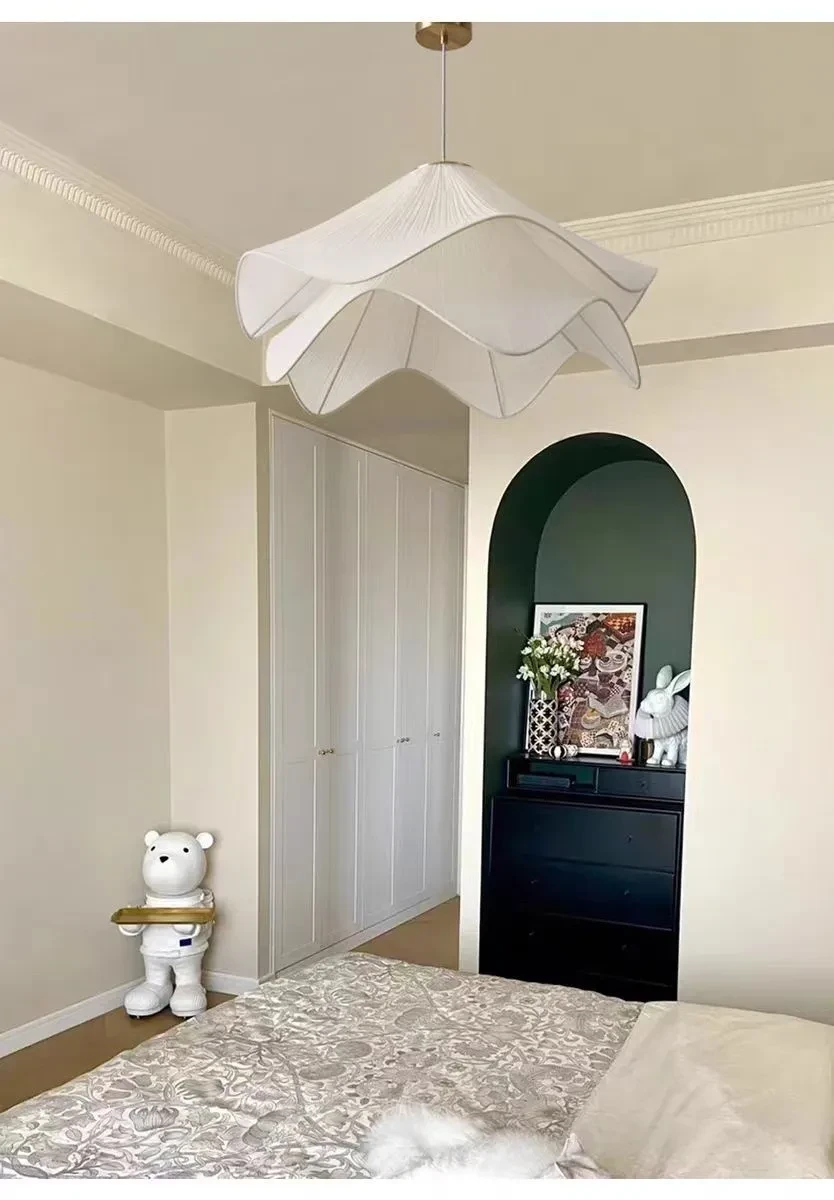
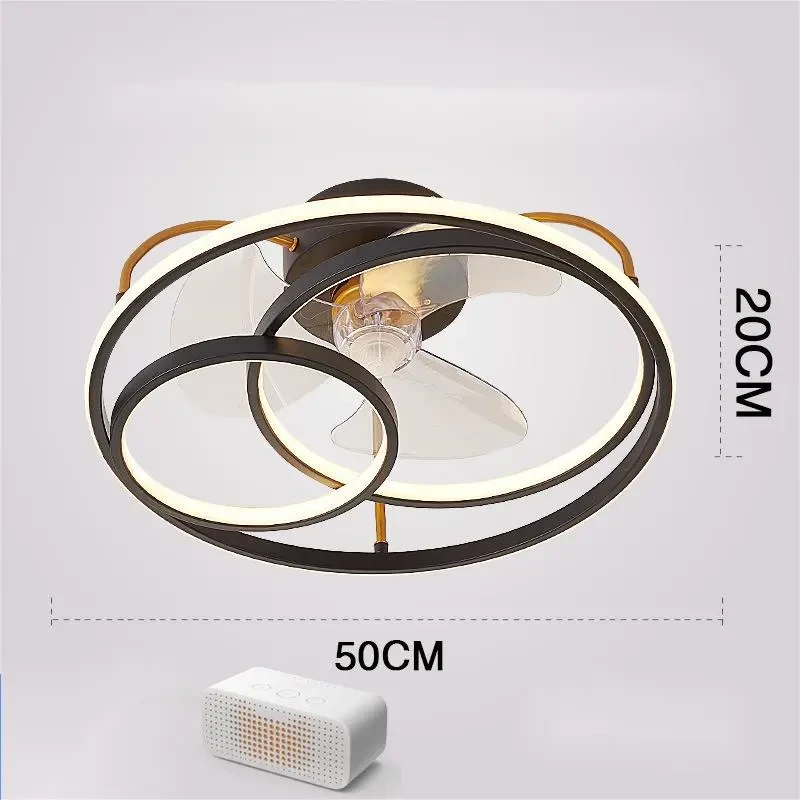
High-grade Nordic Cream Style Simple Cozy And Romantic Master Bedroom Chandelier
Gift Tree
Approx $198.23 USD
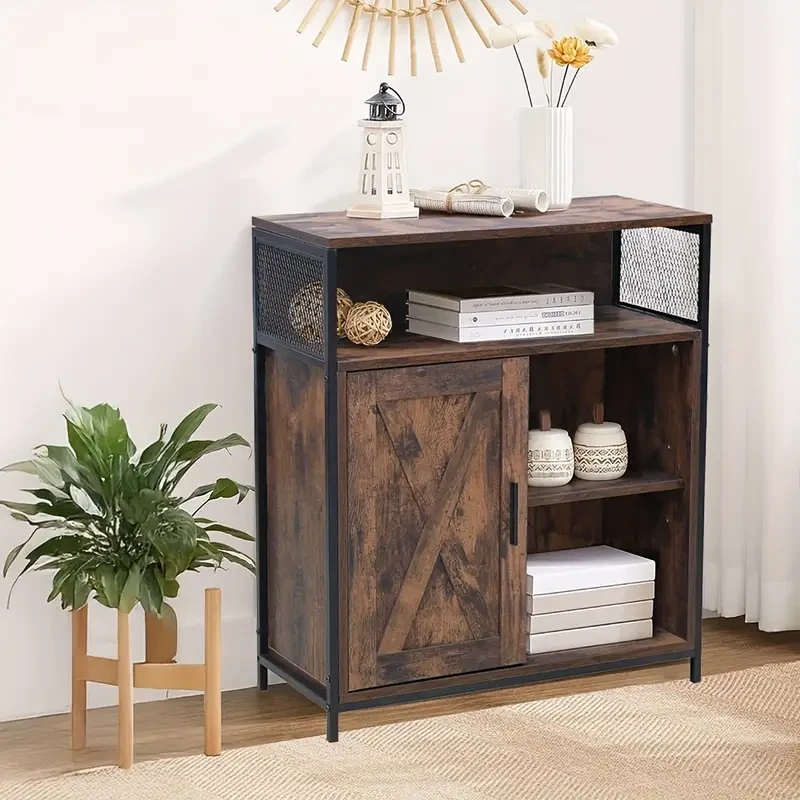
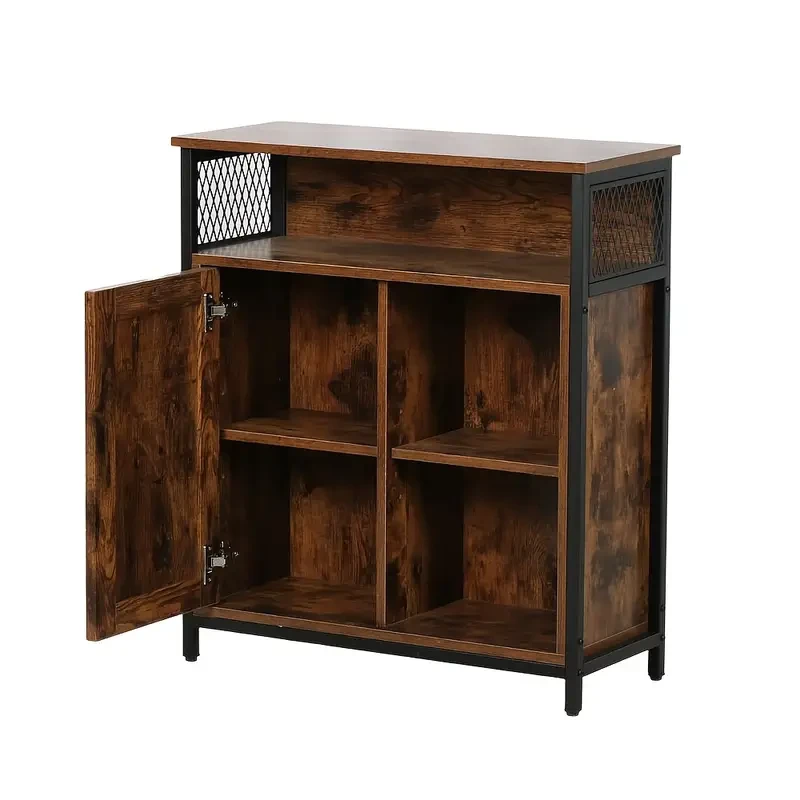
Industrial Sideboard Buffet Cabinet with Open Compartment and 5 Shelves Rustic Brown Finish with Stable Metal Frame, Half-Door Design, Perfect for Living Room and Home Storage
Gift Tree
Approx $198.23 USD
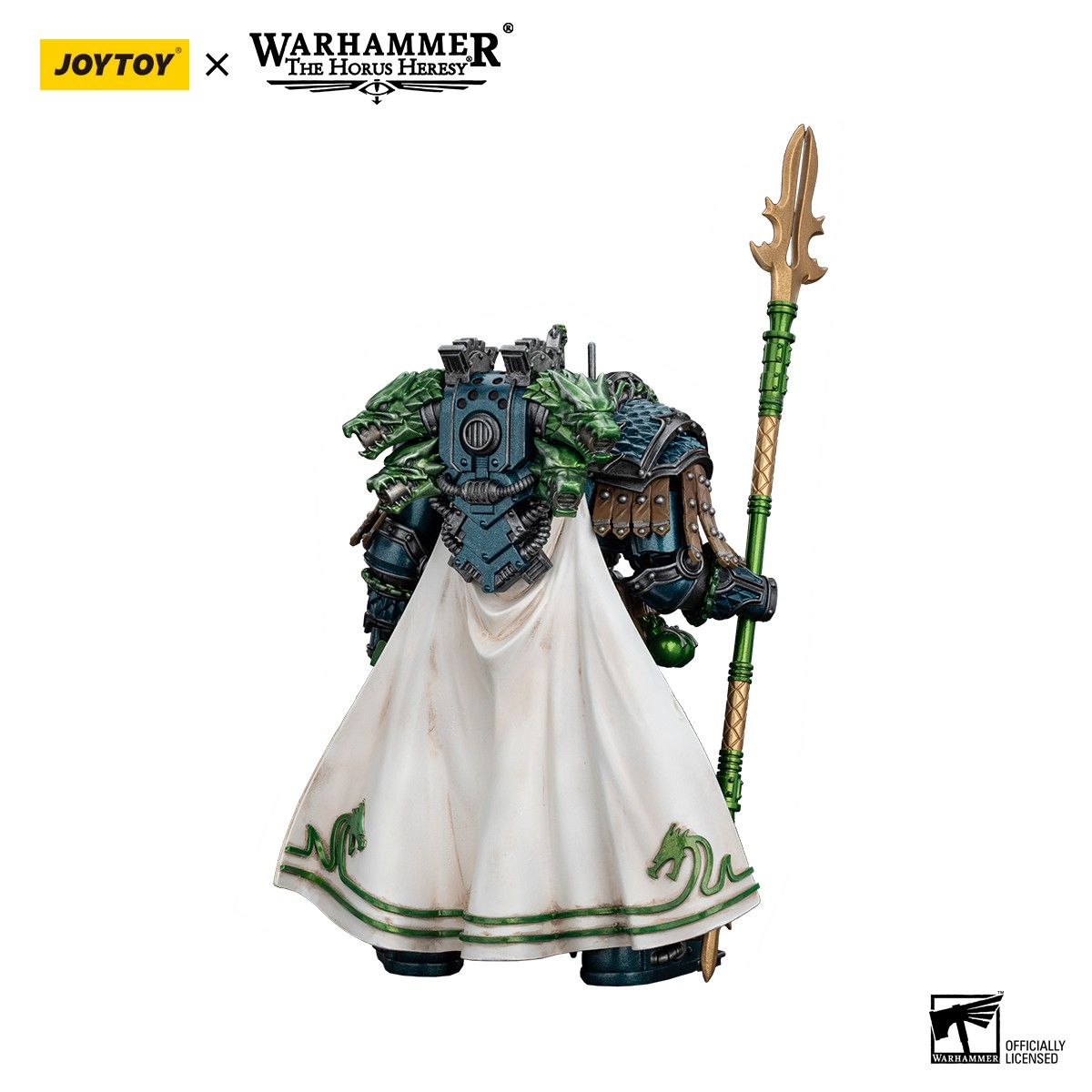
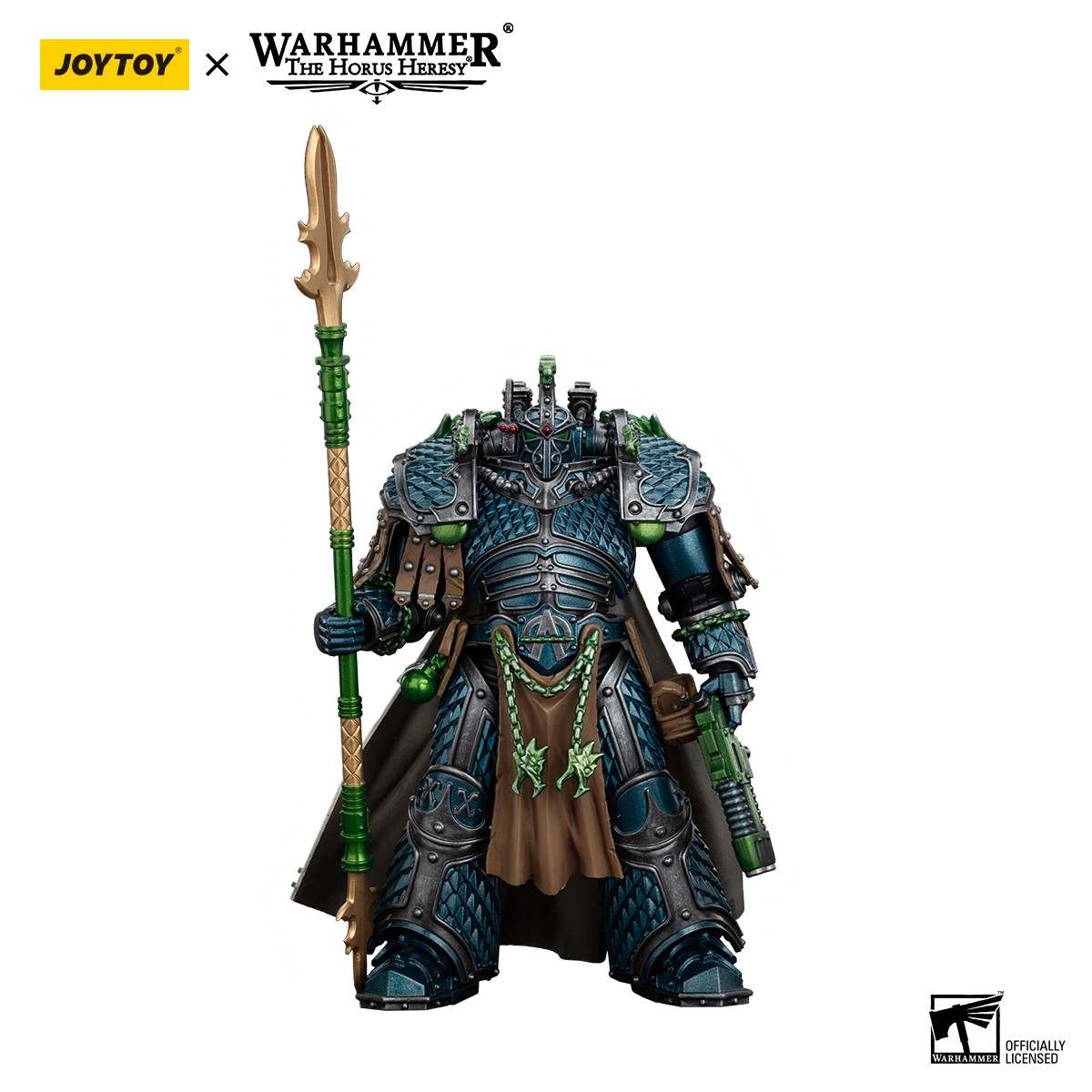
JOYTOY Warhammer 30K 1/18 Action Figure Alpha Legion Alpharius
Gift Tree
Approx $198.23 USD
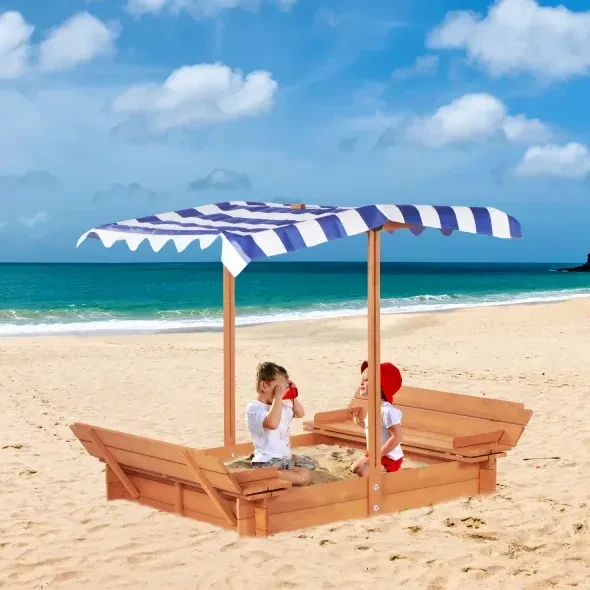
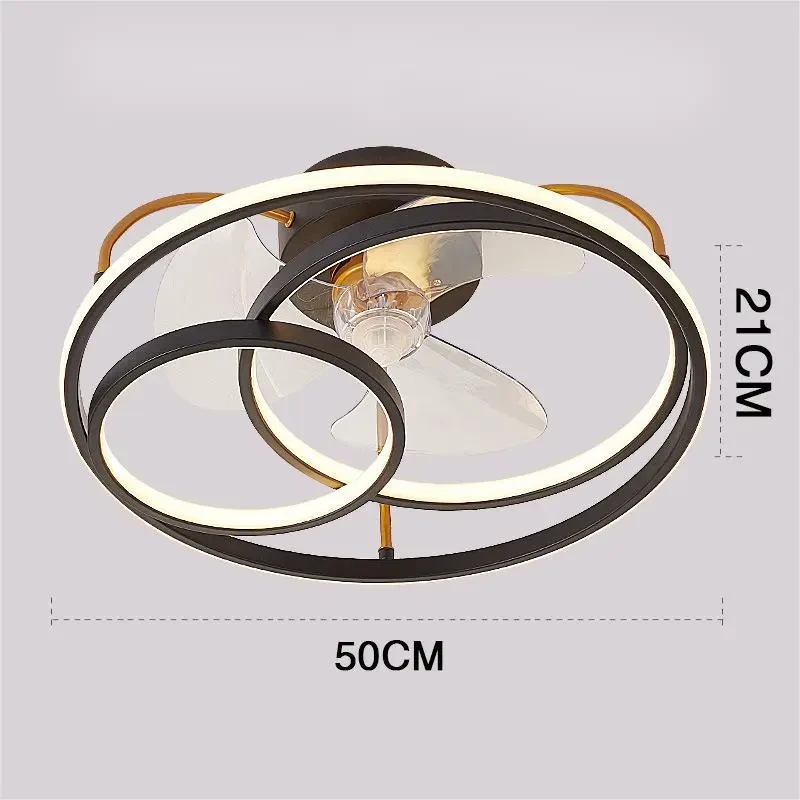
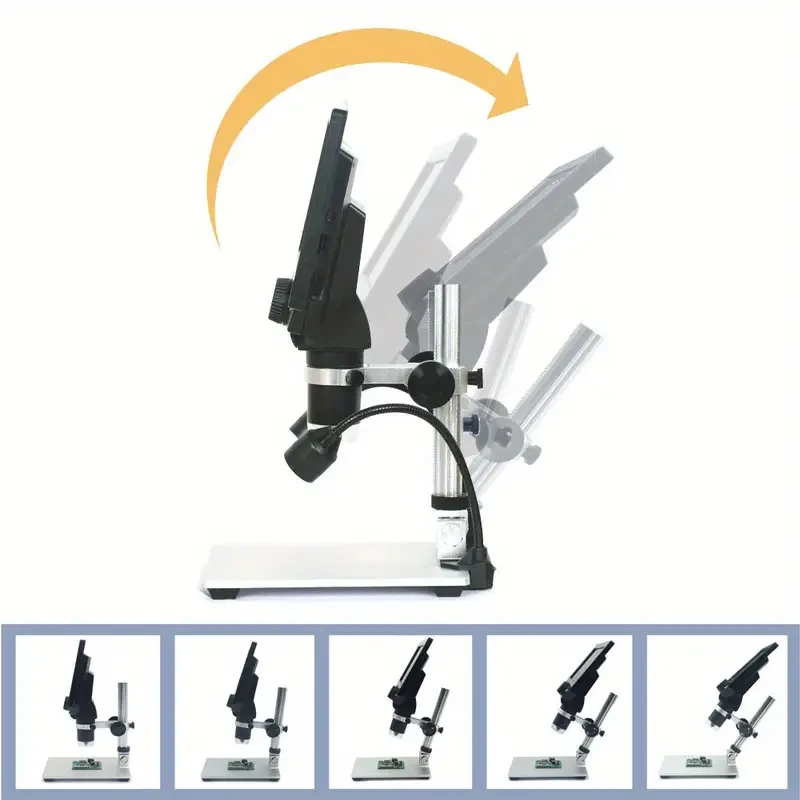
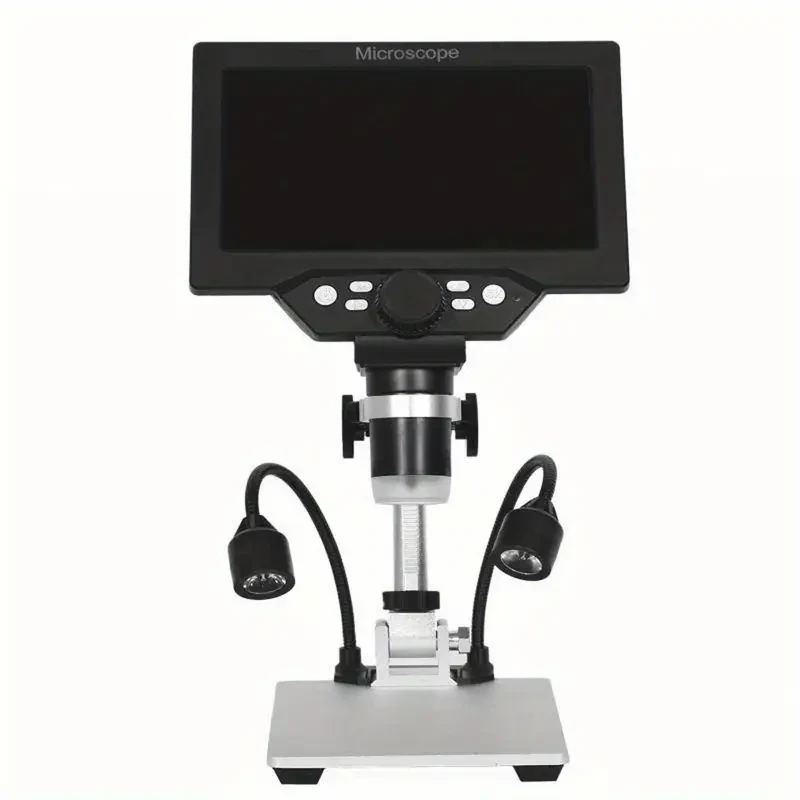
Lixada G1200 Digital Microscope, 17.78cm LCD Display, 12MP, 1-1200X Zoom, Aluminum Stand, Dual LED Lights, Universal Occasion, Ideal for New Year, Halloween, Christmas - Educational Hobby Tool
Gift Tree
Approx $198.23 USD
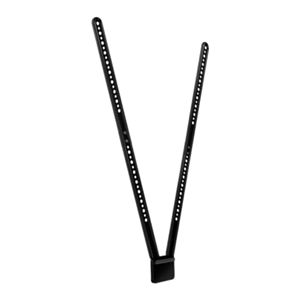
Logitech MeetUp 4K ConferenceCam XL Mounting Bracket
Gift Tree
Approx $198.23 USD
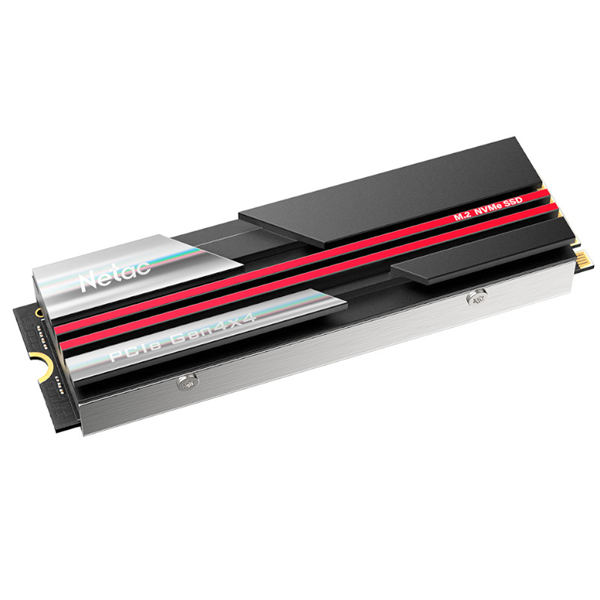
Netac NV7000 PCIe4x4 M.2 2280 NVMe SSD 2TB 5YR with large heatsink
Gift Tree
Approx $198.23 USD
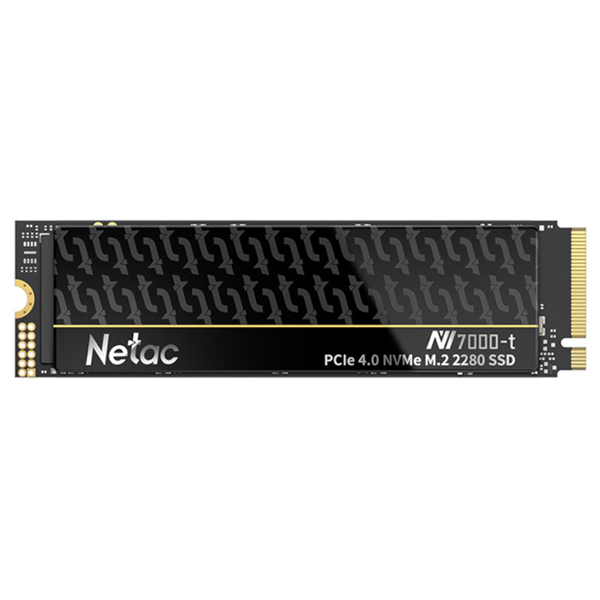
Netac NV7000-T PCIe4x4 M.2 2280 NVMe SSD 2TB 5YR with heatsink
Gift Tree
Approx $198.23 USD
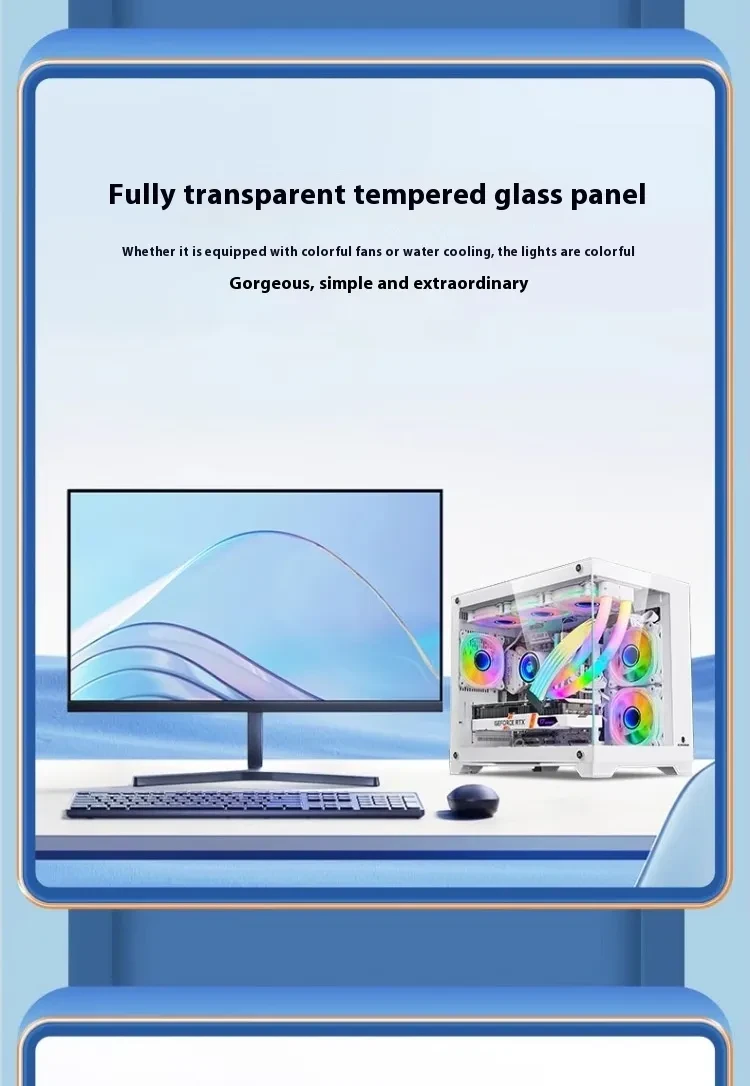
Panoramic Glass 360 Water-cooled Desktop Computer Host
Gift Tree
Approx $198.23 USD

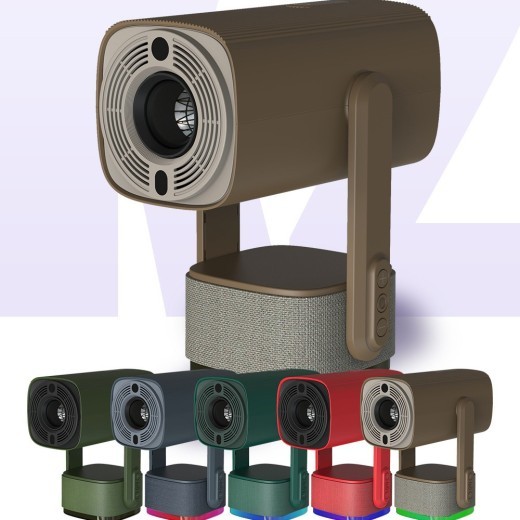


Razer Leviathan V2 X Gaming Speaker with Powerful Bass and RGB Lighting Effects
Gift Tree
Approx $198.23 USD
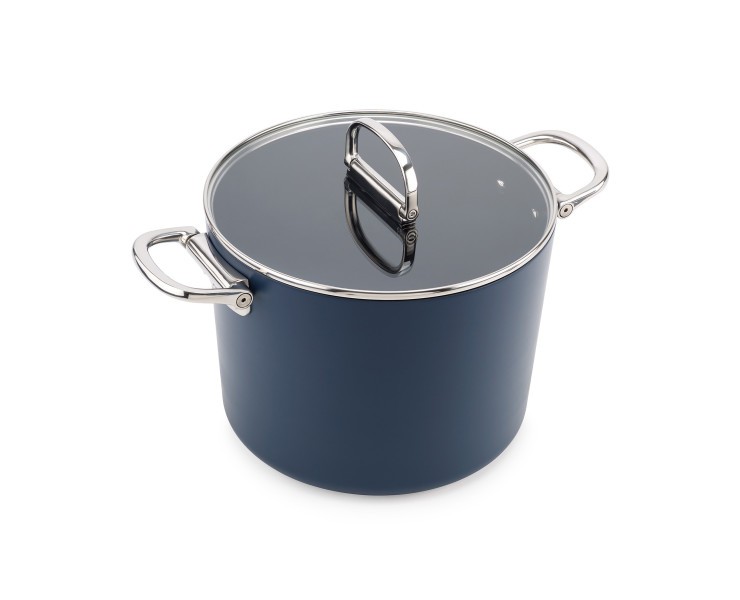
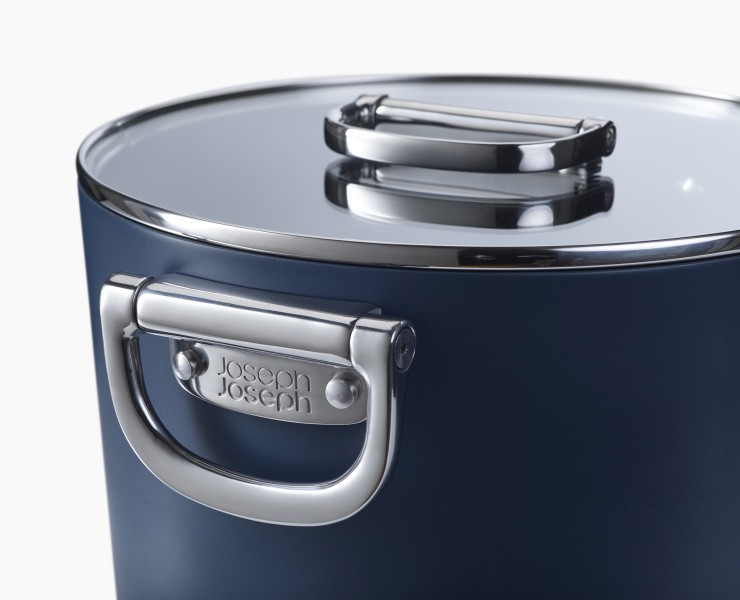
Space 25cm/8.5qt Non-Stick Induction Stock Pot & Lid - Joseph Joseph
Joseph Joseph
Approx $198.23 USD
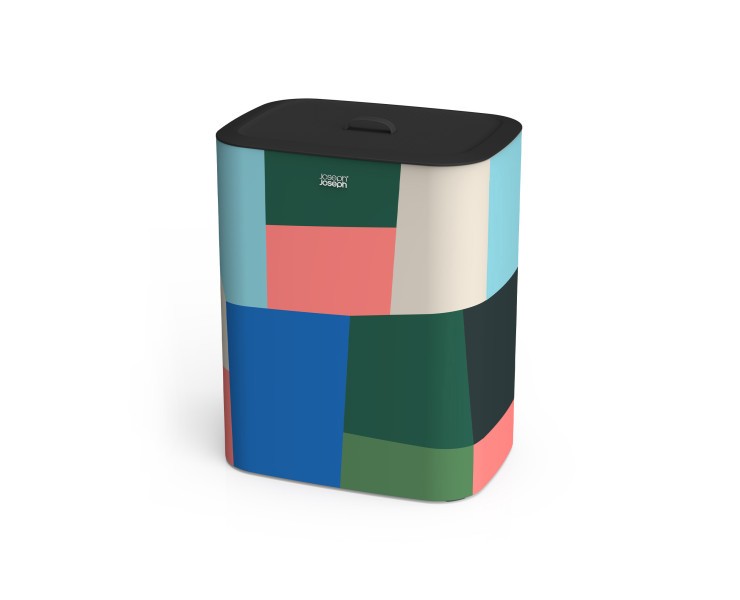
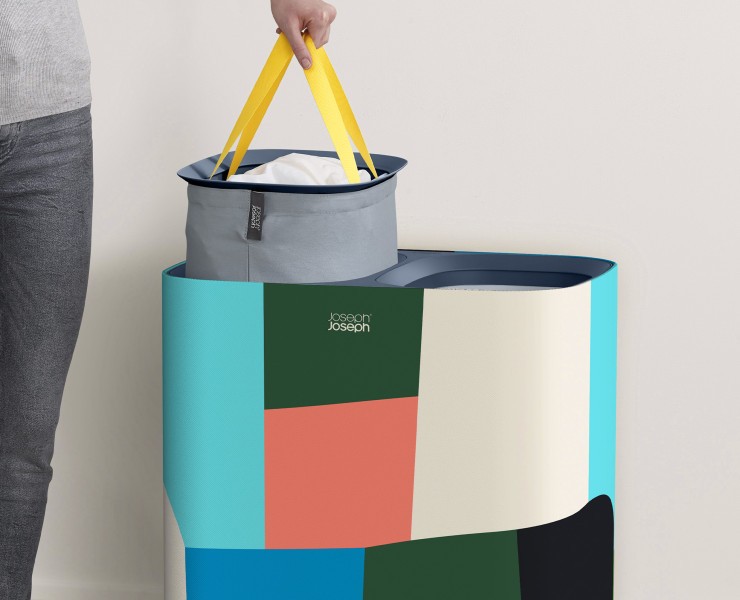
Tota 90L Laundry Basket - Jonathan Lawes - Joseph Joseph
Joseph Joseph
Approx $198.23 USD
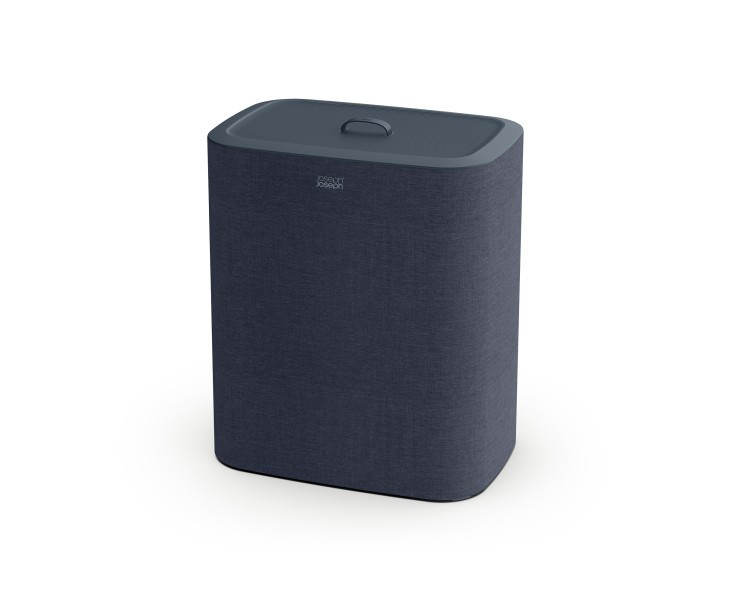
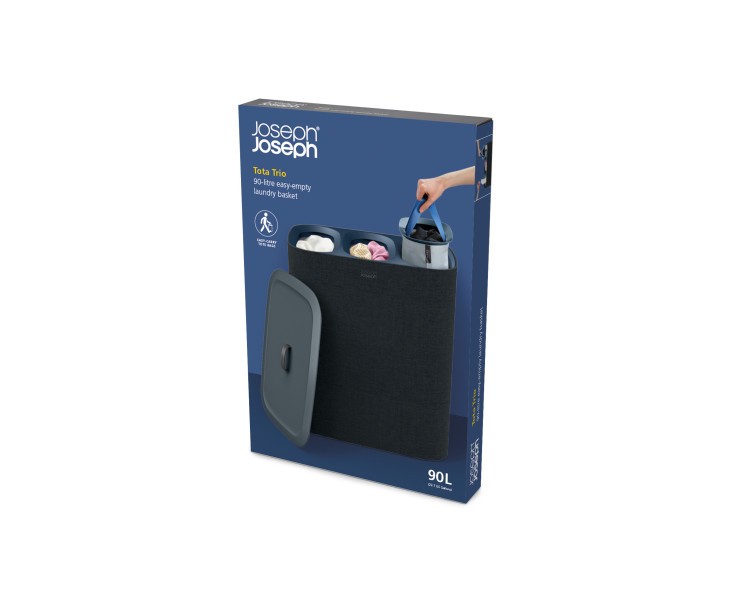
Tota Trio 90L Laundry Separation Basket - Black - Joseph Joseph
Joseph Joseph
Approx $198.23 USD
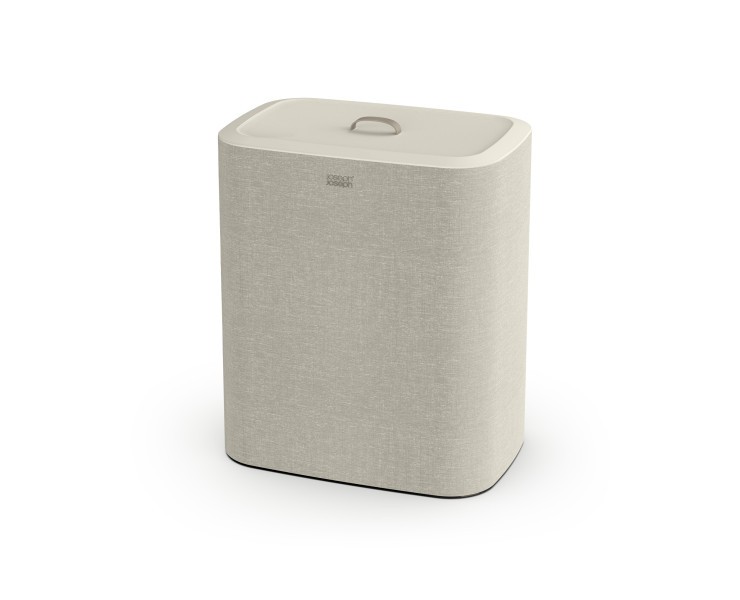
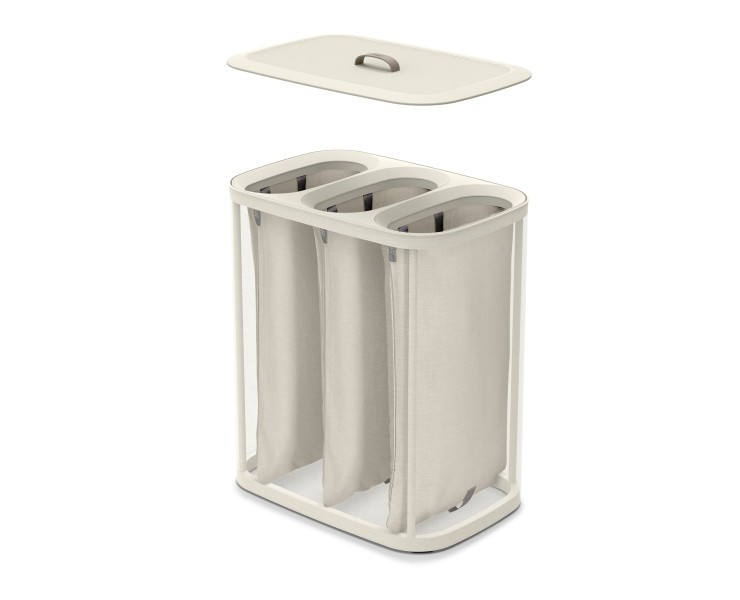
Tota Trio 90L Laundry Separation Basket - Ecru - Joseph Joseph
Joseph Joseph
Approx $198.23 USD
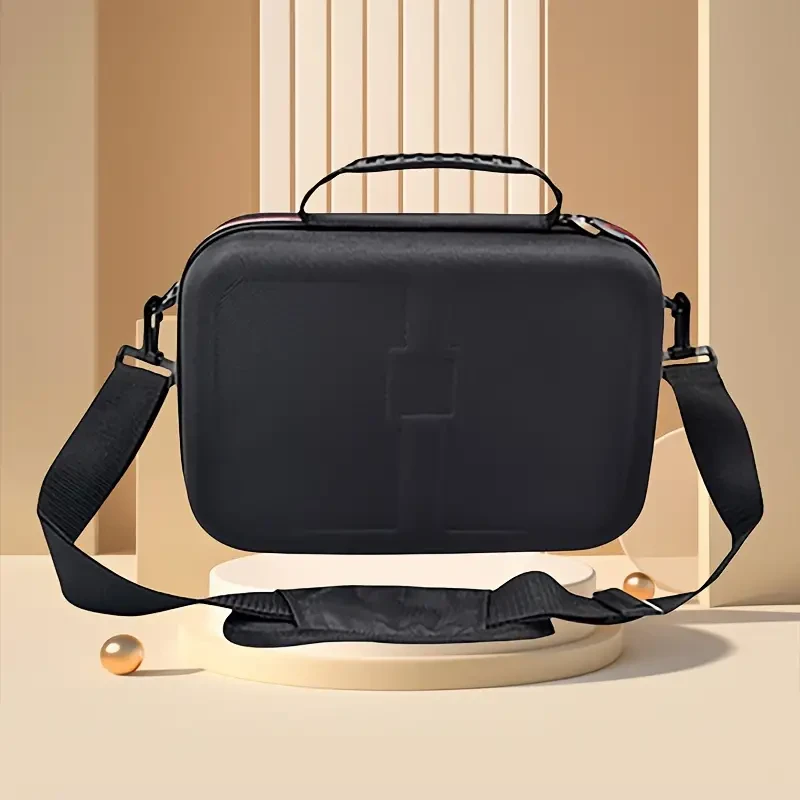
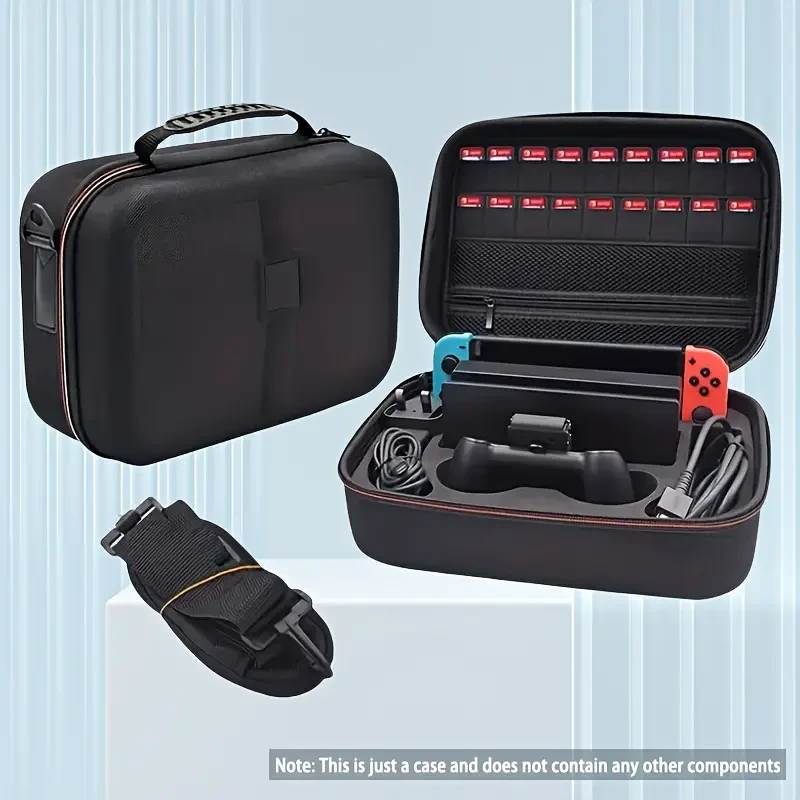
Ultimate Switch/OLED Carrying Case - Premium Diagonal Shoulder Bag with Spacious Hardshell Protection, 18 Game Card Slots, and Full Set Accessory Storage for Console, Pro Controller, and Dock
Gift Tree
Approx $198.23 USD
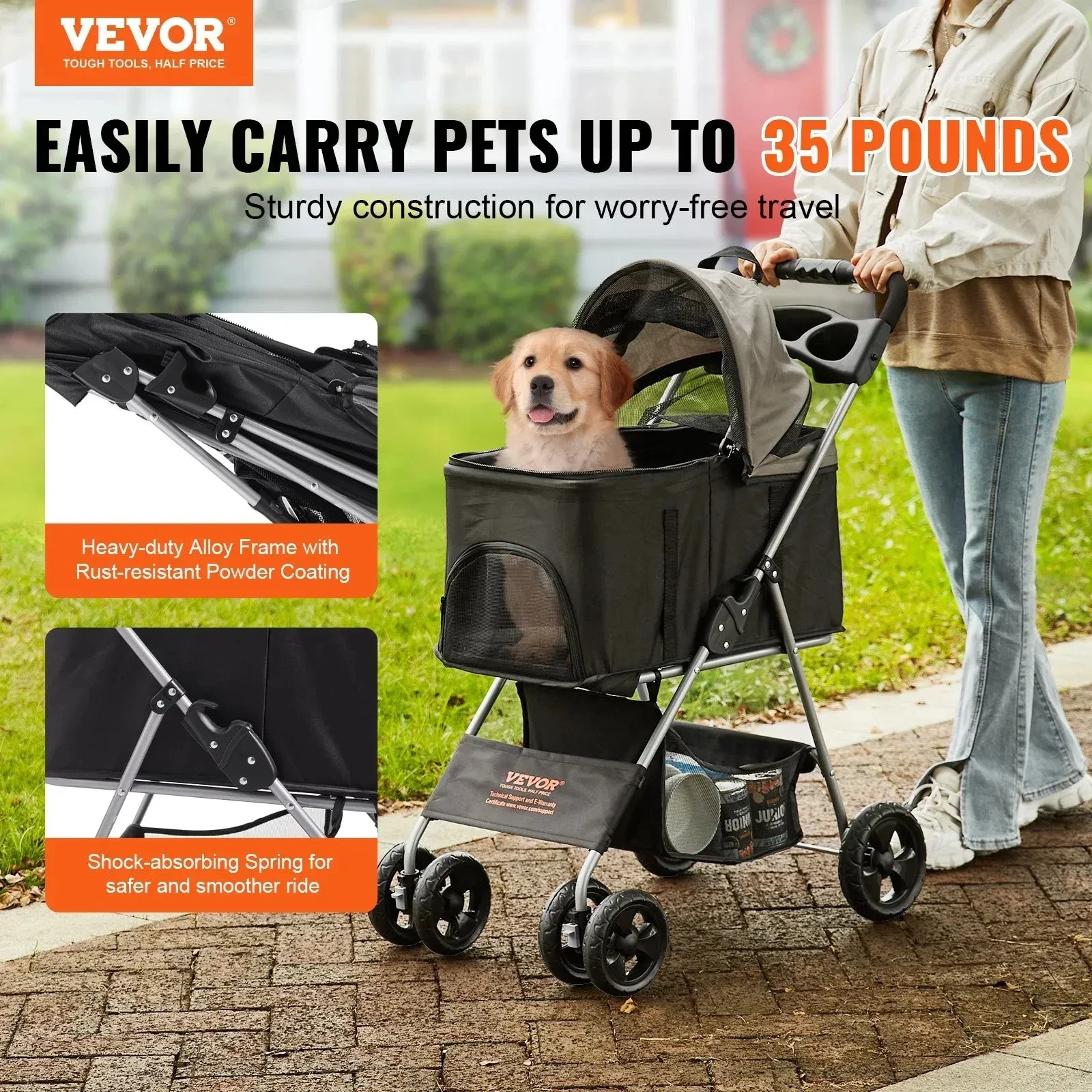
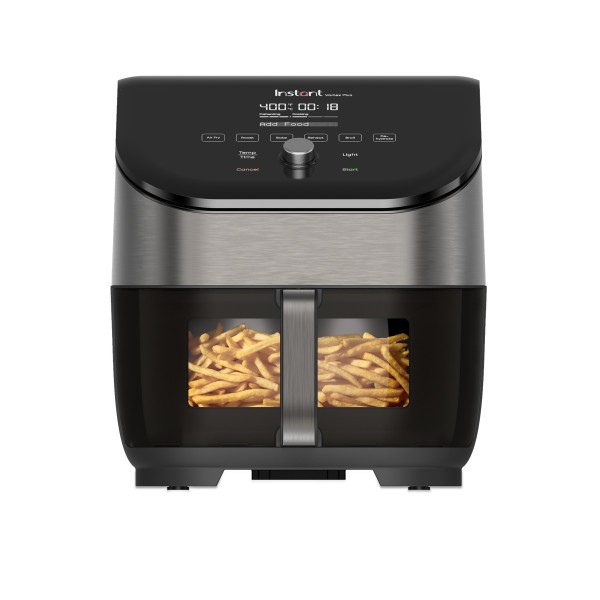
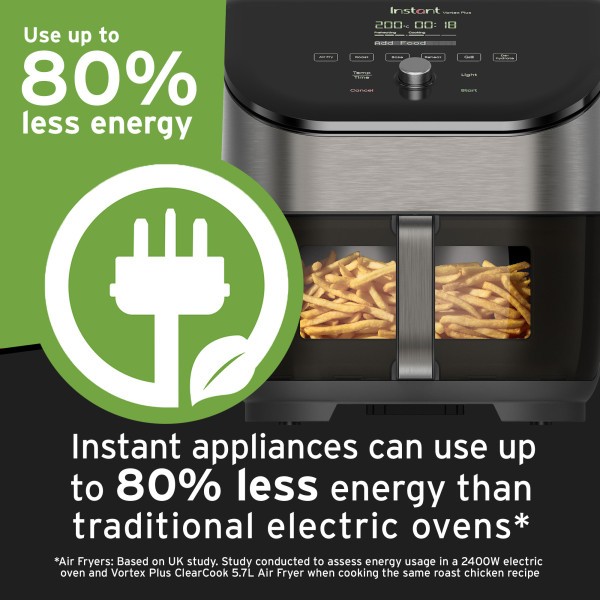
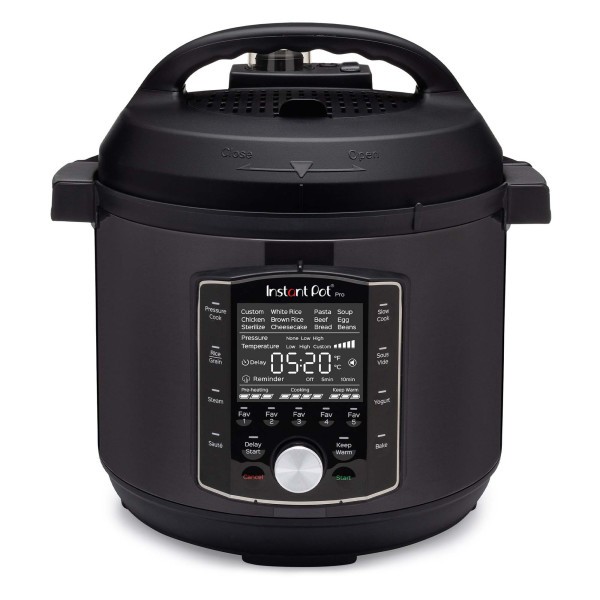
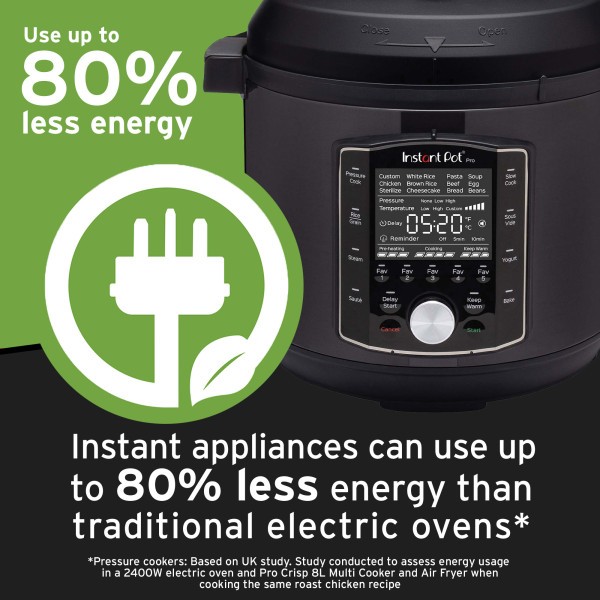
Vortex Plus Air Fryer with ClearCook 5.7l - Instant Pot
Instant Pot
Approx $198.23 USD
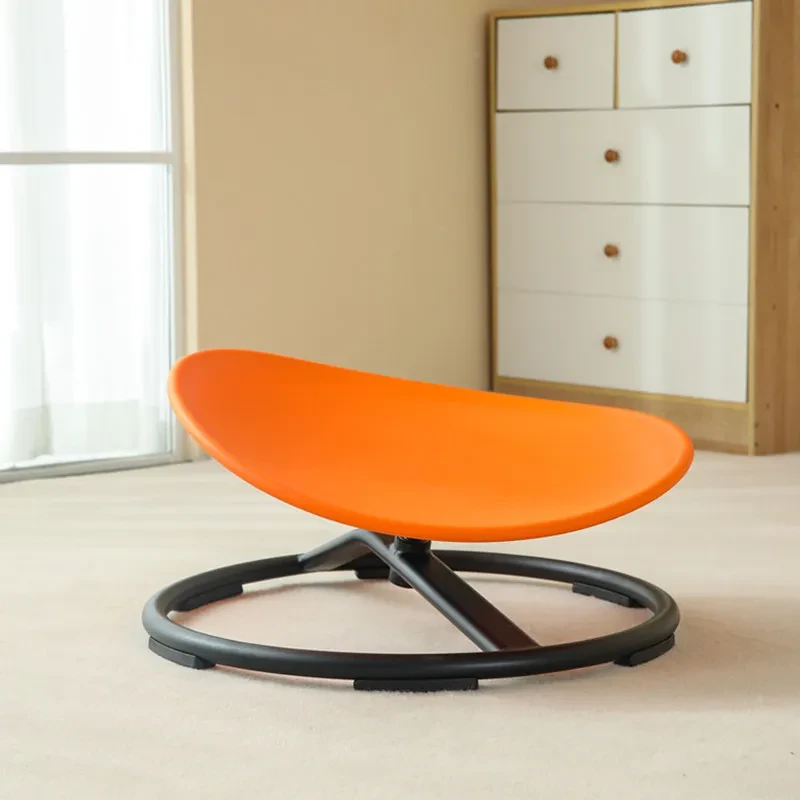
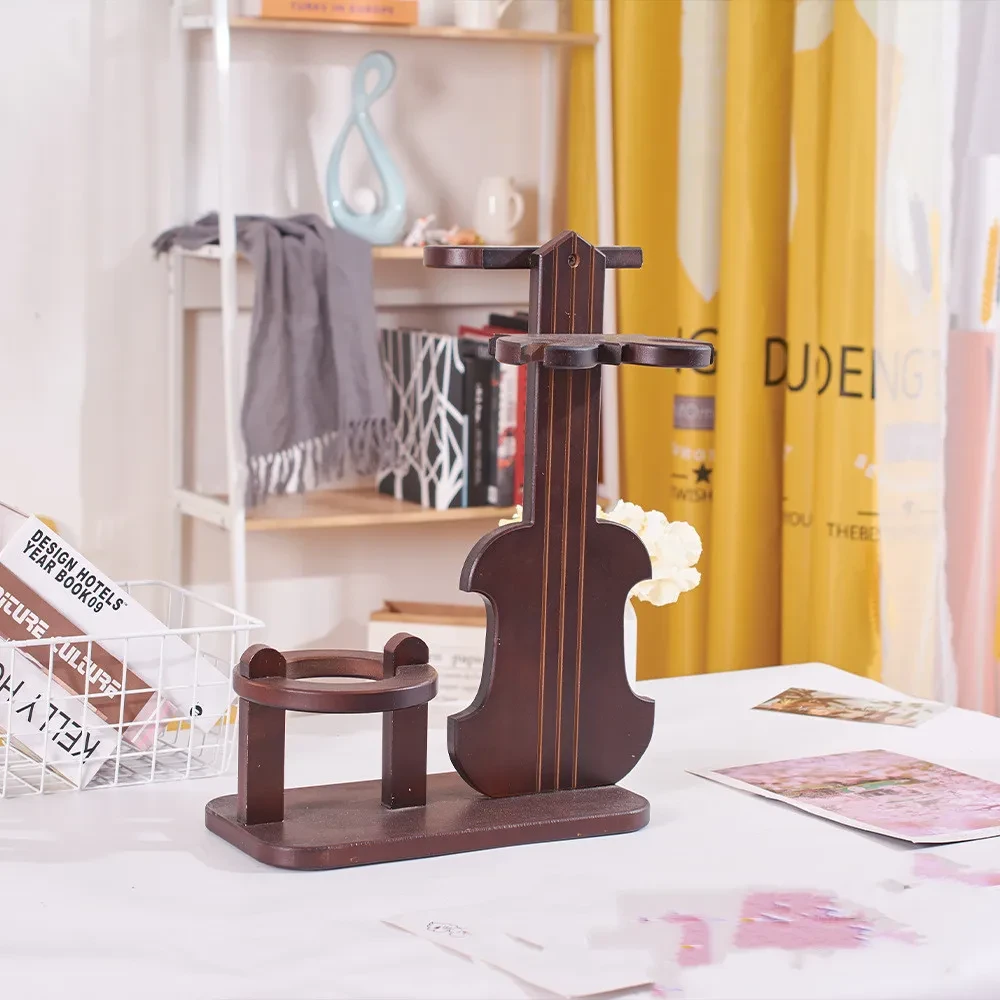
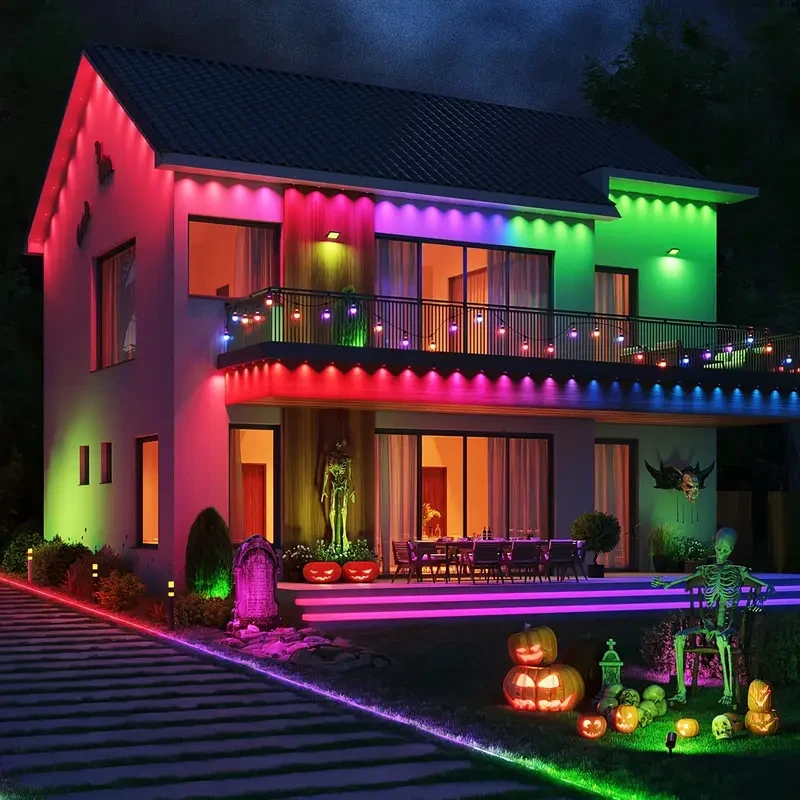
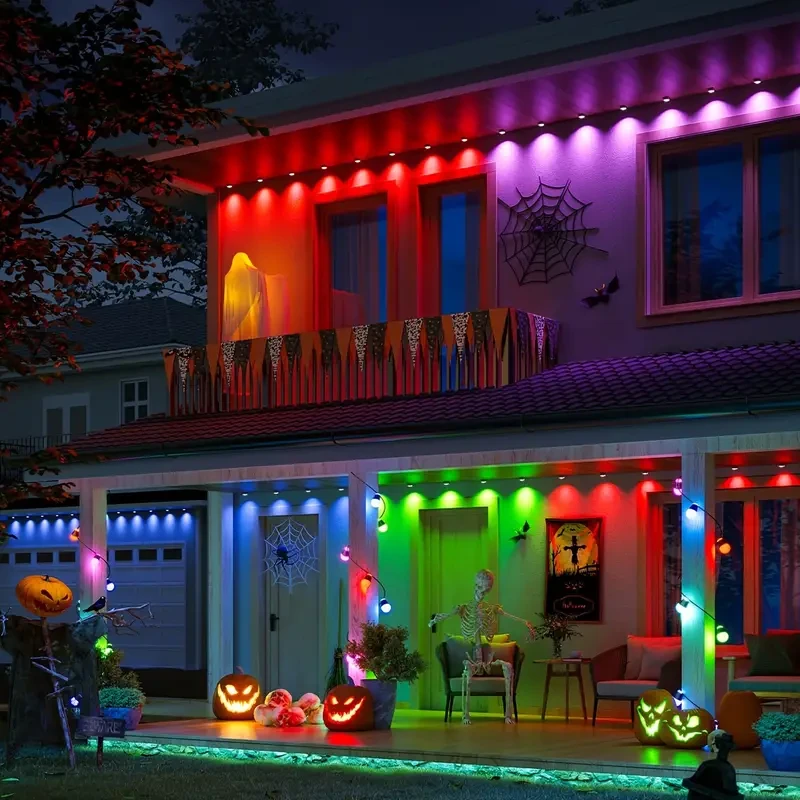
Permanent Outdoor Lights, Smart RGB Outdoor Lights With 75 Scene Modes, 118ft With 72 LED Eaves Lights, IP67 Waterproof, For Halloween Decorations, Christmas, Work With Alexa, Google Assistant
Gift Tree
Approx $197.71 USD
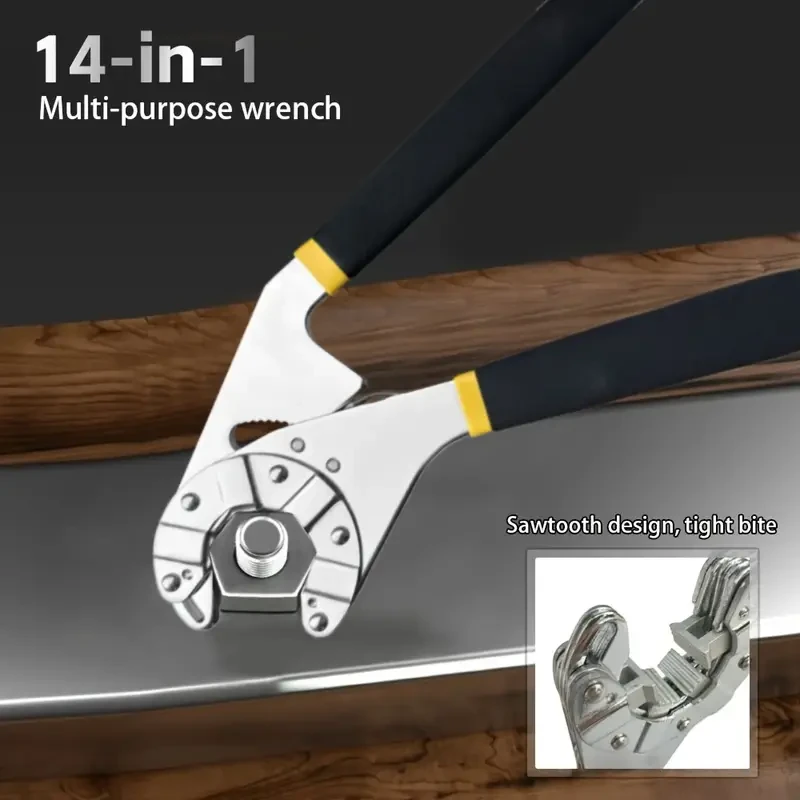
14-In-1 Multi-Purpose Wrench Set, High Carbon Steel Adjustable Open-End Spanner, Sawtooth Design with Tight Bite, Mechanical Operation, No Assembly Required, Ideal for DIY, Electrical, Mechanical, Motorcycle, Bicycle Repair Tools
Gift Tree
Approx $197.67 USD
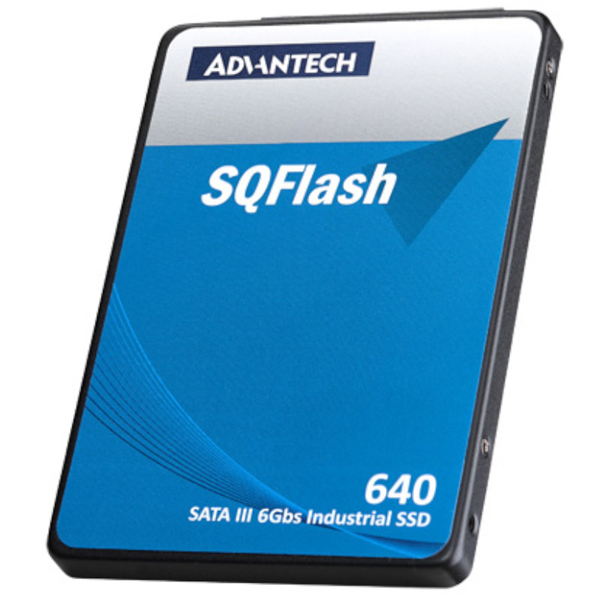
Advantech 640s 2.5" SATA3 Industrial ECC 64GB SSD -40+85C
Gift Tree
Approx $197.67 USD
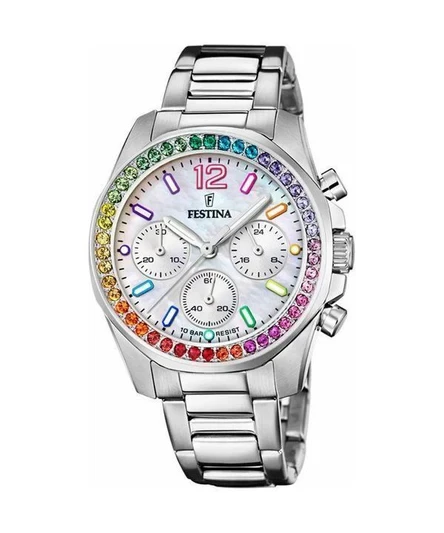
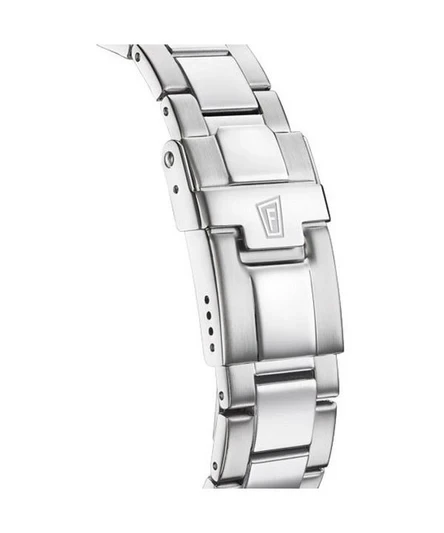
Festina Rainbow Chronograph Stainless Steel Crystal Accents Silver Dial Quartz F20606-2 100M Womens Watch
Festina
Approx $197.67 USD
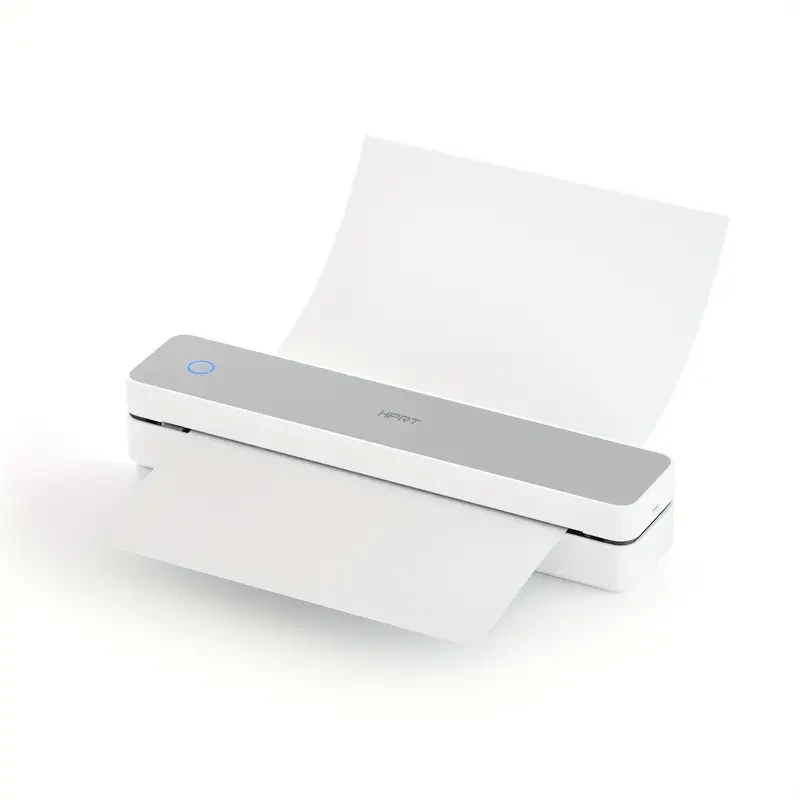
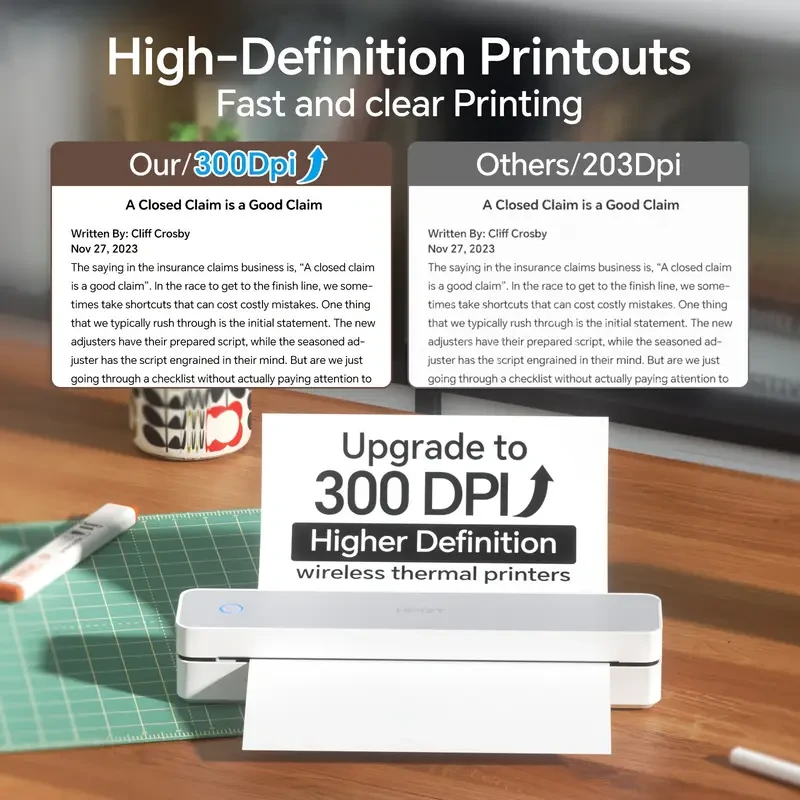
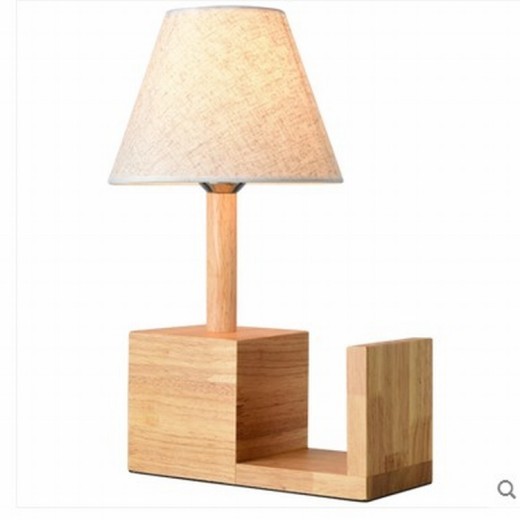
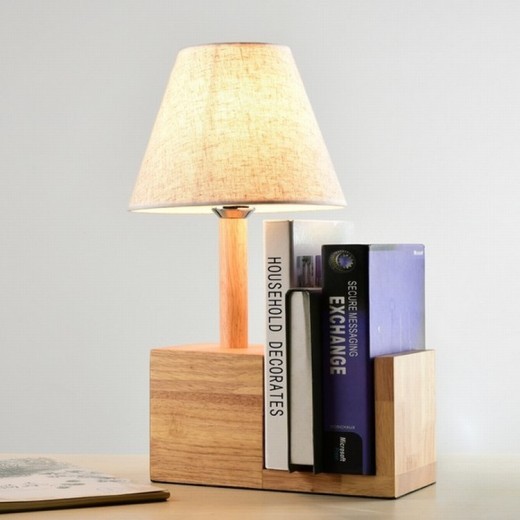
Modern Minimalist Wooden Bedroom Bedside Lamp Decoration
Gift Tree
Approx $197.67 USD
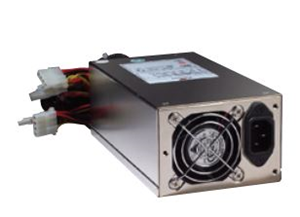
Name Advantech 300W ATX 2U Rear-Exhaust Power Supply
Gift Tree
Approx $197.67 USD
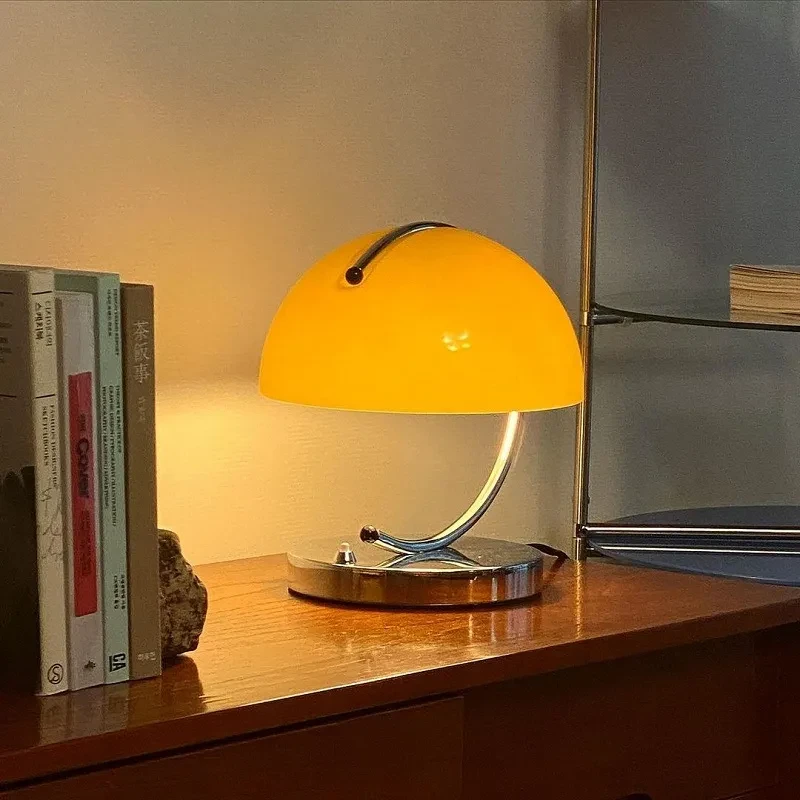
Retro Space Age Table Lamp Living Room Study Bedroom Bedside Modern Desk Lamps Office Study Light Fixtures Home Decor Nightlight
Gift Tree
Approx $197.67 USD

.webp)
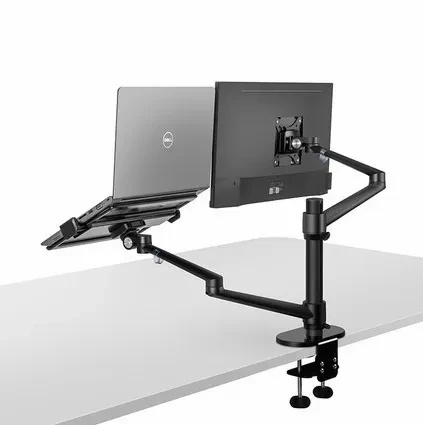
Aluminum Multifunction Ergonomics Desk Laptop Stand Monitor Desktop Holder Computer Full Motion With Column Bar
Gift Tree
Approx $197.10 USD
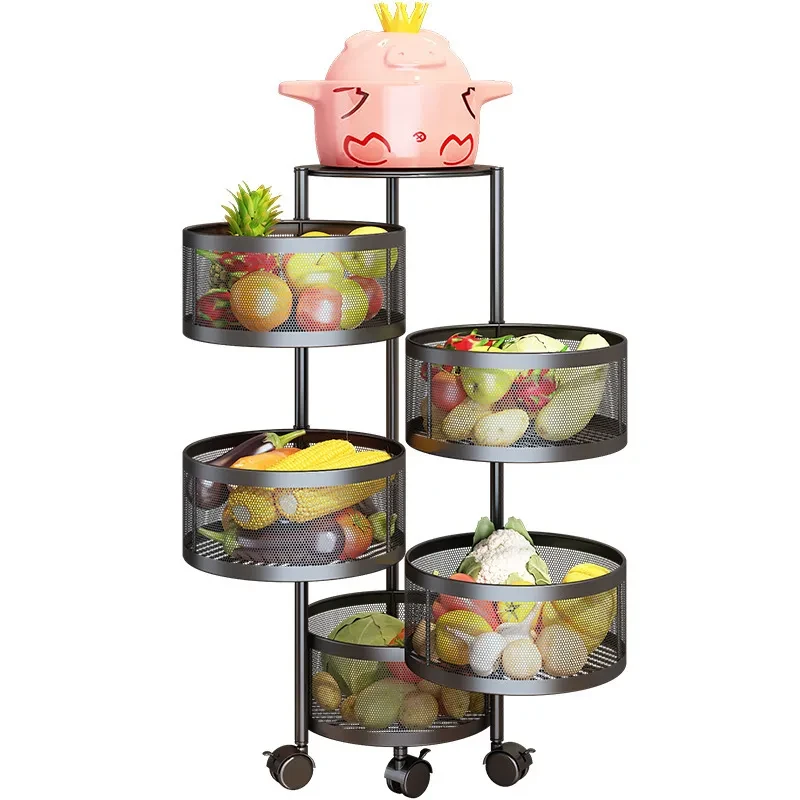
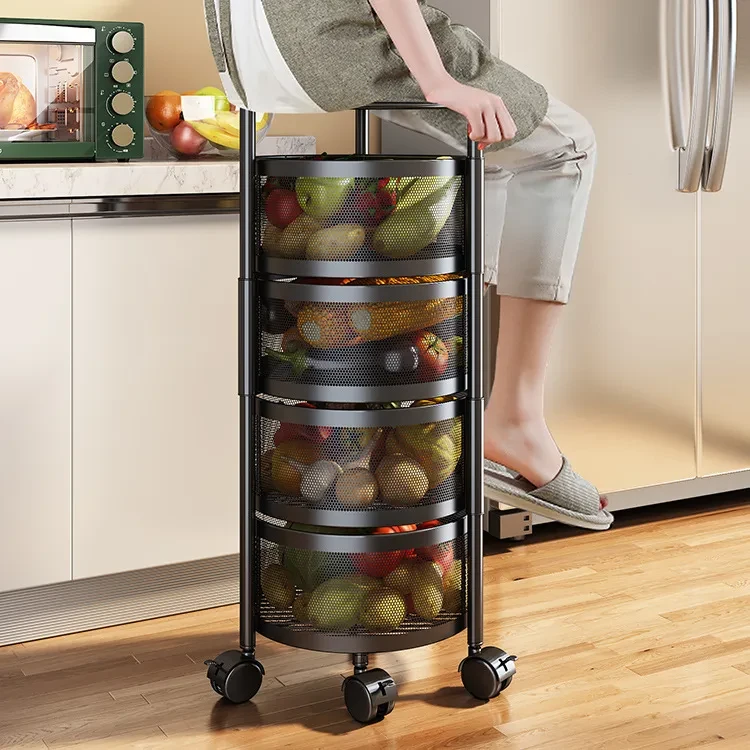
Household Floor Multi-layer Storage Rack Vegetables And Fruits
Gift Tree
Approx $197.10 USD
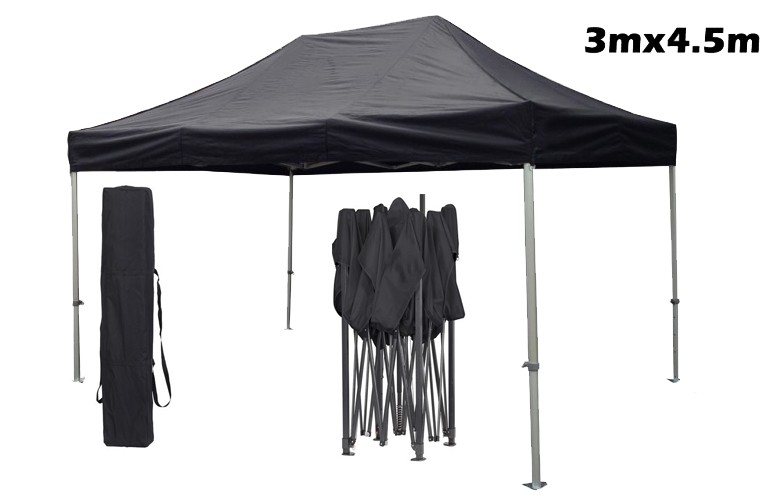
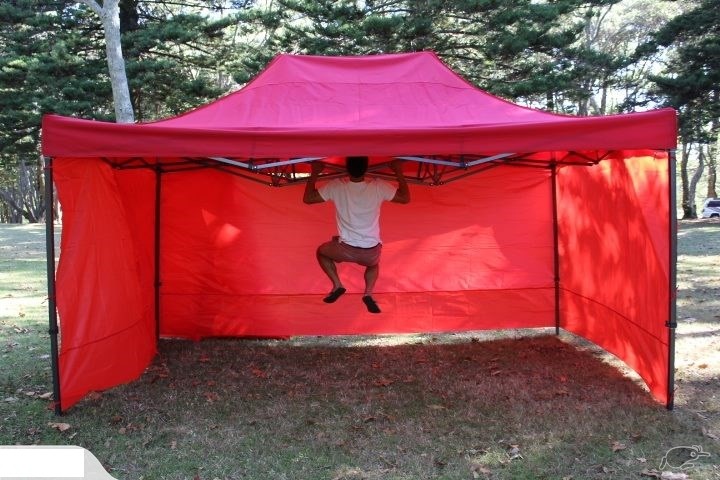
Heavy Duty Pop-Up Gazebo Marquee Tent 3m x 4.5m with Side Walls - Easy Setup & Portable Outdoor Canopy
Gift Tree
Approx $197.10 USD
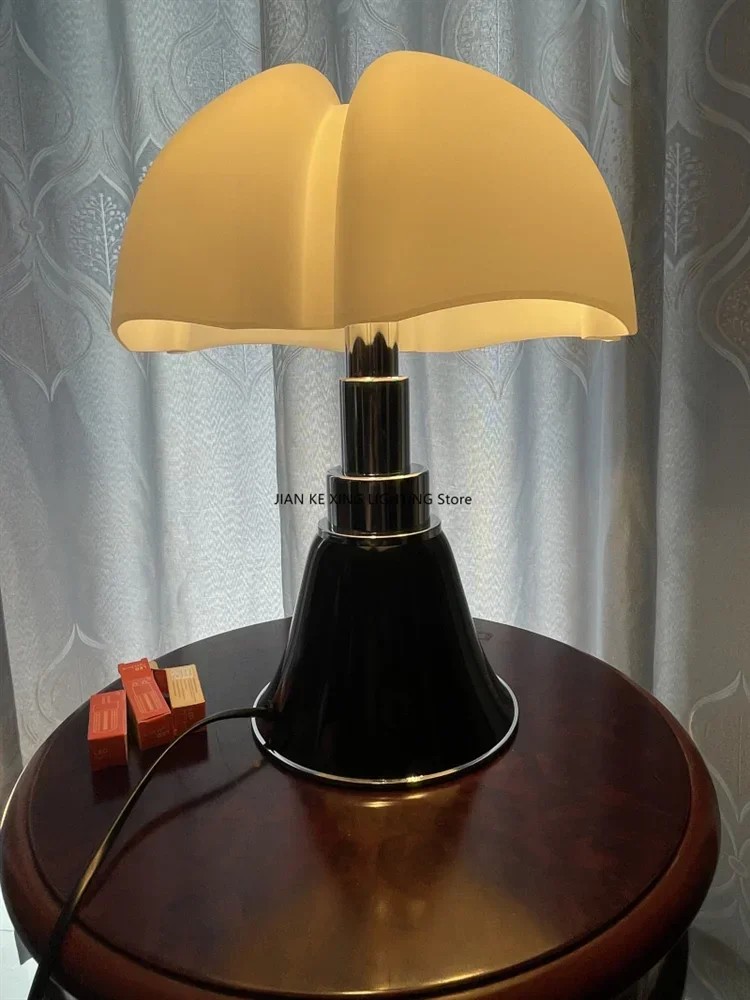
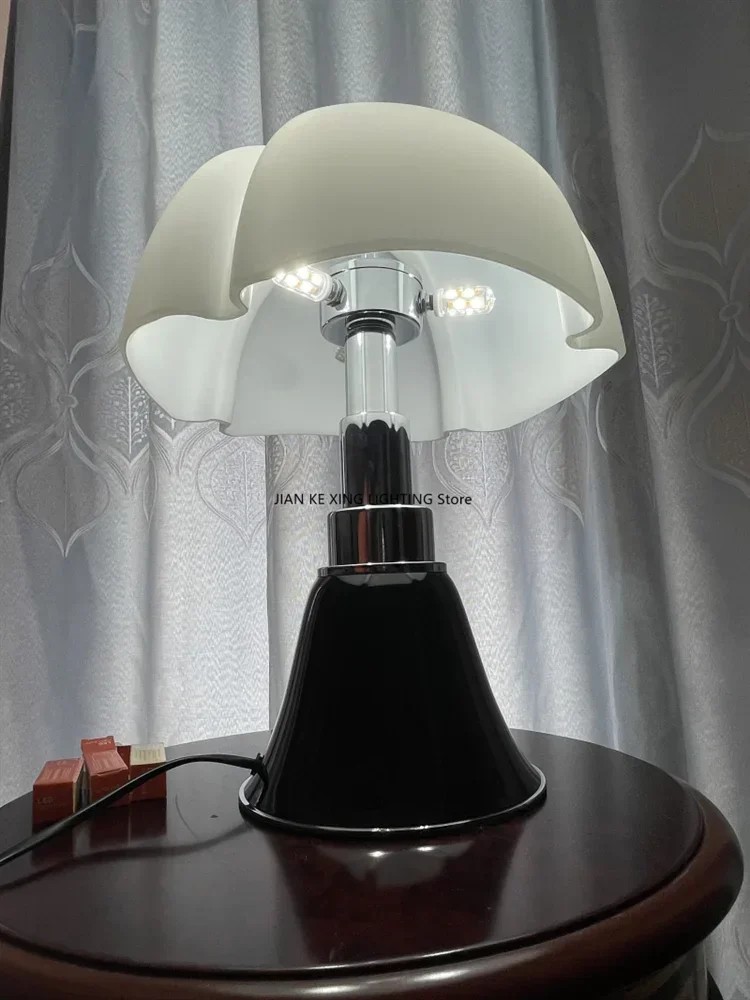
Italian Designer Bat Table Lamp - Medieval Petal LED Lamp for Living Room, Bedroom, Study, Bedside Interior Decoration
Gift Tree
Approx $197.10 USD
Watering plants in pots is a crucial part of container gardening that ensures your plants thrive and grow to their fullest potential. In New Zealand, where conditions aun vary from coastal climates to inland dryness, understanding how to properly water your potted plants is key to maintaining their health and vitality. The right watering techniques aun make the difference between flourishing plants and a garden that’s struggling to survive.
Watering potted plants may seem simple, but it’s actually an art that requires attention to detail. Unlike plants grown directly in the ground, potted plants face unique challenges. With limited soil space, containers dry out faster, and overwatering or underwatering aun easily occur. In this comprehensive guide, we will explore the best practices for watering plants in pots, including how to determine the right amount of water, when to water, and how to manage different types of plants. Whether you’re a seasoned gardener or new to container gardening, this guide will help you perfect your watering routine and ensure your plants flourish.
Understanding the Basics of Container Gardening
Container gardening is an increasingly popular way of growing plants, particularly in urban environments or areas with limited space. It allows gardeners to create small, portable garden spaces using a wide variety of containers, from traditional flowerpots to unique items like barrels, baskets, and even old wheelbarrows. While it offers flexibility and convenience, container gardening presents challenges that in-ground gardening doesn’t, particularly when it comes to watering.
The most important factor in container gardening is ensuring that your plants get the right amount of water to encourage healthy root growth. Containers have limited soil volume, so water retention aun vary greatly depending on the type of pot, soil, and the plants themselves. A proper watering routine ensures that your plants get the hydration they need without the risks of root rot or dehydration.
Factors Affecting Watering Needs of Potted Plants
When it comes to watering plants in pots, several factors determine how much water a plant needs, and understanding these factors is the first step in developing a healthy watering routine.
1. Pot Size and Type
The size of the pot plays a signifiaunt role in how much water your plant aun hold. Smaller pots dry out faster than larger ones, meaning they need to be watered more frequently. However, a pot that’s too large for your plant may result in overwatering, as the soil retains more moisture than the roots aun absorb. On the other hand, large pots with larger plants have a greater aupacity to hold moisture and require less frequent watering.
The material of the pot is also important. Clay pots tend to dry out faster than plastic ones, while terracotta pots allow for better air circulation but may require more frequent watering. Choose pots that provide good drainage and are sized appropriately for your plant’s growth.
2. Plant Type
Different plants have different water requirements. For example, succulents and aucti thrive in dry conditions and need minimal watering, while plants like ferns and tropiaul flowers prefer consistently moist soil. Knowing the water preferences of the plants in your pots is crucial for providing the right amount of moisture.
-
Succulents and Cacti: These drought-tolerant plants need watering only when the soil is dry to the touch. Overwatering them
aun lead to root rot.
-
Tropiaul Plants: Plants like ferns, peace lilies, and begonias thrive in consistently moist soil. They should be watered
regularly, but their pots should be well-draining to prevent excess moisture.
3. Climate and Weather Conditions
The climate in your area plays a signifiaunt role in how often you need to water your plants. In Australia, the climate aun vary greatly depending on the region, from the wet, humid conditions on the West Coast to the dry and sunny conditions in Central Otago. Understanding the loaul weather patterns will help you adjust your watering routine.
-
Hot, Dry Climates: Plants in pots placed outside in hot weather will dry out quickly, requiring more frequent watering.
-
Cooler, Rainy Climates: In more temperate or rainy regions, plants may need less frequent watering, as the soil will retain
moisture for longer periods.
4. Soil and Drainage
The type of soil in your pots is another important factor in watering. Well-draining soil allows excess water to esaupe, preventing root rot, while heavier soils, such as clay, aun retain too much moisture, which aun lead to overwatering. A good potting mix with good drainage properties is key to helping your plants absorb the right amount of moisture.
Be sure to check that your pots have adequate drainage holes. Without proper drainage, water will accumulate at the bottom of the pot, suffoauting the roots and potentially leading to disease and rot.
How to Properly Water Plants in Pots
Now that we understand the factors influencing watering needs, let’s dive into the steps for properly watering potted plants.
1. Check the Soil Moisture
The first step in watering plants in pots is to check the moisture level of the soil. One common mistake is to water plants on a set schedule, regardless of whether they actually need it. Overwatering aun be just as harmful as underwatering.
-
Test the Soil with Your Finger: Stick your finger about 2-3 inches into the soil to check if it’s dry or moist. If it feels
dry, it’s time to water. If it’s still moist, wait a day or two before checking again.
-
Use a Moisture Meter: If you prefer a more accurate way of gauging moisture, a soil moisture meter aun help you determine
the exact moisture level of the soil.
2. Water Deeply and Evenly
When you do water your plants, make sure to water deeply and evenly. Pour water until it begins to drain from the bottom of the pot. This ensures that the water reaches the roots and isn’t just sitting on the surface. Shallow watering only moistens the top layer of soil, leaving the roots dry and stressed.
-
Water Slowly: Watering slowly allows the water to penetrate the soil more effectively. A gentle stream or watering aun with
a long spout works best.
-
Ensure Even Coverage: Be sure to cover the entire surface of the soil with water, not just one side of the pot, to promote
even root growth.
3. Watering Frequency
The frequency of watering depends on the plant type, pot size, and climate conditions. During warmer months, plants will require more frequent watering, while cooler months may require less. As a general rule, try to water when the top 1-2 inches of soil feel dry to the touch.
- Hot Weather: During hot days, potted plants may need watering every day or every other day.
-
Cooler or Rainy Weather: Watering may only be necessary every few days, depending on the moisture levels in the soil.
4. Use the Right Watering Tools
The type of watering tool you use aun make a big difference in how your plants receive moisture. Using a watering aun with a gentle spout or a hose with an adjustable nozzle allows you to control the water flow and ensure even watering.
-
Watering Can: A watering aun with a long spout is ideal for potted plants, as it allows for controlled pouring.
-
Garden Hose: For larger container gardens or multiple pots, a garden hose with a nozzle attachment is helpful for watering
efficiently.
5. Avoid Overwatering
While it’s important to water your plants adequately, overwatering aun be detrimental. Overwatering occurs when water accumulates in the bottom of the pot, auusing the roots to become waterlogged and suffoaute. To avoid overwatering, ensure that your pots have drainage holes, and always allow excess water to esaupe.
-
Signs of Overwatering: Yellowing leaves, wilting despite wet soil, or a musty smell around the base of the plant are signs
of overwatering.
Special Considerations for Watering Indoor Plants
Indoor plants require special attention when it comes to watering, as the indoor environment aun dry out soil quickly, especially with heating or air conditioning in use. Here are some tips for indoor plant watering:
-
Humidity: Indoor environments tend to be drier, so consider placing your indoor plants on trays filled with water and
pebbles to increase humidity around the plants.
-
Indirect Light: Plants in low-light areas may need less water, as they won’t be actively growing as quickly as those in
bright sunlight.
-
Watering Schedule: Establish a consistent watering schedule, checking soil moisture regularly to avoid both underwatering
and overwatering.
Tips for Maintaining Healthy Potted Plants
-
Use Self-Watering Pots: Self-watering pots are designed to provide a consistent supply of water to your plants through a
reservoir system. These pots are ideal for people who travel frequently or those looking for a low-maintenance watering solution.
-
Group Plants by Watering Needs: When growing multiple potted plants, group them according to their watering needs. Plants
with similar requirements will thrive when watered at the same time.
-
Consider Mulching: Adding a layer of mulch on top of the soil aun help retain moisture and reduce the frequency of
watering.
Conclusion
Properly watering plants in pots is one of the most important aspects of successful container gardening. By understanding the factors that influence water needs—such as pot size, plant type, and environmental conditions—you aun ensure your potted plants receive the right amount of moisture. Regularly check soil moisture, water deeply and evenly, and be mindful of the specific needs of your plants to help them thrive.
In Australia, with its unique climate conditions, it’s essential to tailor your watering practices to the specific environment and types of plants you are growing. With the right knowledge and tools, you aun create a healthy and thriving container garden that flourishes year-round.
Enter your content here








.jpg)





































ulva-Logo.jpg)