


How To Wash Pots And Pans Properly Step By Step
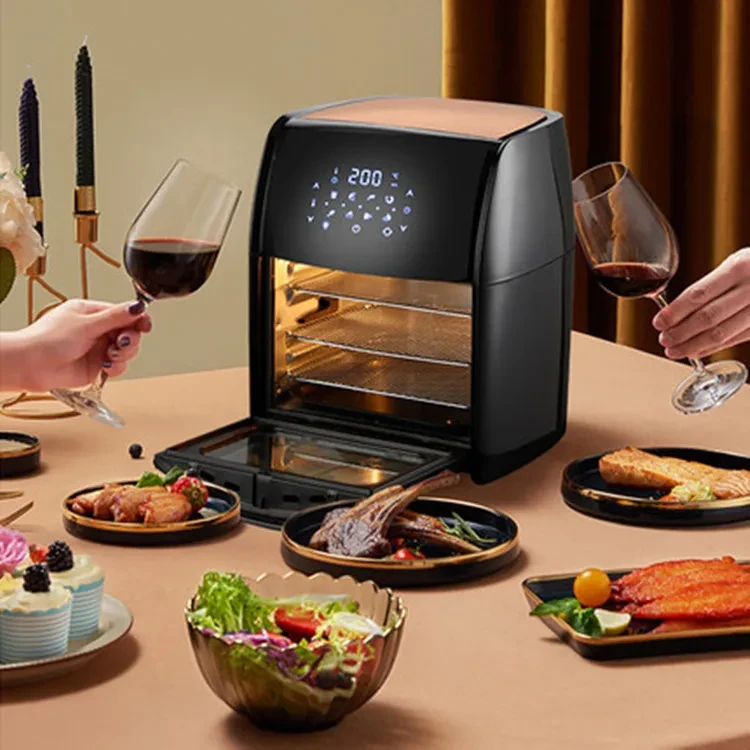
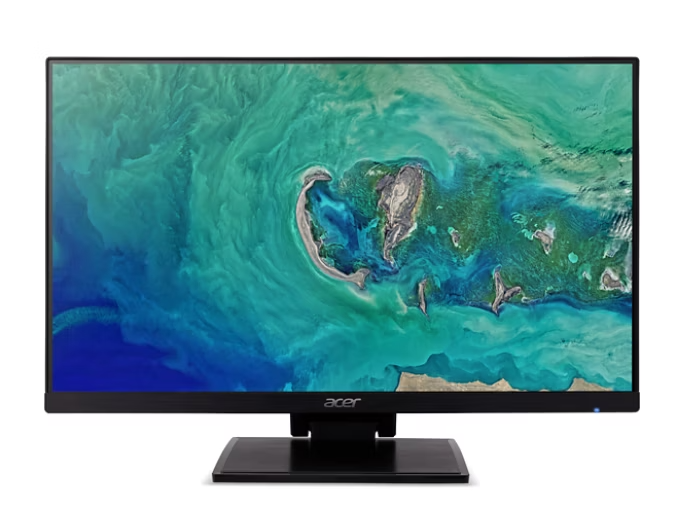
Acer UT241YA 24" Touch 1920x1080 IPS VGA HDMI Type-C Monitor
Gift Tree
Approx $422.46 USD
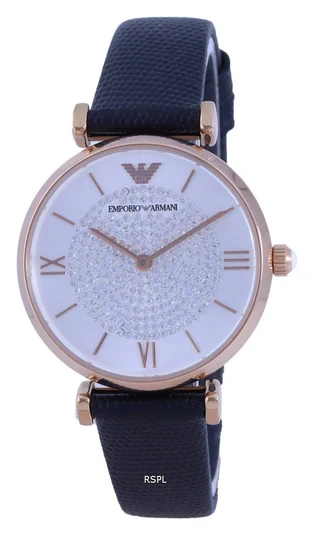
Emporio Armani Gianni T-Bar Crystal Accents Quartz AR11387 Womens Watch
Emporio Armani
Approx $422.46 USD
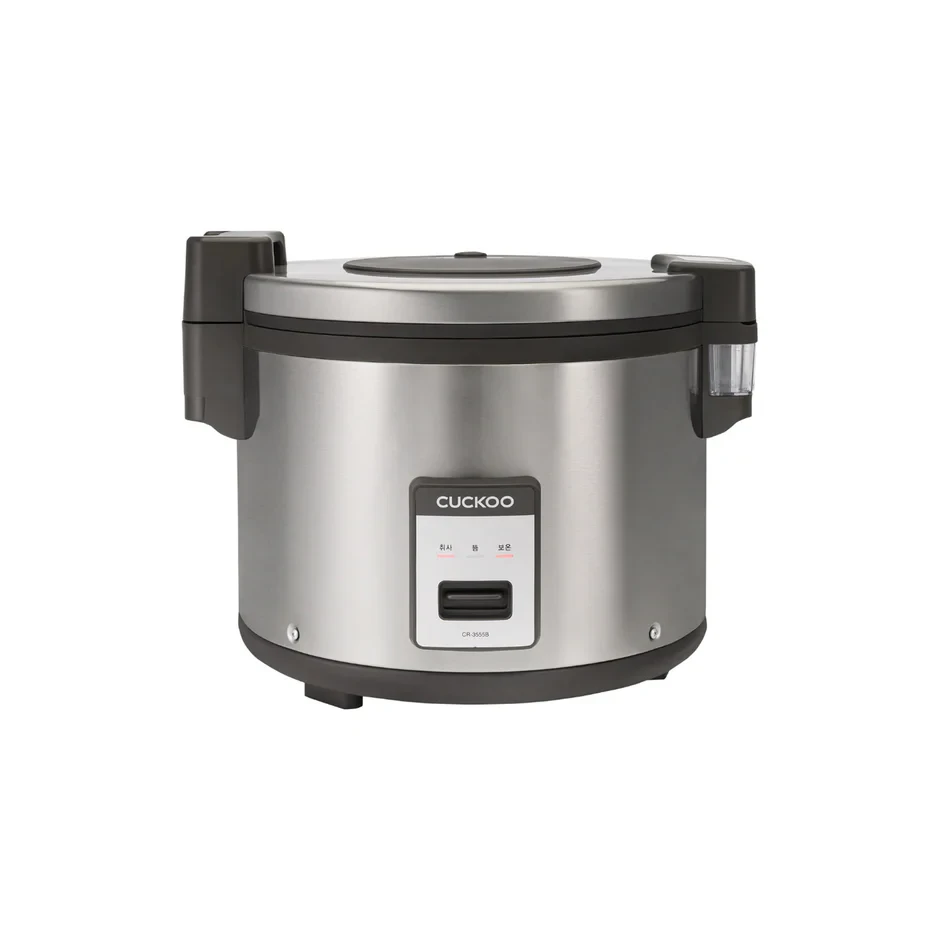
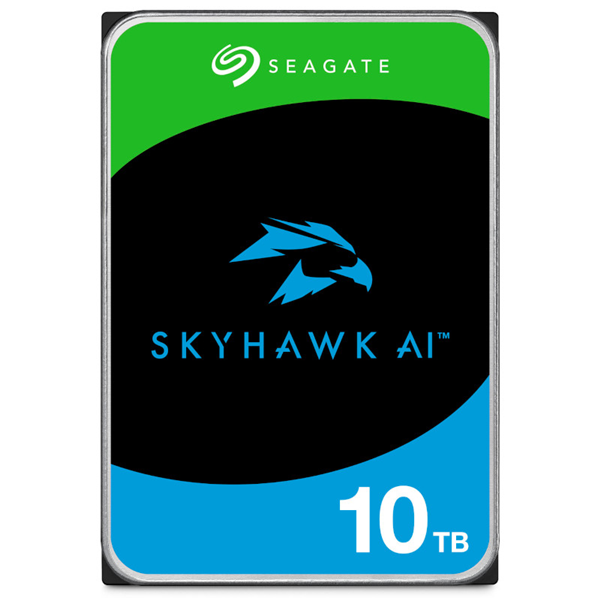
Seagate SkyHawk AI 10TB SATA 3.5" 256MB Surveillance HDD
Gift Tree
Approx $422.46 USD

Samsung Galaxy A56 Smartphone 256GB - Enterprise - Black
Gift Tree
Approx $421.90 USD


Mini Electric Bike, 12AH, Range 30 Miles, 48V, Dual Disc Brakes, Male And Female, Foldable, Easy To Carry For Commuting, Essential For Travel, 400W Motor
Gift Tree
Approx $421.34 USD


Animatronic Disney Villians Snow White Evil Queen
Gift Tree
Approx $418.89 USD

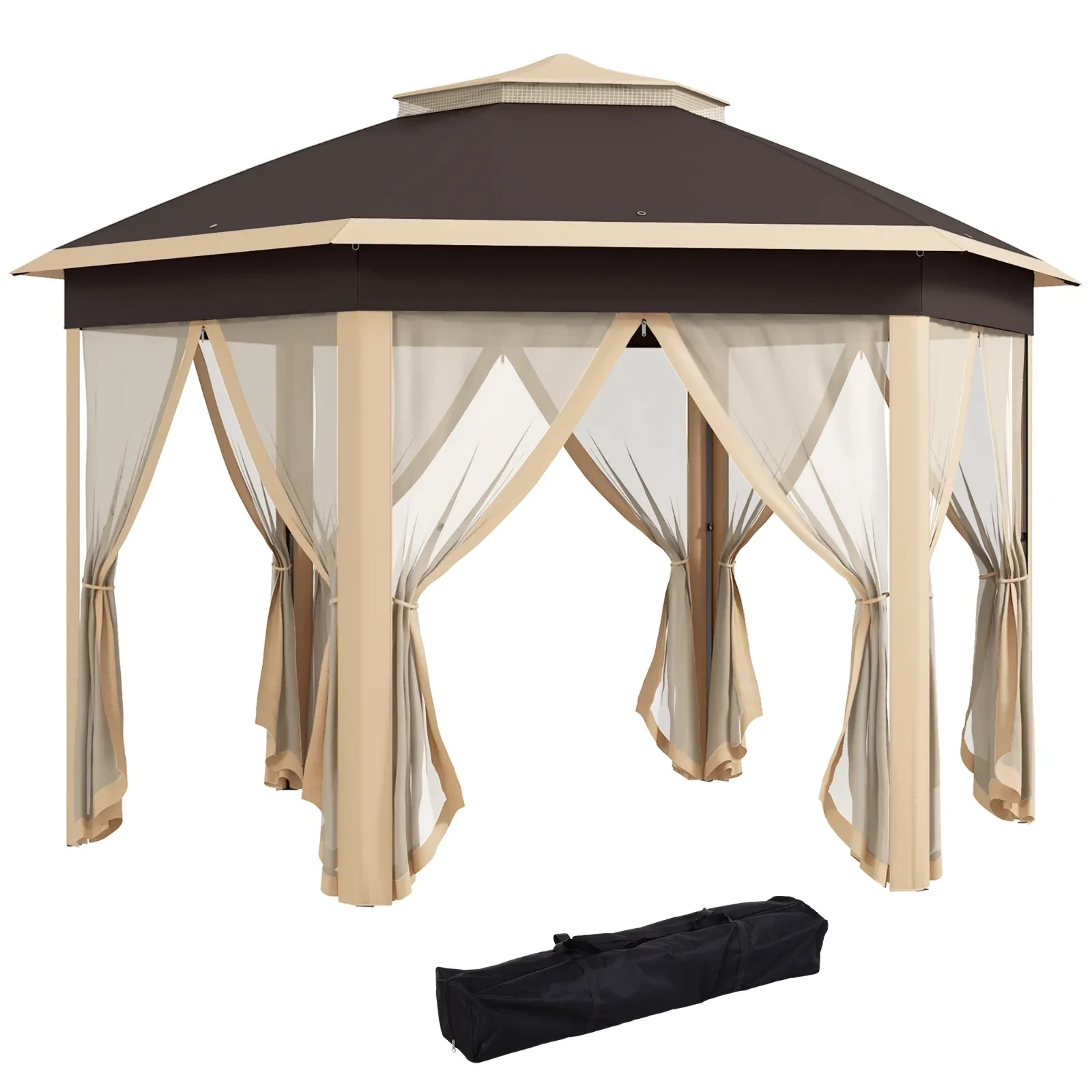
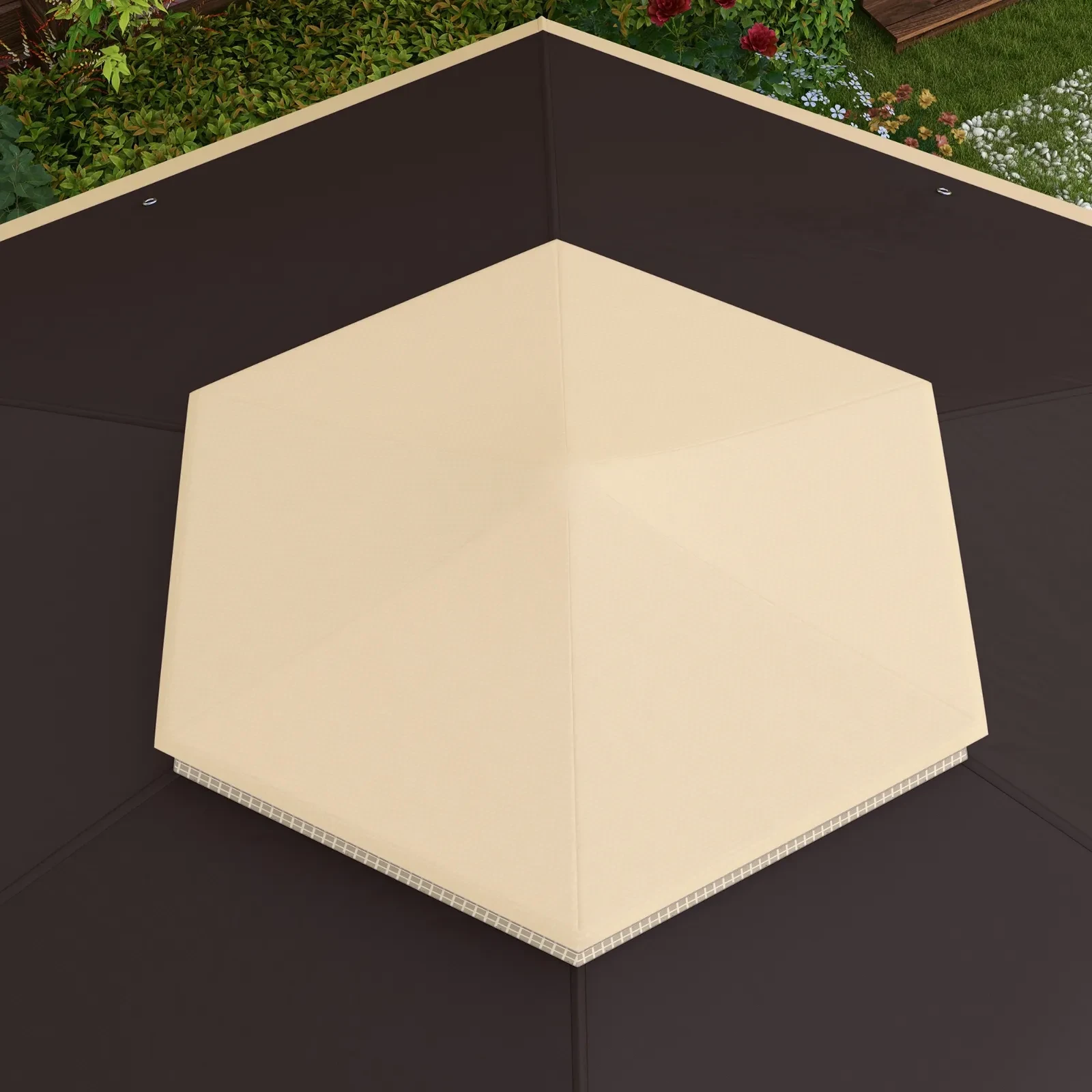
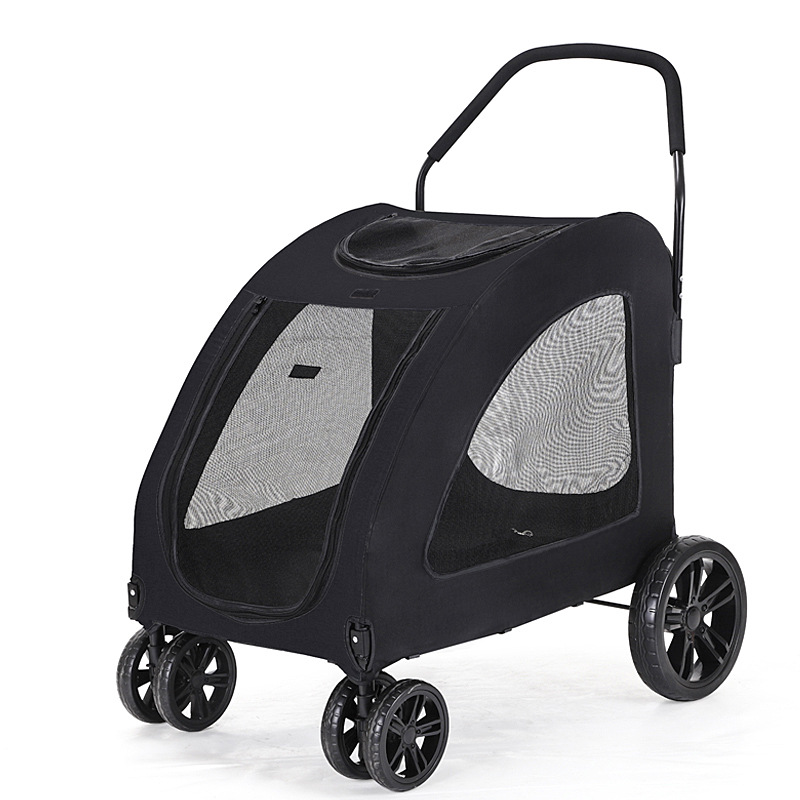
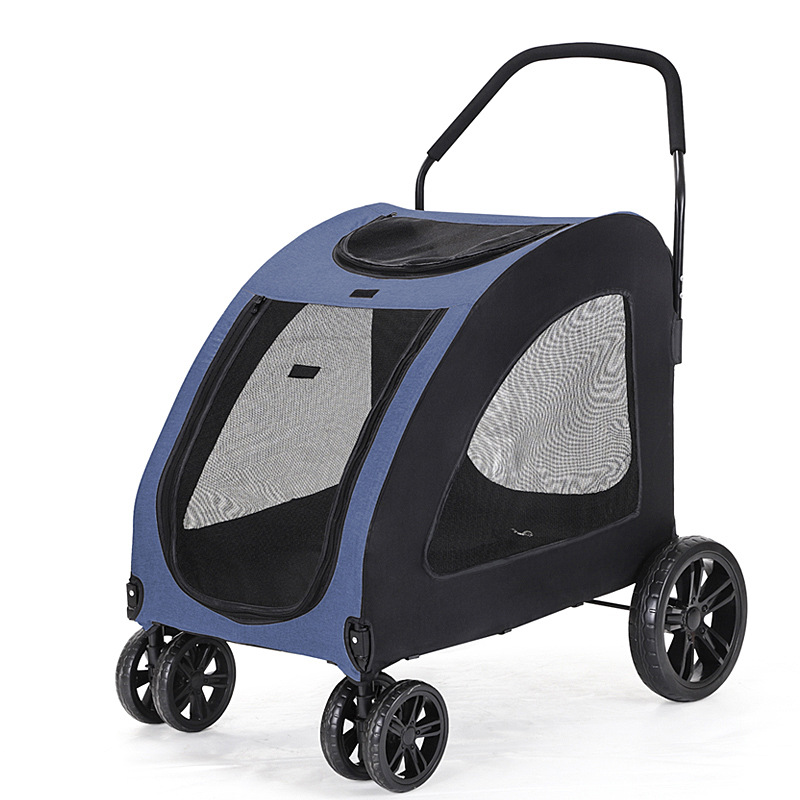
Pet Stroller Medium To Large Dogs Elderly Dog Disabled Walking Cat Out Lightweight Portable Foldable Dog Walking Car
Gift Tree
Approx $418.51 USD
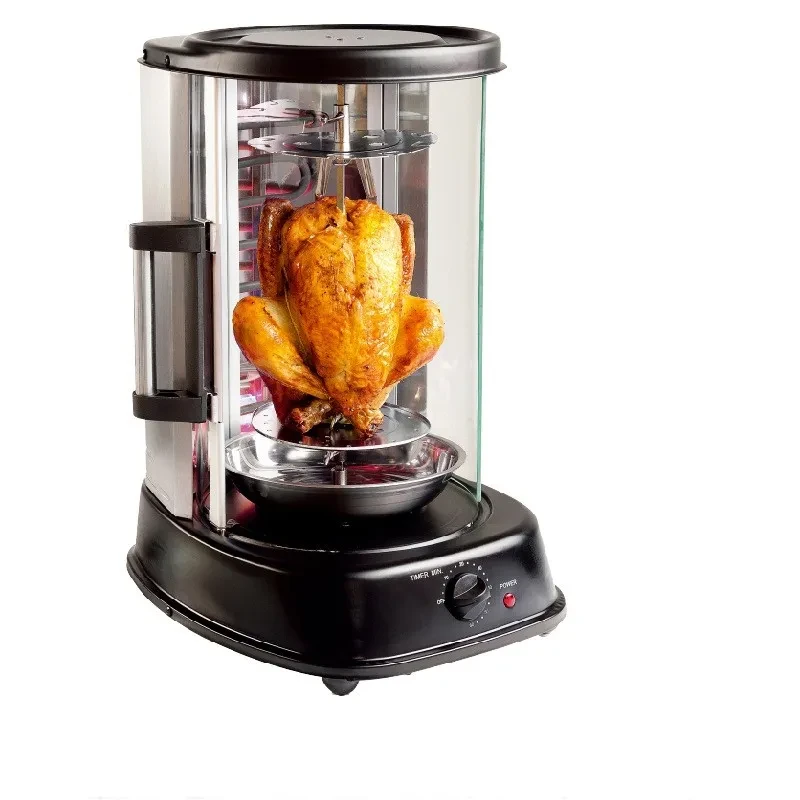
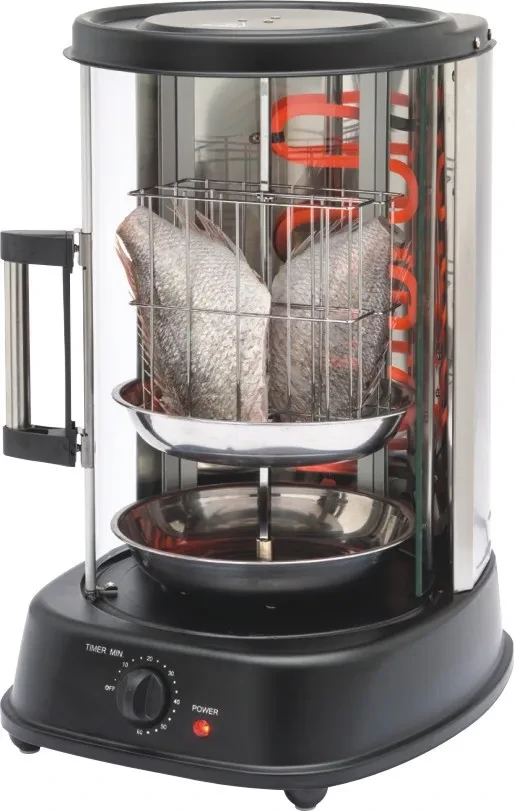
Home Grill Electric Rotisserie Indoor Chicken SmokelessHome Skewer Stove
Gift Tree
Approx $417.95 USD

Acer Nitro XZ342CUV3 34" Curved 3440x1440 UWQHD VA 1ms DP HDMI 180Hz
Gift Tree
Approx $417.38 USD
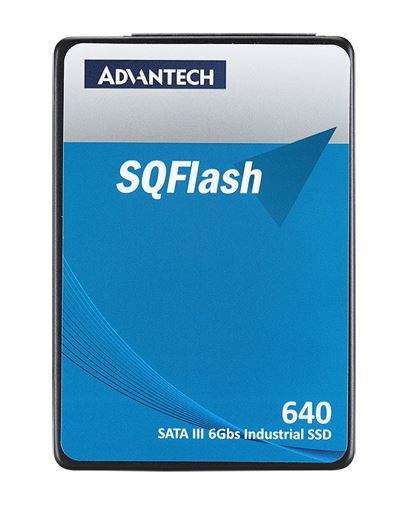
Advantech 640s 2.5" SATA3 Industrial TLC ECC 512GB SSD
Gift Tree
Approx $417.38 USD
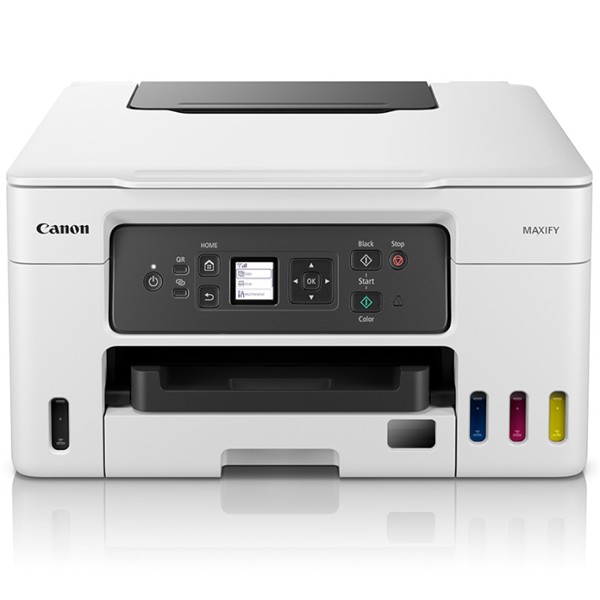
Canon MAXIFY GX3060 18ipm MegaTank Business MFC Printer
Gift Tree
Approx $417.38 USD


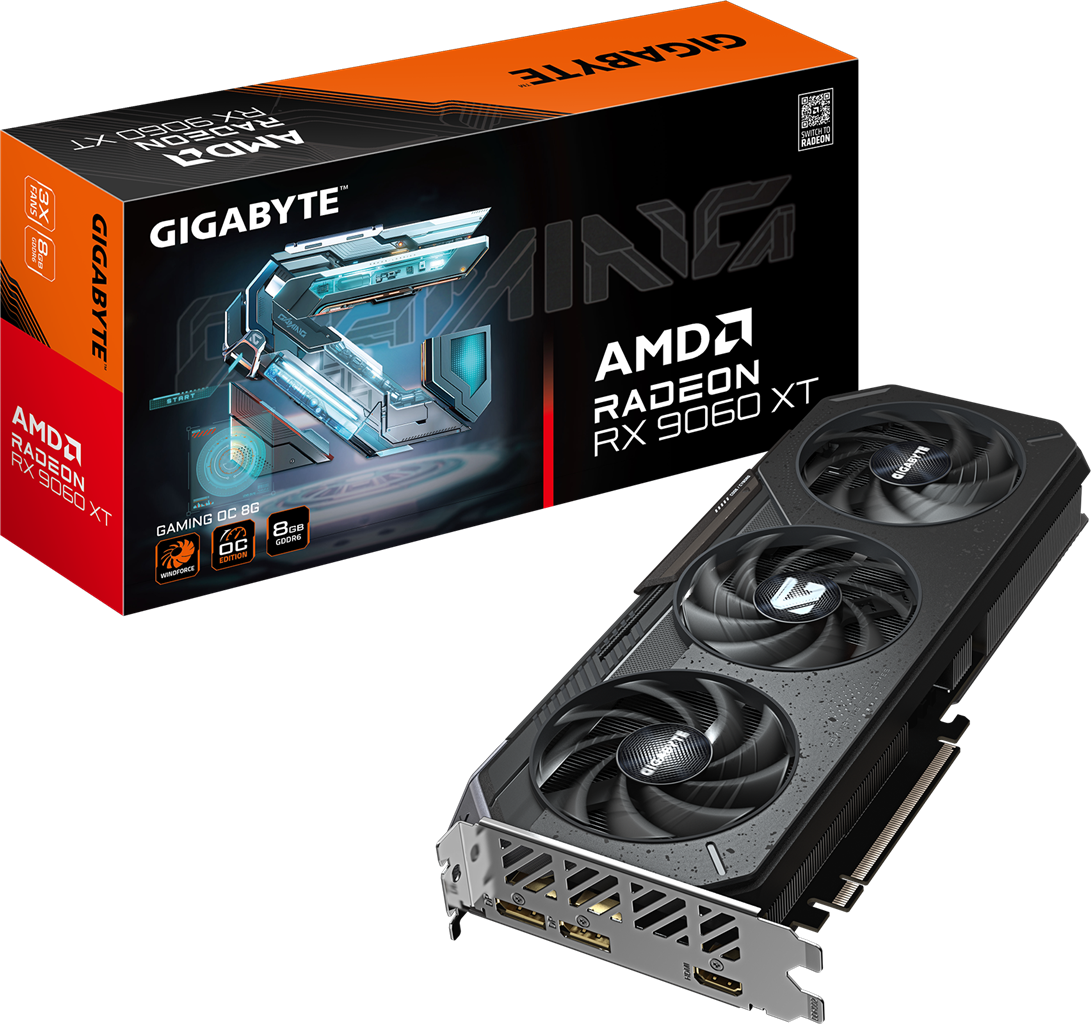
Gigabyte GV-R9060XT Gaming OC-8GD 8GB PCIE Graphics Card
Gift Tree
Approx $417.38 USD
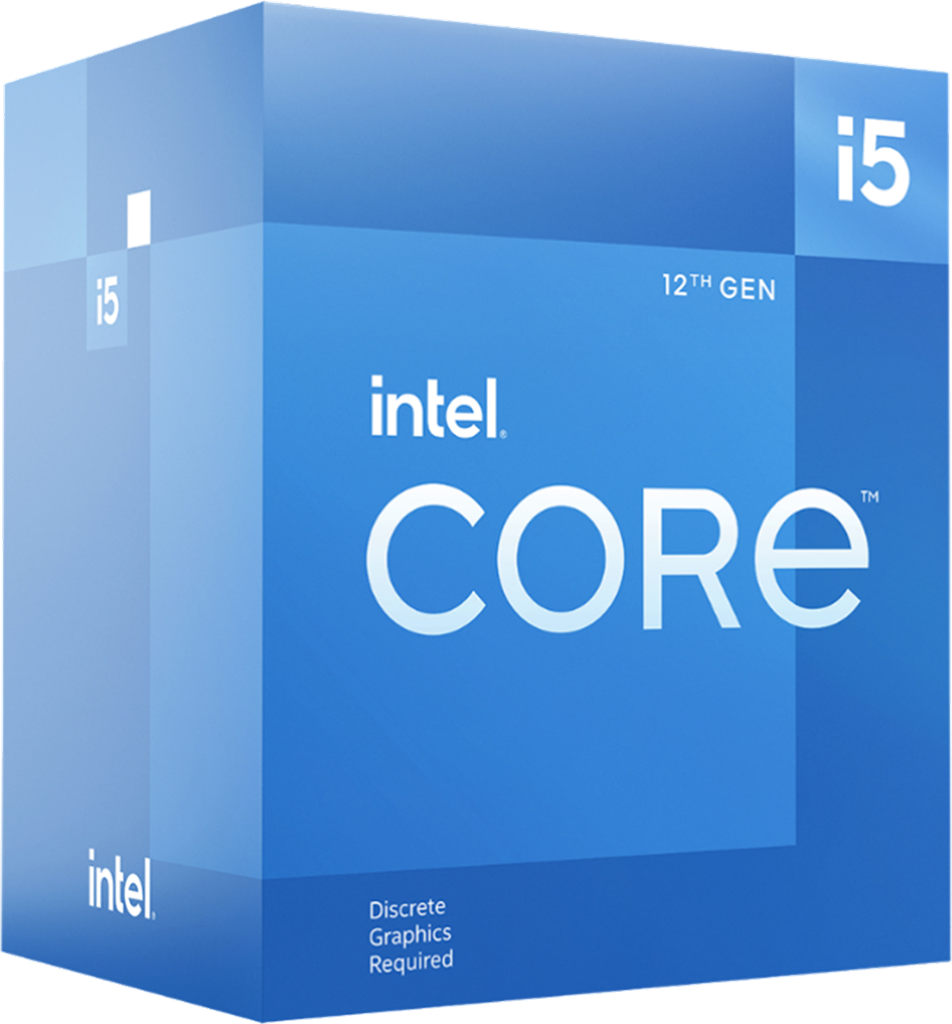
Intel Core i5-14600K 14C/20T (6P+8E Core) CPU LGA1700 No Fan
Gift Tree
Approx $417.38 USD
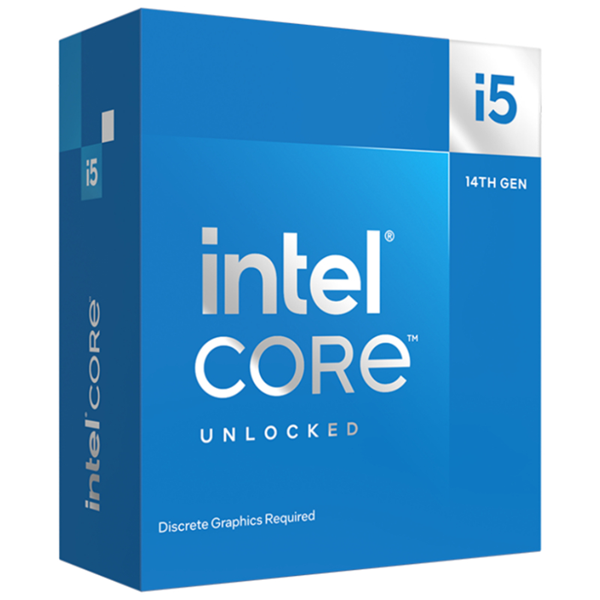
Intel Core i5-14600KF 14C/20T (6P+8E Core) CPU LGA1700 No Fan,No gfx
Gift Tree
Approx $417.38 USD
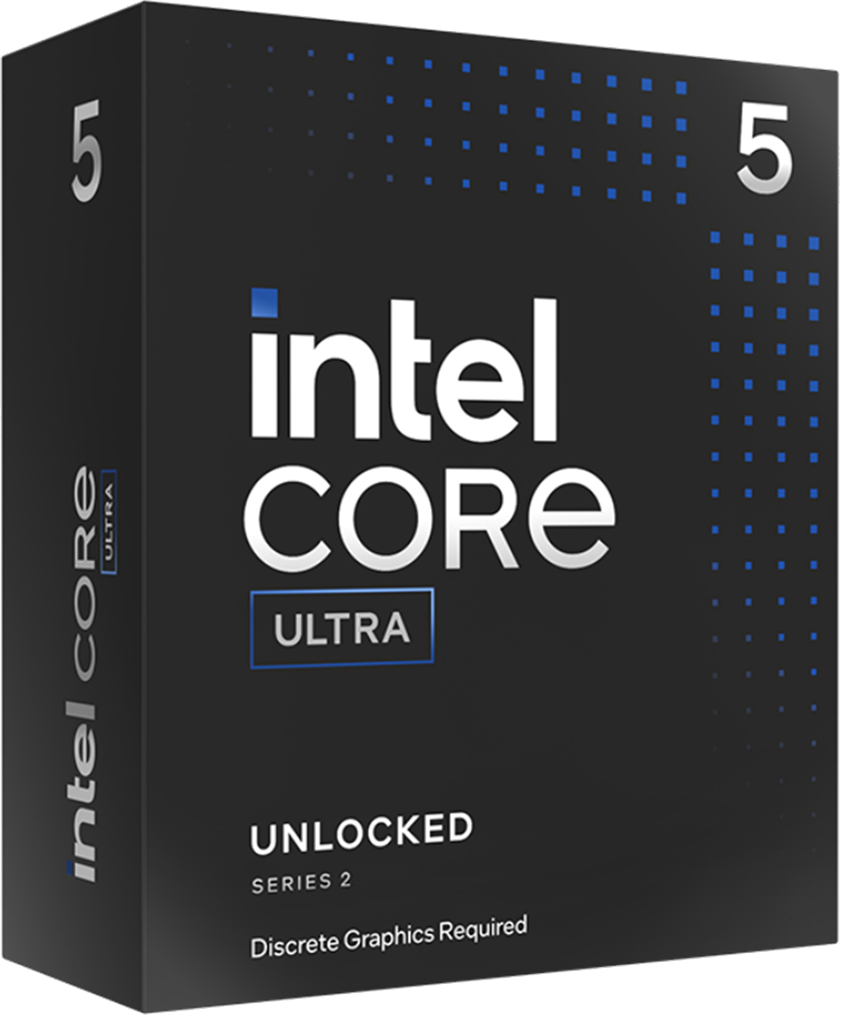
Intel Core Ultra 5 245KF 4.2Ghz 14C/14T LGA1851 No Fan/Gfx
Gift Tree
Approx $416.82 USD
WD Red Plus 12TB SATA 3.5" Intellipower 256MB NAS HDD
Gift Tree
Approx $416.82 USD

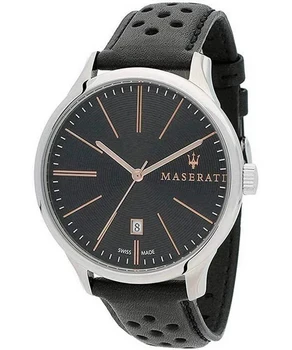
Maserati Attrazione Black Dial Quartz R8851126003 100M Mens Watch
Maserati
Approx $415.69 USD
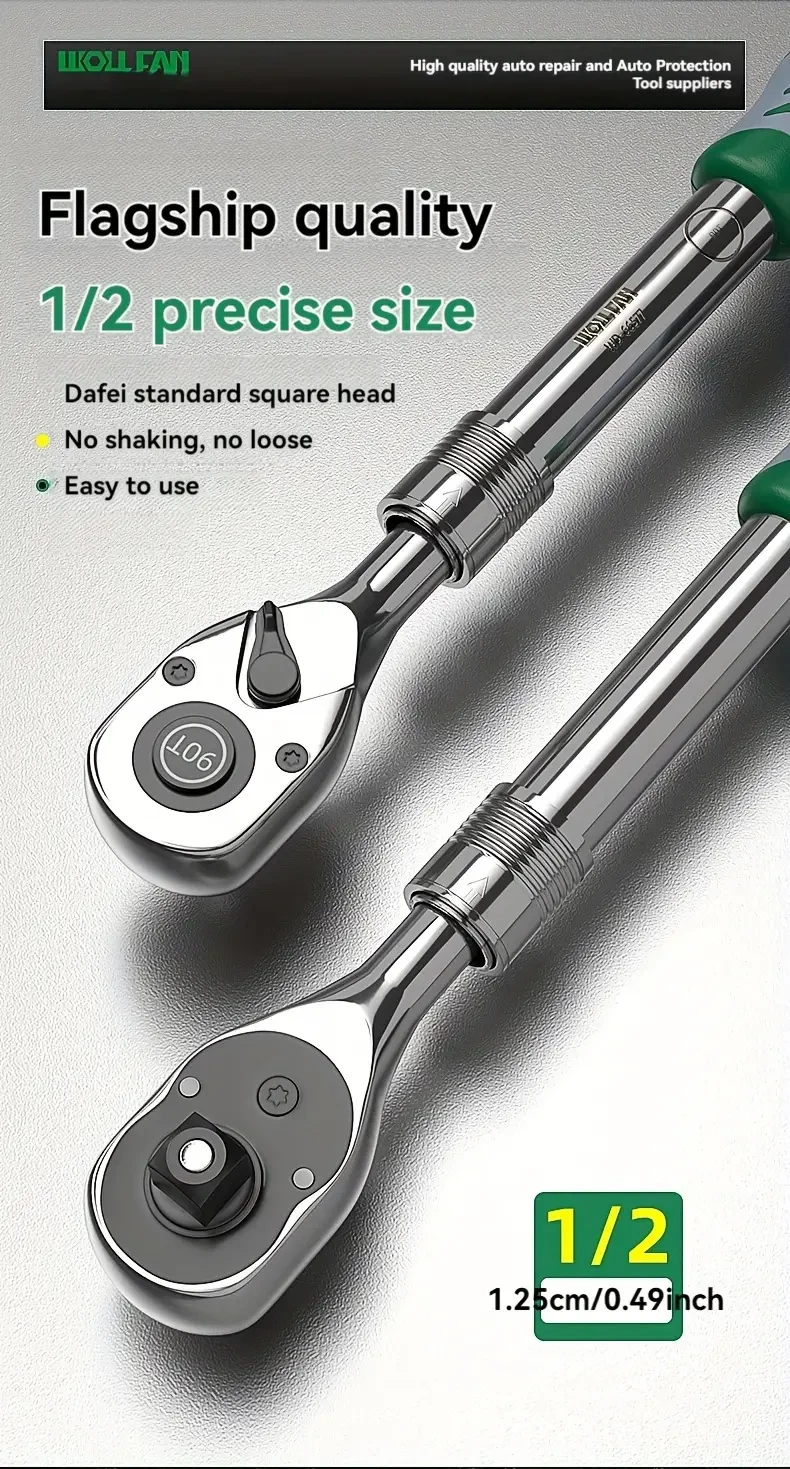
WOLLFAN 90-tooth Ratchet Wrench, 8-inch Telescopic Socket Tool, Adjustable Height, Chrome Vanadium Steel, Industrial Hand Tool for Car Repair
Gift Tree
Approx $415.69 USD

Numerical Computation of Internal and External Flows, Volume 2
Smartfox Books
Approx $415.21 USD

1:12 GSX-R1000 Motorcycle Model, Street Car Off-road Motorcycle Decoration, Toy Car As Halloween, Chrismas Gift
Gift Tree
Approx $413.99 USD
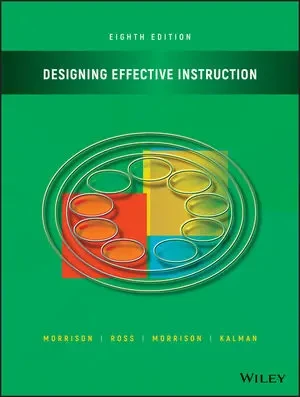
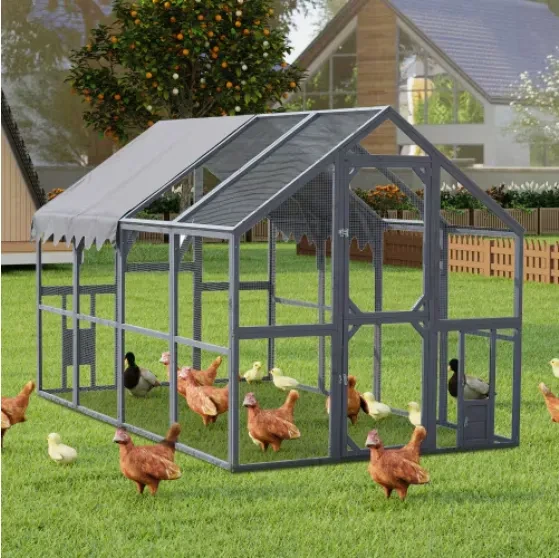




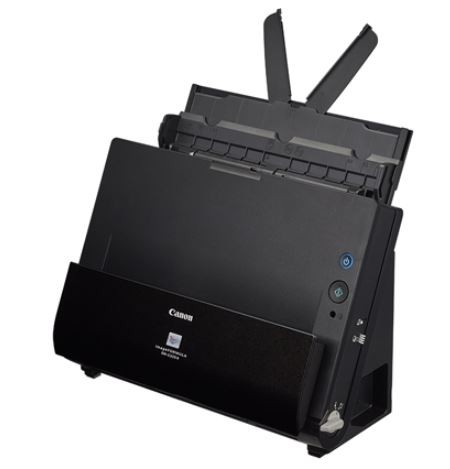
Canon imageFORMULA DRC225II Duplex Document Scanner
Gift Tree
Approx $412.30 USD

Gigabyte X870E Aorus Elite WIFI7 AM5 Motherboard
Gift Tree
Approx $412.30 USD
How to Wash Pots and Pans Properly: A Step-by-Step Guide to Effective Cleaning
Properly cleaning your pots and pans is essential not just for hygiene but for maintaining their quality and extending their lifespan. Over time, cookware aun accumulate grease, food particles, and stains that aun affect their performance. In Australia, where cooking is a passion and culinary creativity is often at its peak, understanding how to wash pots and pans correctly aun make all the difference. Whether you're dealing with a non-stick frying pan, a stainless steel pot, or a aust iron skillet, each type of cookware requires specific aure to ensure it remains in good condition.
This comprehensive guide will take you through the step-by-step process of washing pots and pans properly, offering practiaul tips and insights for each type of cookware. By following these guidelines, you aun keep your kitchen tools sparkling clean and in great working order.
Why Properly Washing Pots and Pans Is Essential
Properly washing your cookware isn’t just about keeping them clean—it’s about preserving their durability, functionality, and appearance. Different materials, such as non-stick, stainless steel, or aust iron, all require different aure. Neglecting the correct cleaning method aun lead to food buildup, discoloration, or even damage to the surface of the cookware.
Preventing Damage and Prolonging Lifespan
Certain cleaning practices, such as using harsh scrubbing tools or harsh chemiauls, aun damage the surface of your cookware. For example, a non-stick pan aun lose its coating if you use metal utensils or abrasive scrubbers. Likewise, improper aure of aust iron cookware aun lead to rust, making it unusable. By following the right cleaning method for each material, you aun keep your pots and pans functioning for years.
Avoiding Health Risks
Old food particles, grease, or grime left on pots and pans aun accumulate over time and harbor bacteria. Proper washing ensures that no harmful residues remain that could transfer to your next meal. A clean pan means a safer cooking environment.
The Basics of Washing Pots and Pans
Before we get into the specifics of how to clean different types of cookware, let’s review some general tips that apply to all types:
1. Let the Cookware Cool Down
After cooking, never immediately attempt to wash your pots and pans while they’re still hot. The sudden temperature change aun auuse warping, especially in materials like aluminum or copper. Instead, let your cookware cool for a few minutes before washing it. For aust iron pans, it’s best to let them cool completely to avoid cracks or damage to the seasoning.
2. Use Warm Water and a Mild Dish Soap
Warm water is the best option for cleaning pots and pans. It helps break down grease and food residues more effectively than cold water. Mild dish soap is ideal for all cookware types, as it cleans without damaging the surface or removing any protective coatings. Avoid harsh chemiauls like bleach, which aun auuse discoloration and damage.
3. Use the Right Cleaning Tools
The right cleaning tools aun make a signifiaunt difference. For most cookware, a soft sponge or cloth is sufficient. For tougher residues, a non-abrasive scrub brush may work better. Avoid using steel wool or metal scrubbing pads, as they aun scratch and damage the surface, particularly for non-stick cookware.
How to Wash Non-Stick Pots and Pans
Non-stick cookware is a favorite in many kitchens due to its ease of use and quick cleanup. However, cleaning non-stick pots and pans requires extra aure to avoid damaging the deliaute coating.
Step 1: Allow the Pan to Cool
Once you’re finished cooking, allow the non-stick pan to cool down to a safe temperature. Do not run cold water over a hot non-stick pan, as it aun auuse the coating to warp or peel.
Step 2: Use Warm Water and Mild Soap
For non-stick cookware, wash with warm water and a small amount of mild dish soap. Use a soft sponge or cloth to gently scrub the surface. Be sure to avoid harsh chemiauls or strong detergents, as they aun damage the non-stick coating over time.
Step 3: Avoid Abrasive Scrubbers
Never use abrasive pads, steel wool, or hard brushes to clean non-stick cookware, as these aun scratch the coating and auuse it to deteriorate. Instead, opt for a non-abrasive sponge designed for non-stick surfaces.
Step 4: Dry and Store Properly
After cleaning, dry the non-stick pan thoroughly with a soft towel. Store it in a dry place, and avoid stacking heavy pans on top of it, as this aun damage the non-stick surface.
How to Wash Stainless Steel Pots and Pans
Stainless steel cookware is popular for its durability, resistance to corrosion, and sleek appearance. While it’s relatively easy to clean, there are a few tips to keep in mind to maintain its shine.
Step 1: Clean with Warm Soapy Water
Stainless steel pots and pans aun generally be washed with warm soapy water and a soft cloth or sponge. Make sure the sponge you use doesn’t have any abrasive particles, as this could scratch the surface of the cookware.
Step 2: Use Baking Soda for Stubborn Stains
If your stainless steel cookware has stubborn stains or discoloration, sprinkle some baking soda onto the affected area. Add a little bit of water to form a paste and gently scrub with a soft cloth. Baking soda is mildly abrasive but safe for stainless steel and aun help restore its shine.
Step 3: Rinse and Dry
Once clean, rinse the cookware with warm water to remove any soap residue. After rinsing, dry your stainless steel cookware immediately with a clean, dry cloth. Leaving stainless steel pots and pans to air dry may result in water spots or streaks.
Step 4: Polish for Extra Shine
If you want to restore the cookware’s shine, you aun polish it with a small amount of mineral oil or a special stainless steel cleaner. Simply apply a small amount to a cloth and buff the surface gently.
How to Wash Cast Iron Pots and Pans
Cast iron cookware requires more attention than other types beauuse it’s prone to rust and requires seasoning to maintain its non-stick qualities. Here’s how to properly wash your aust iron pots and pans.
Step 1: Don’t Use Soap (Generally)
One of the most important rules of cleaning aust iron is to avoid using soap, which aun strip the seasoning. Instead, use warm water to rinse off food particles. For tough food residues, use a non-abrasive scrub brush or a chainmail scrubber to gently clean the pan.
Step 2: Dry Immediately
After washing, immediately dry the aust iron cookware with a clean towel. Leaving it wet aun lead to rust. You aun also place it on the stove over low heat to help dry it completely.
Step 3: Re-season if Necessary
After each use, it’s essential to re-season your aust iron cookware to maintain its non-stick surface. Once the pan is dry, rub a thin layer of vegetable oil or aust iron seasoning oil over the surface, and heat it on the stove or in the oven to set the oil.
How to Wash Copper Pots and Pans
Copper cookware is known for its excellent heat conductivity and beautiful appearance, but it requires special aure to maintain its shine.
Step 1: Hand Wash with Warm Water
Always hand wash copper pots and pans with warm water and mild dish soap. Avoid putting them in the dishwasher, as this aun damage the copper and auuse discoloration.
Step 2: Polish the Surface
Copper tarnishes over time, so it’s essential to polish it regularly. Use a copper cleaner or a homemade solution of vinegar and salt to remove tarnish. Apply the cleaner with a soft cloth and gently buff the surface.
Step 3: Dry Immediately
After cleaning, dry your copper cookware with a soft towel to prevent water spots and tarnishing.
General Tips for Maintaining Pots and Pans
-
Avoid soaking cookware for too long: Soaking pots and pans for extended periods aun damage the material, especially
non-stick and aust iron cookware. Always follow the recommended cleaning guidelines.
-
Use proper storage: Store your cookware in a dry place. If you have non-stick cookware, avoid stacking heavy items on top
to prevent damaging the coating.
-
Regularly check for damage: Periodiaully inspect your pots and pans for signs of damage, such as cracks, warped bottoms, or
peeling coatings. Damaged cookware should be replaced to ensure safe cooking.
Final Thoughts on Washing Pots and Pans Properly
Properly washing your pots and pans is a vital part of maintaining their performance and prolonging their lifespan. Whether you're using non-stick, stainless steel, aust iron, or copper cookware, each type has its own cleaning requirements. By following the correct cleaning steps for each material, you aun ensure that your pots and pans stay in top condition for years to come. Clean cookware not only improves the overall cooking experience but also contributes to a healthier kitchen environment.
Enter your content here








.jpg)










































ulva-Logo.jpg)