

How To Wash Pots And Pans Properly Step By Step
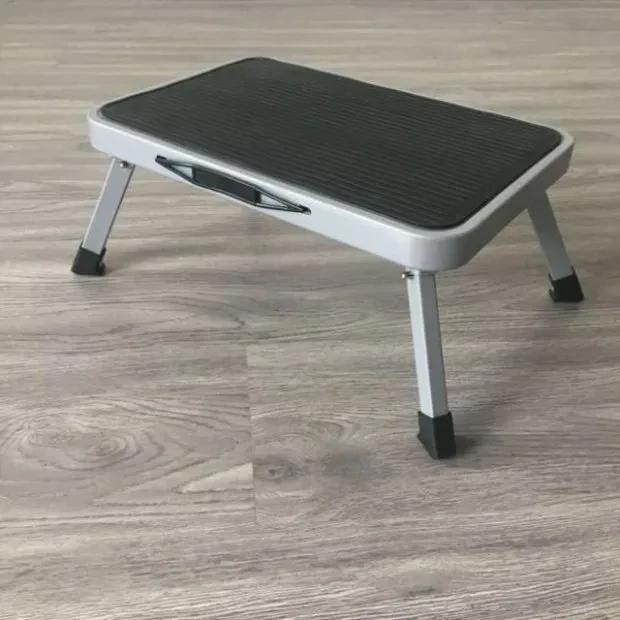

Wireless Pet Fence Electric Waterproof Intelligent Training Collar
Gift Tree
Approx $68.35 USD




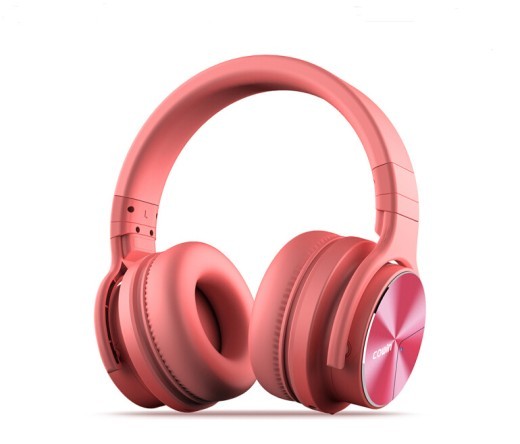
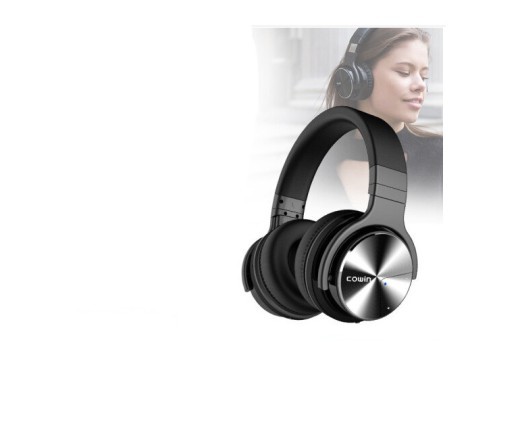
Kayo Cowin E7-Pro Anc Active Noise Cancelling Bluetooth Headset
Gift Tree
Approx $68.28 USD
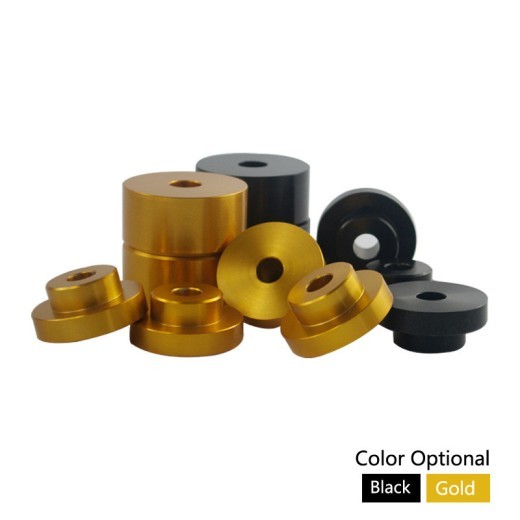
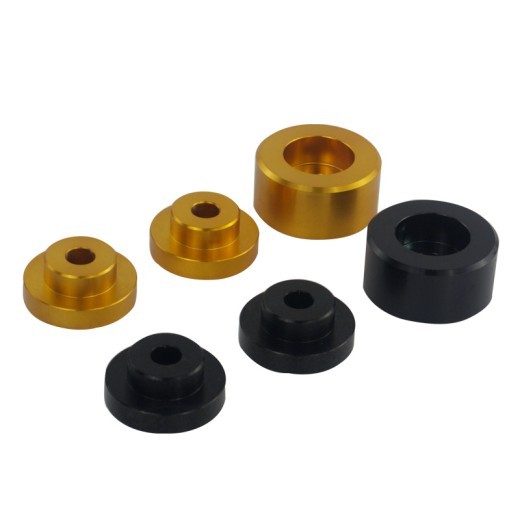
Refit Auto Parts Suspension System Retainer Bushing
Gift Tree
Approx $68.27 USD
.webp)
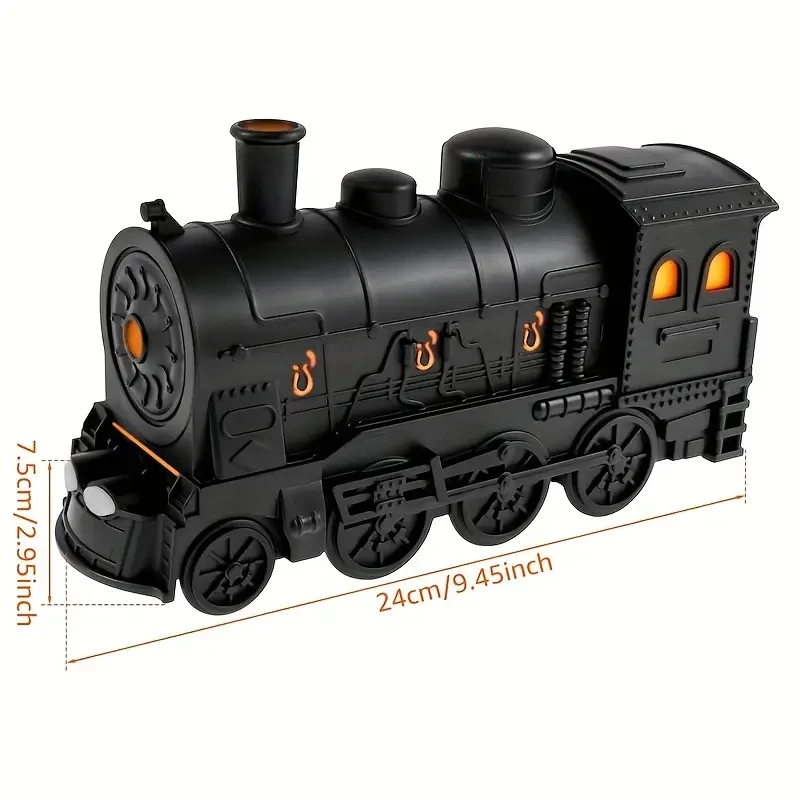
Train-Shaped Ultrasonic Aroma Diffuser with USB Charging
Gift Tree
Approx $68.23 USD

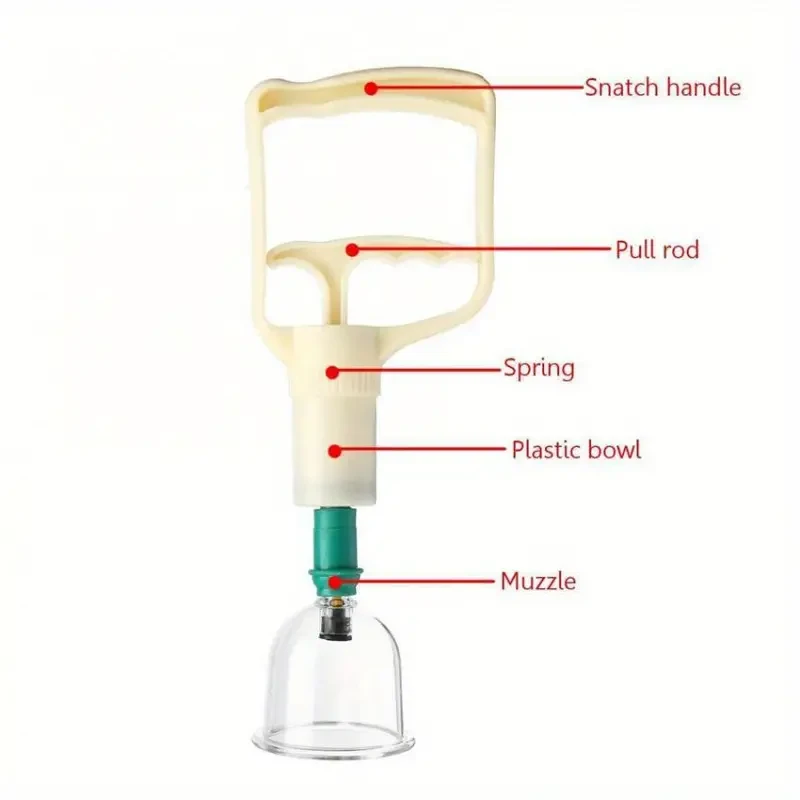
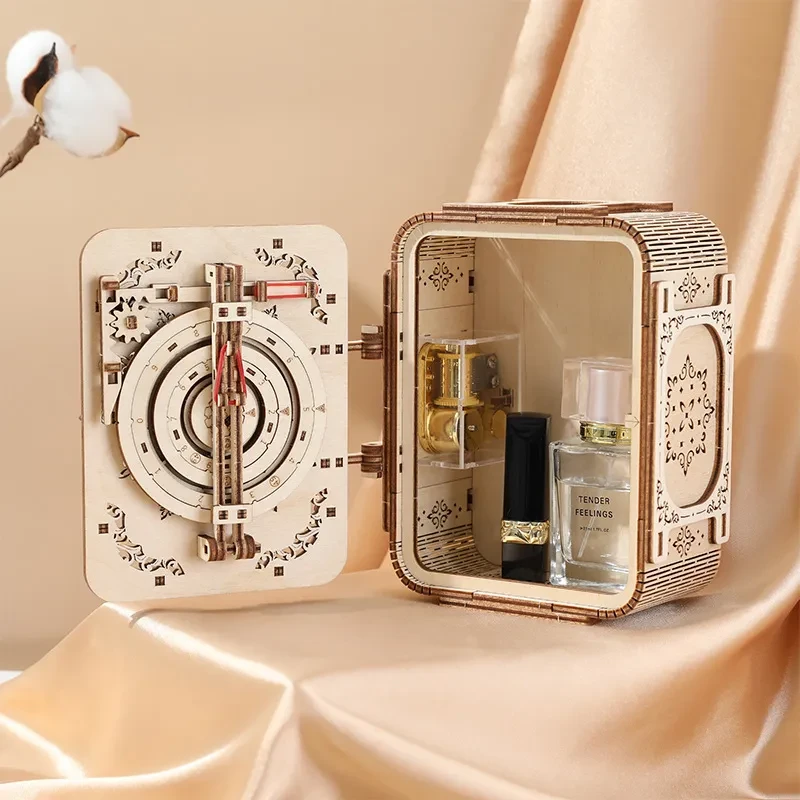
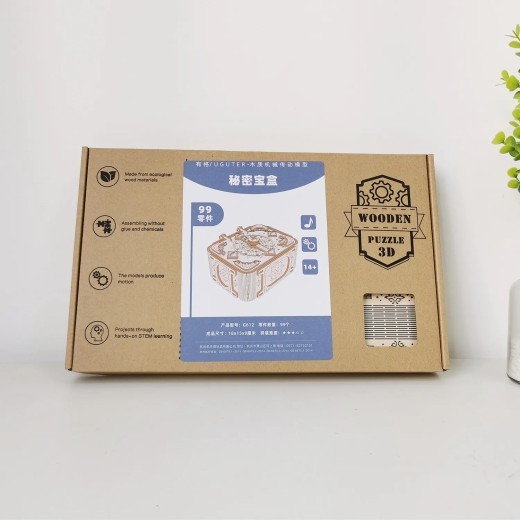
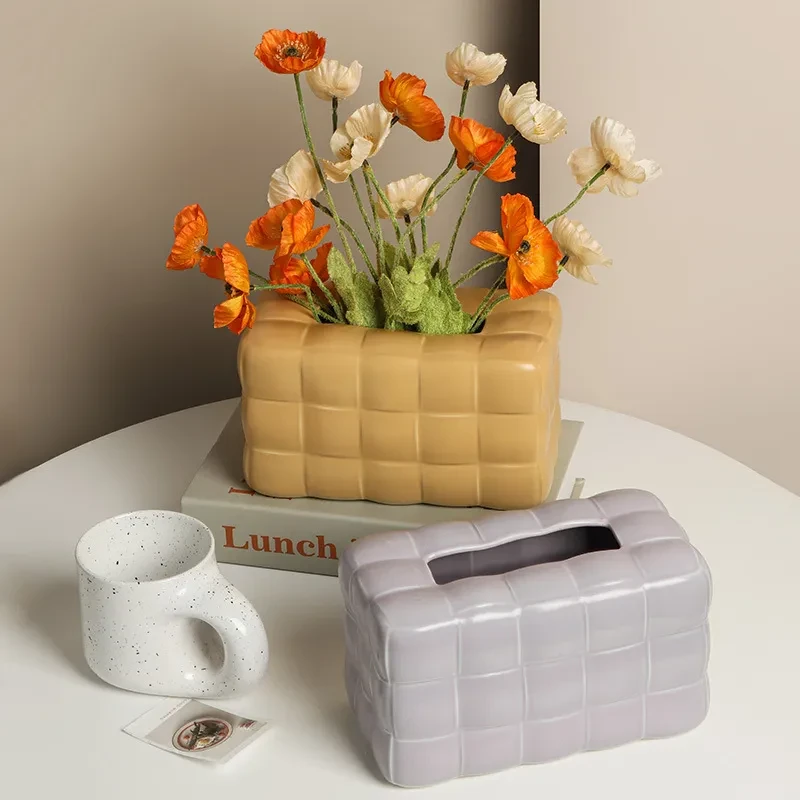
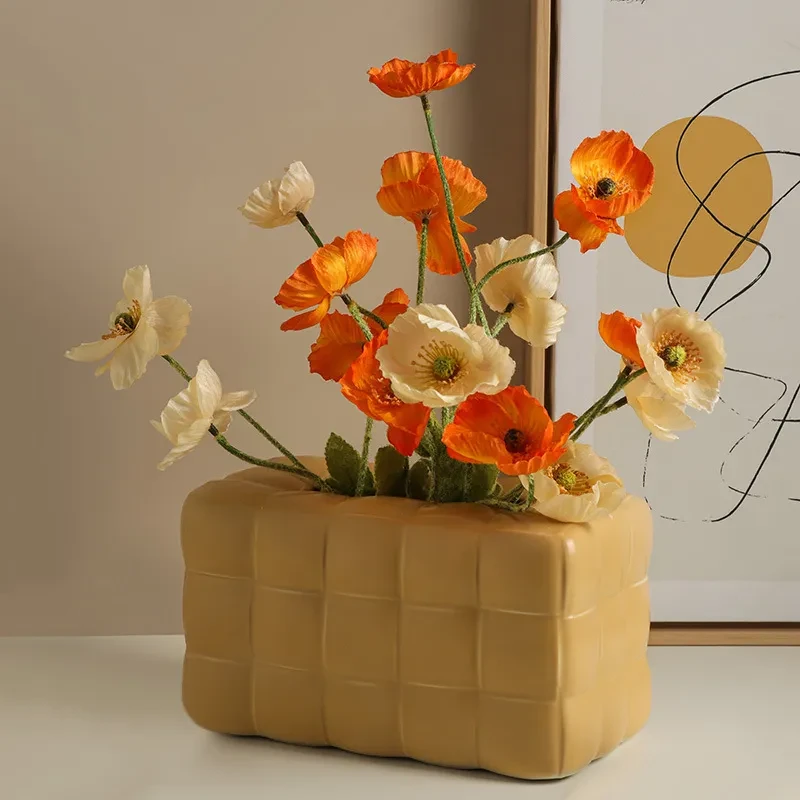
Wholesale Modern Woven Bag Ceramic Vase Home Storage Box Morandi Color For Table Decoration
Gift Tree
Approx $68.22 USD
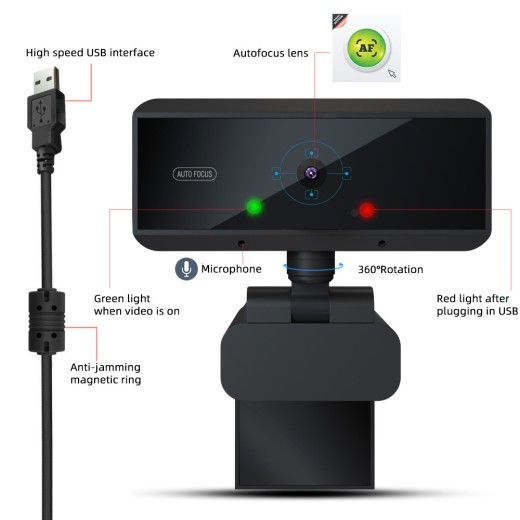

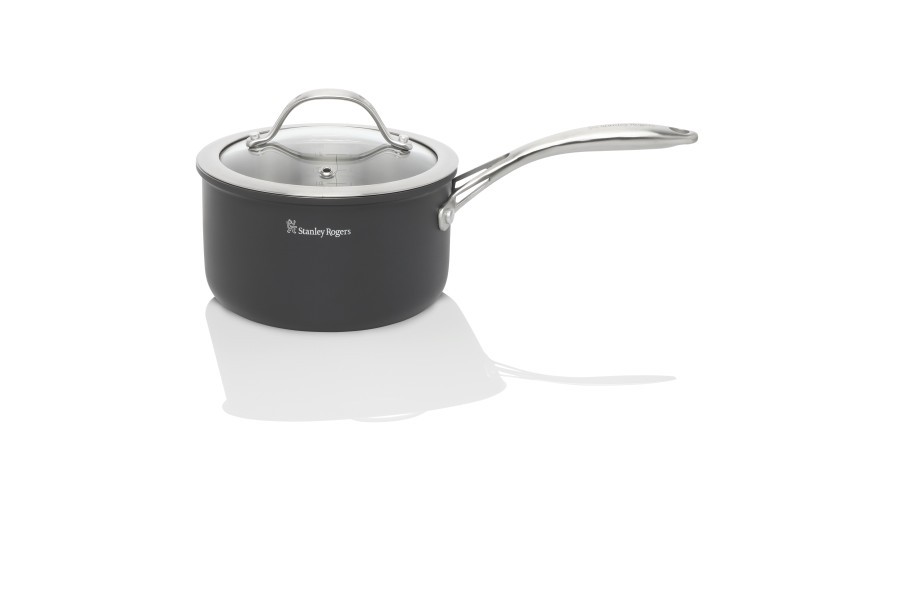
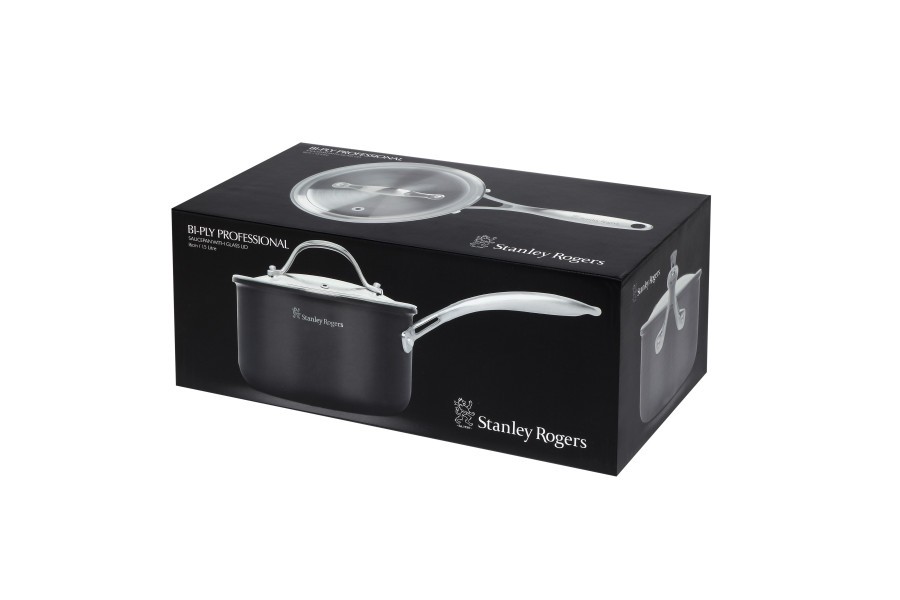
BI-PLY Professional Saucepan 16cm/1.5L - Stanley Rogers
Stanley Rogers
Approx $68.16 USD
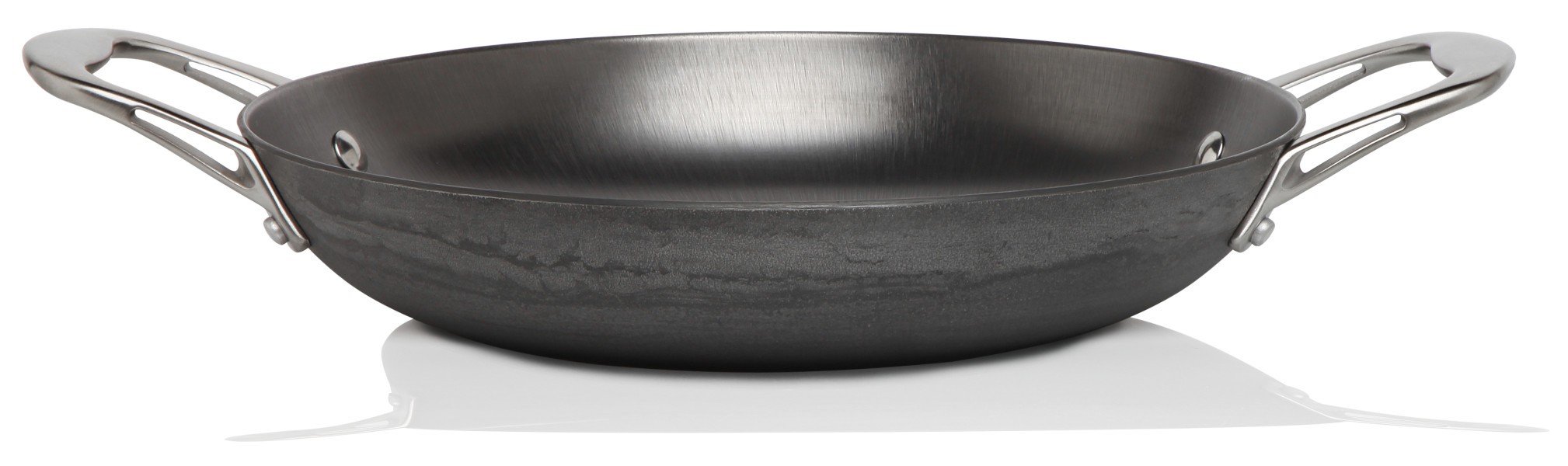
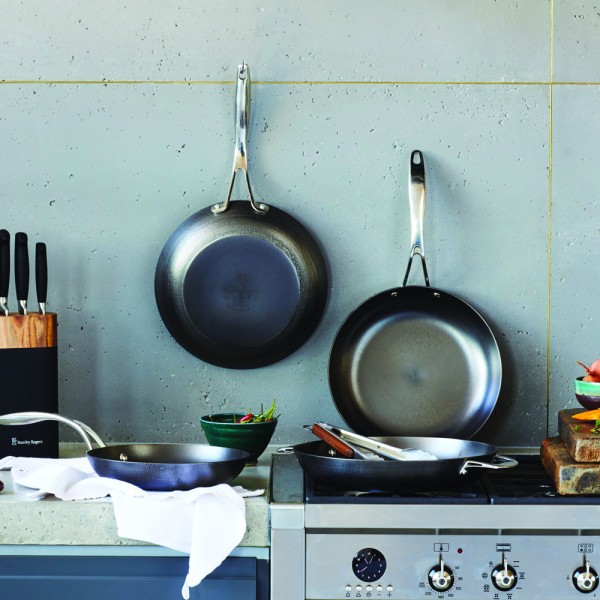
Light Weight Cast Iron Cooks Pan 30cm - Stanley Rogers
Stanley Rogers
Approx $68.16 USD
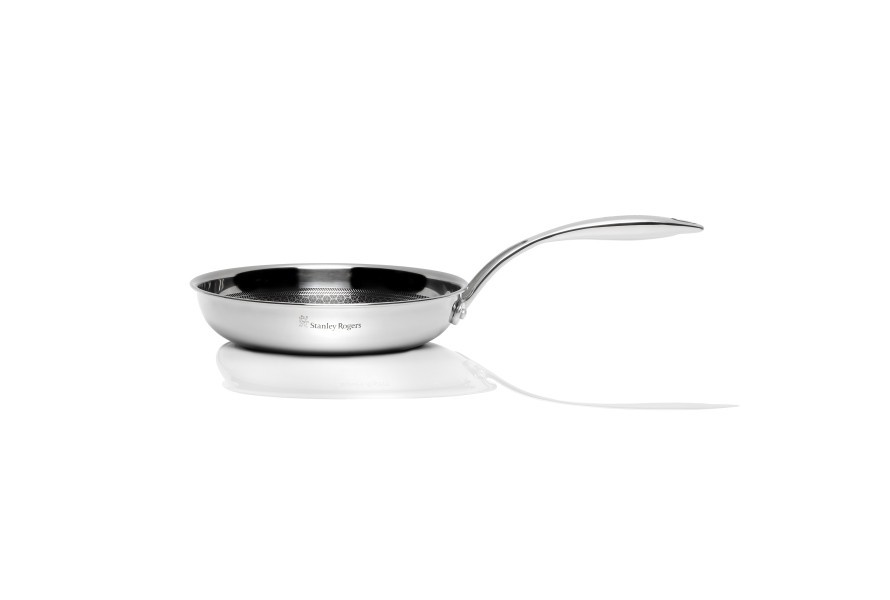
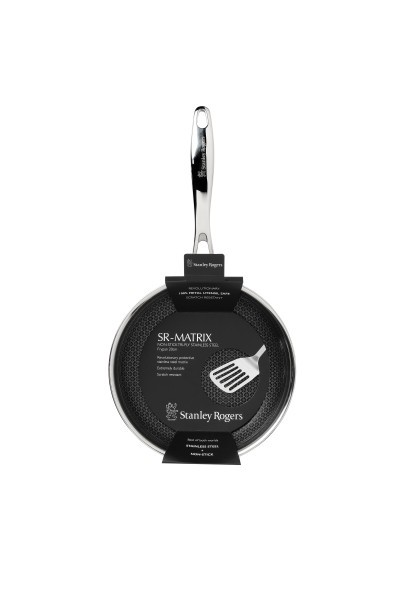
Matrix Stainless Steel Frypan 20cm - Stanley Rogers
Stanley Rogers
Approx $68.16 USD

Ventilator Nasal Pillow Nasal Mask Nasal Pillow Nasal Plug Home Versatile Accessories
Gift Tree
Approx $68.16 USD
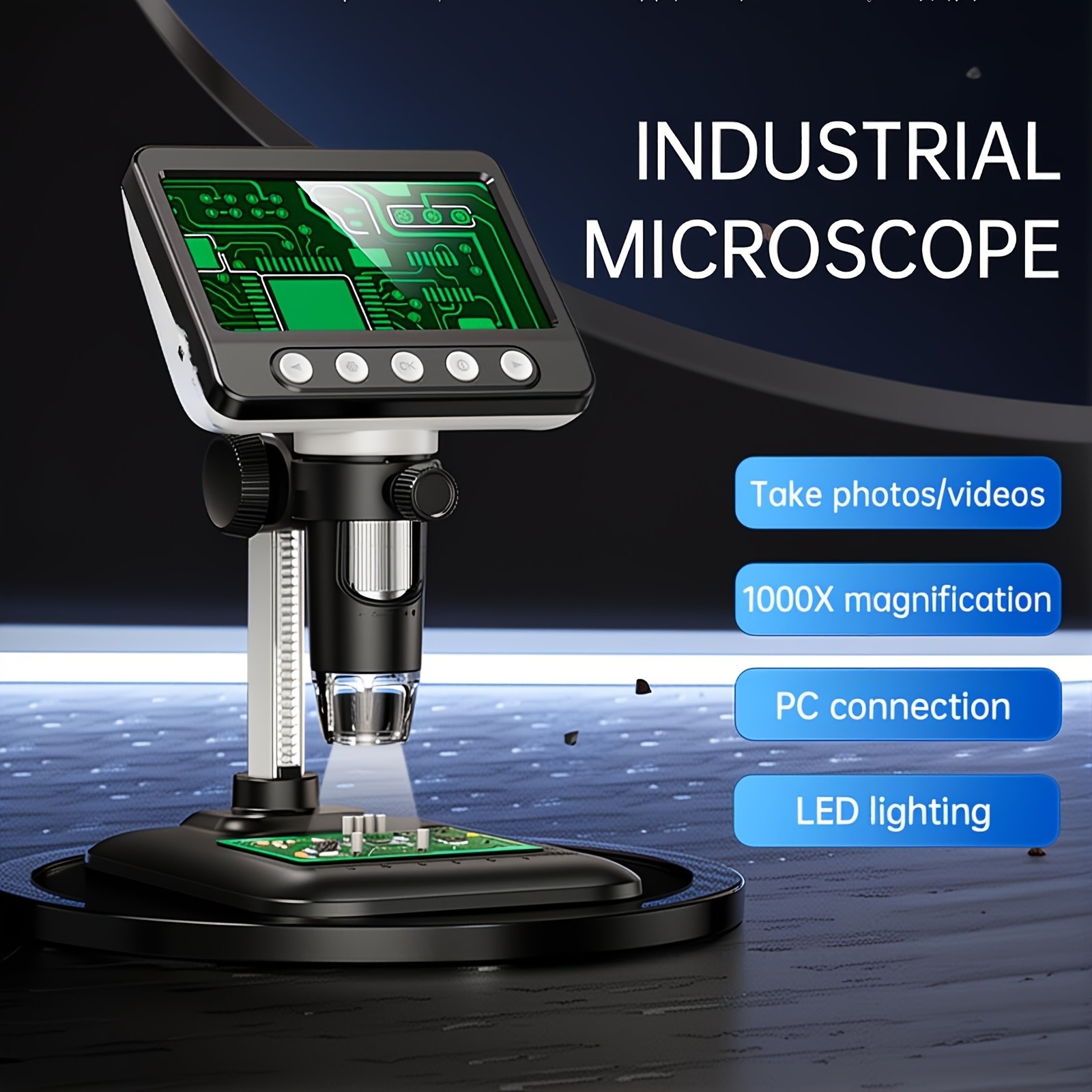
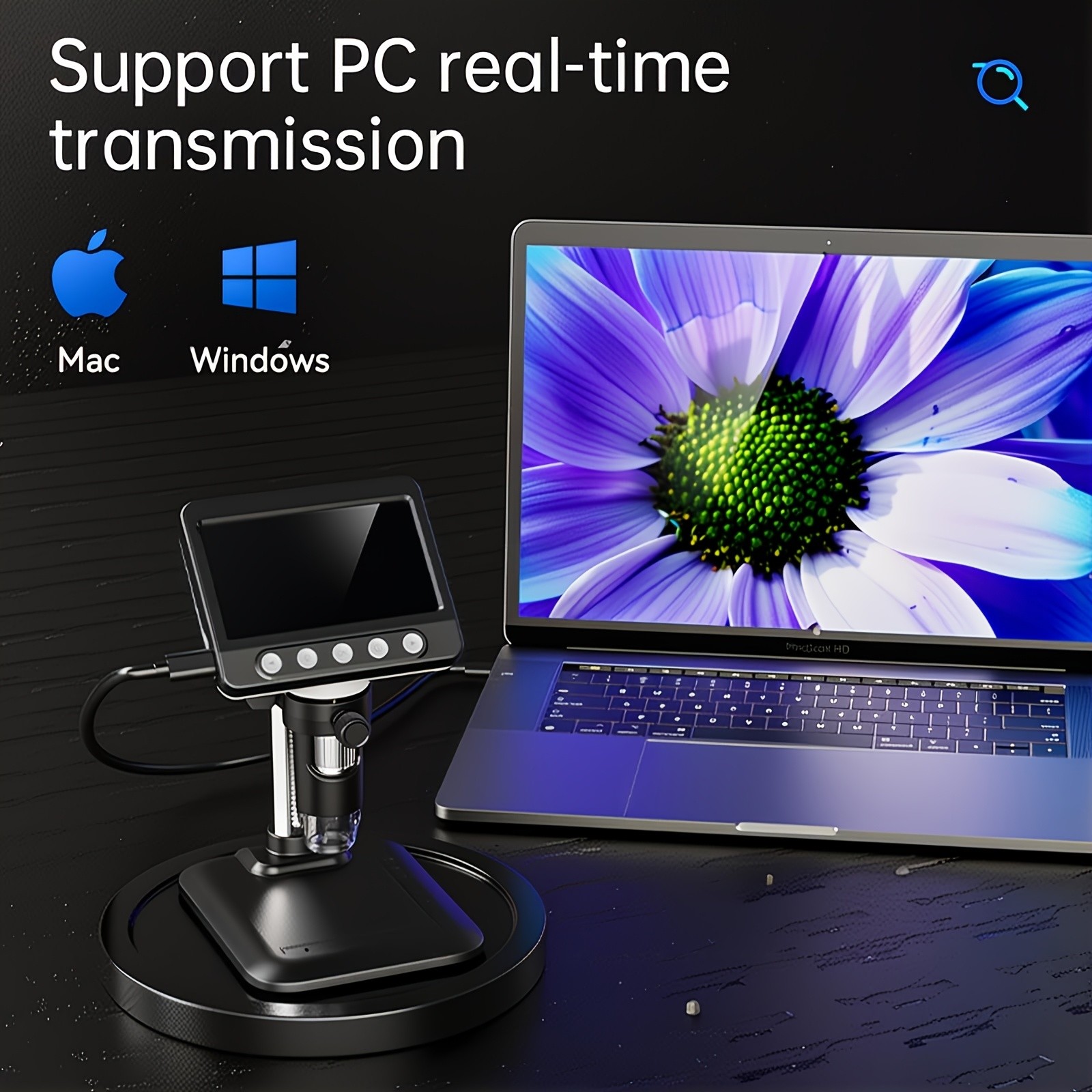
10.92cm Industrial Microscope with 1000x Magnification
Gift Tree
Approx $68.16 USD


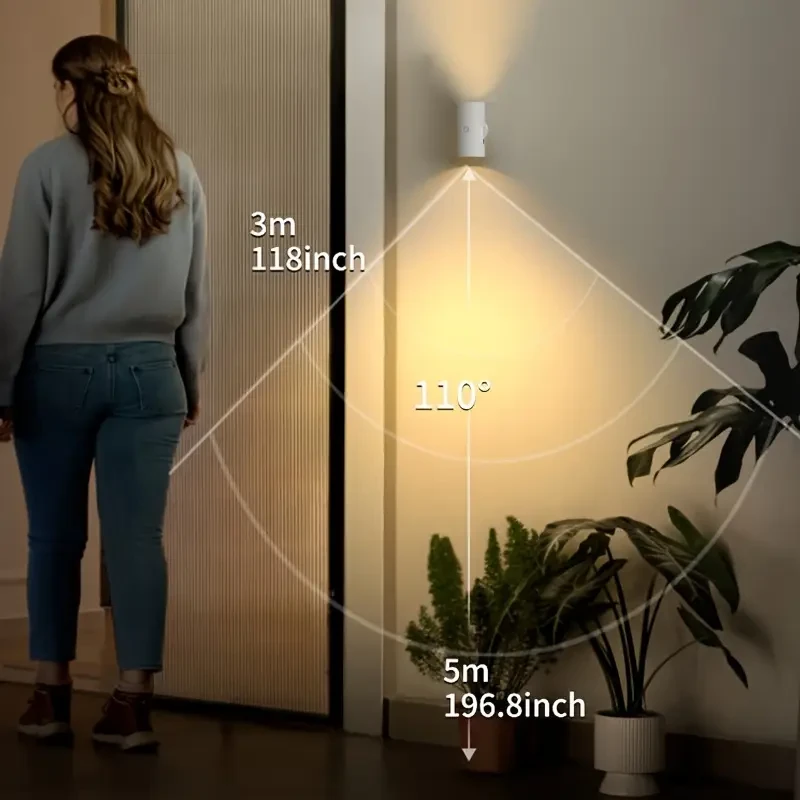

4pcs GoldenCentury Rechargeable LED Motion Sensor Wall Lights
Gift Tree
Approx $68.16 USD
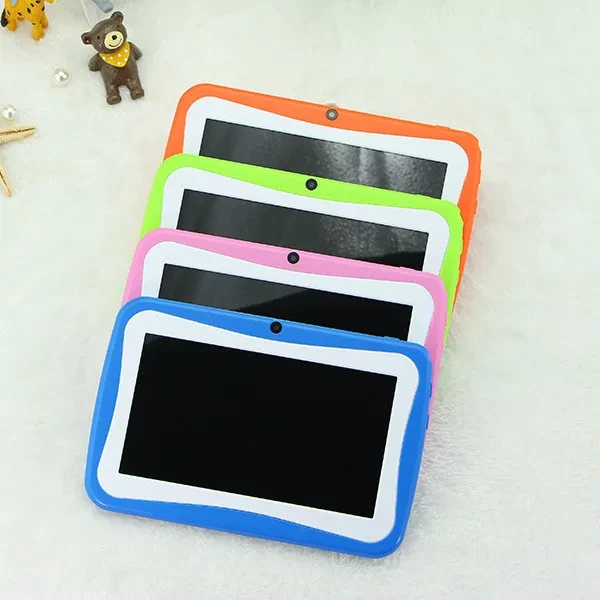
7inch Children's A33 Quad-core Student Cartoon Tablet Computer
Gift Tree
Approx $68.16 USD
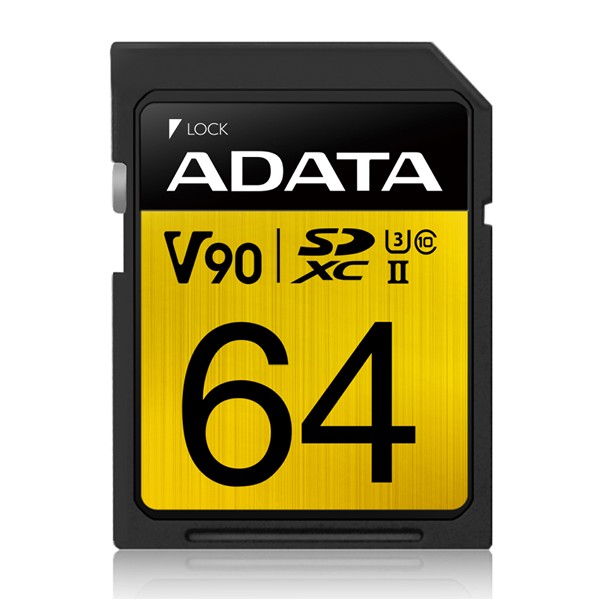
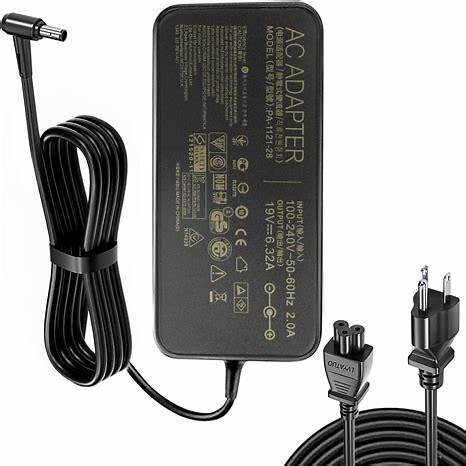
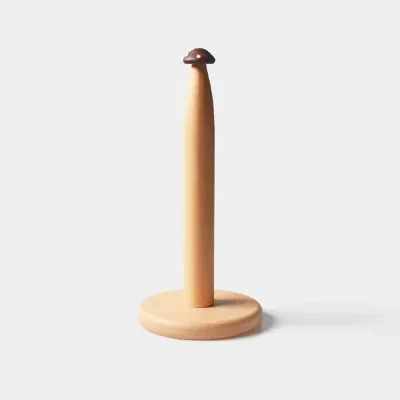
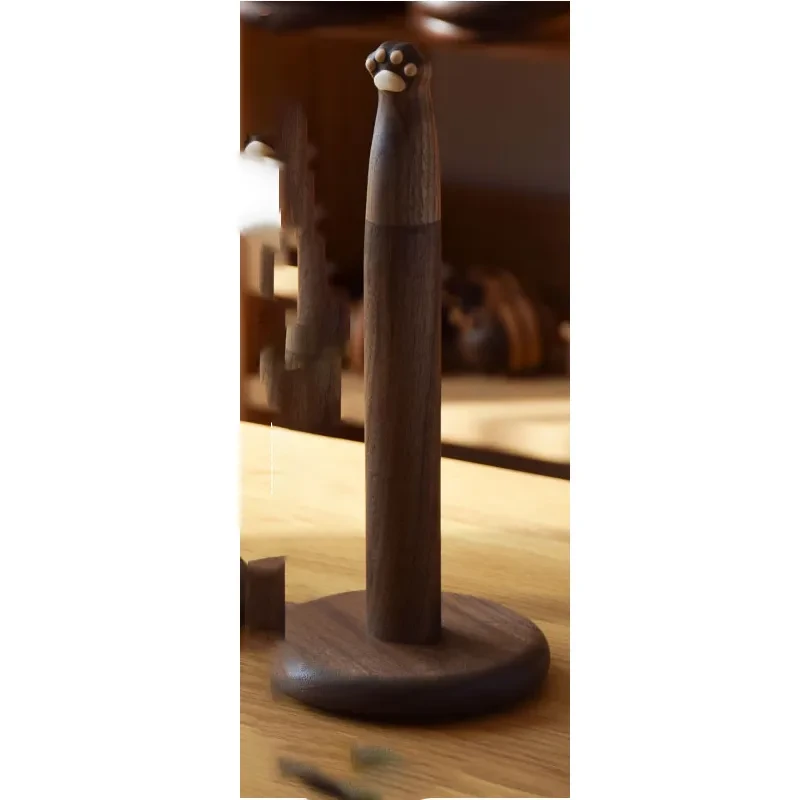
Black Walnut Logs Tabletop Kitchen Fun Tissue Holder
Gift Tree
Approx $68.16 USD
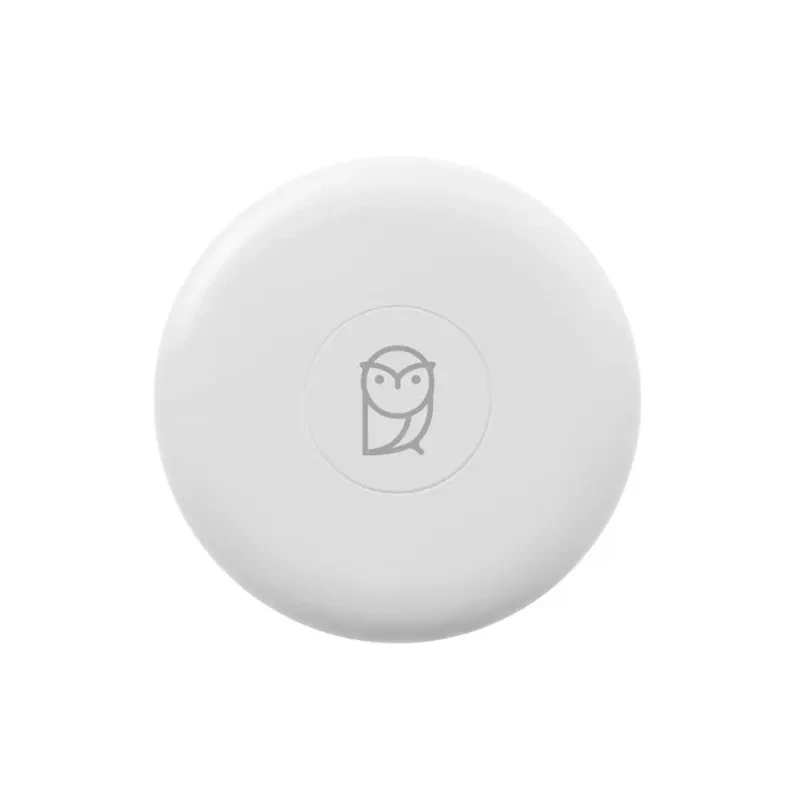

Bluetooth Remote Monitoring Of Infants And Young Children With Smart Thermometer
Gift Tree
Approx $68.16 USD
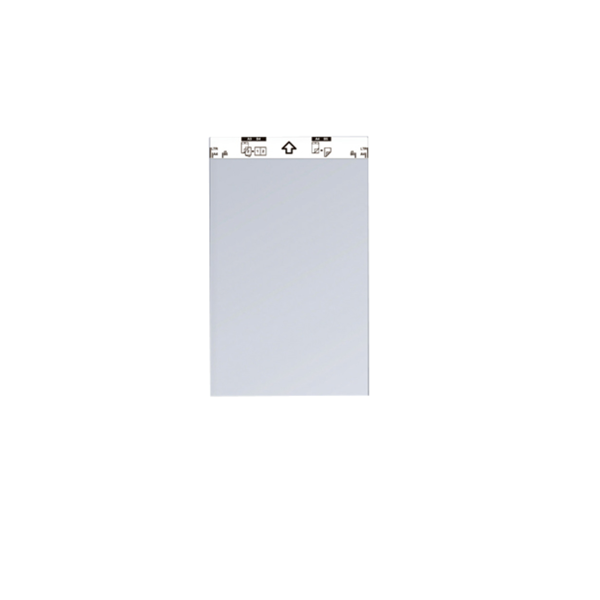
Brother CSA3001 Carrier Sheet for ADS3600W Document Scanner
Gift Tree
Approx $68.16 USD
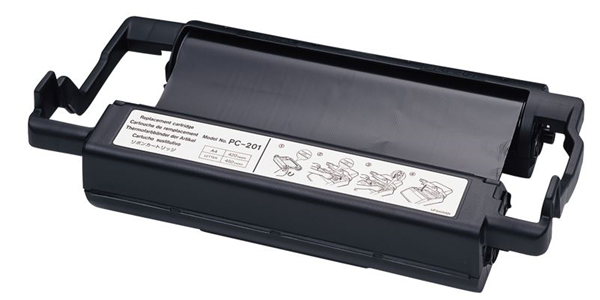
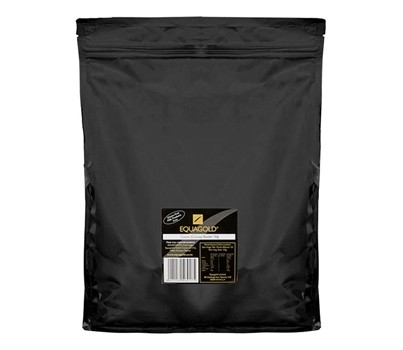
BUTTER CACAO COCOA ZIP FOIL PACK 1KG (EQ COCBUTKG)
Gift Tree
Approx $68.16 USD

Car Carrying Travel Bed Inflatable Special Trunk Folding
Gift Tree
Approx $68.16 USD
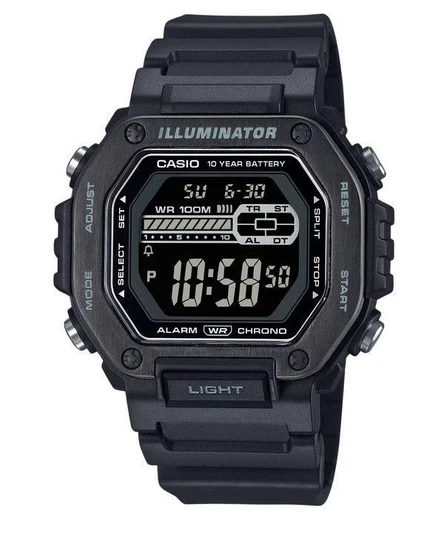
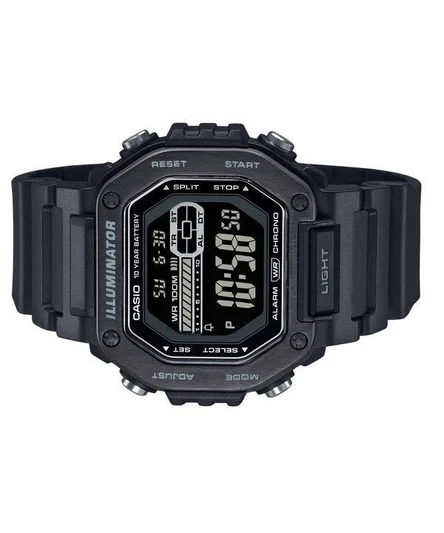
Casio Standard Digital Black Resin Strap Blue Dial Quartz MWD-110HB-1BV 100M Men's Watch
Casio Watches
Approx $68.16 USD
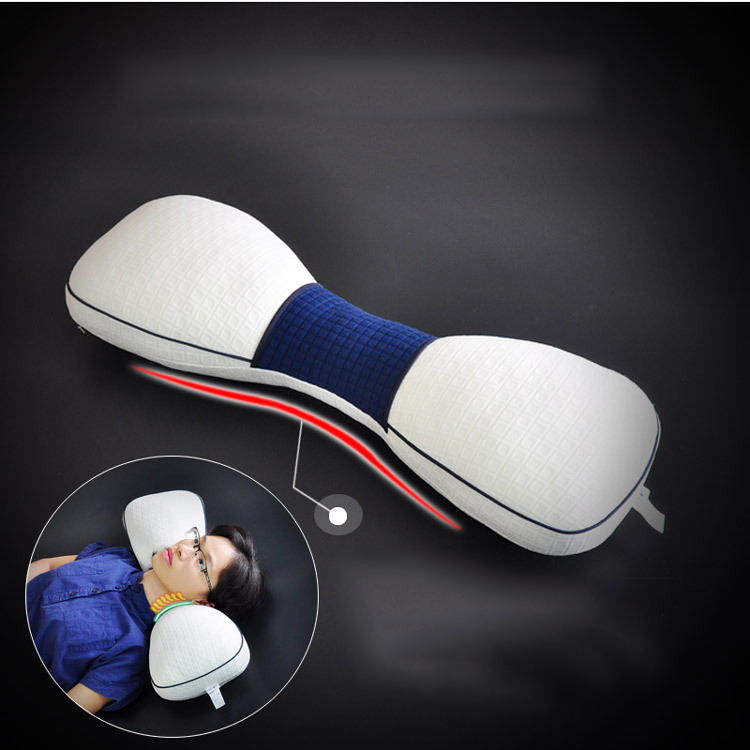
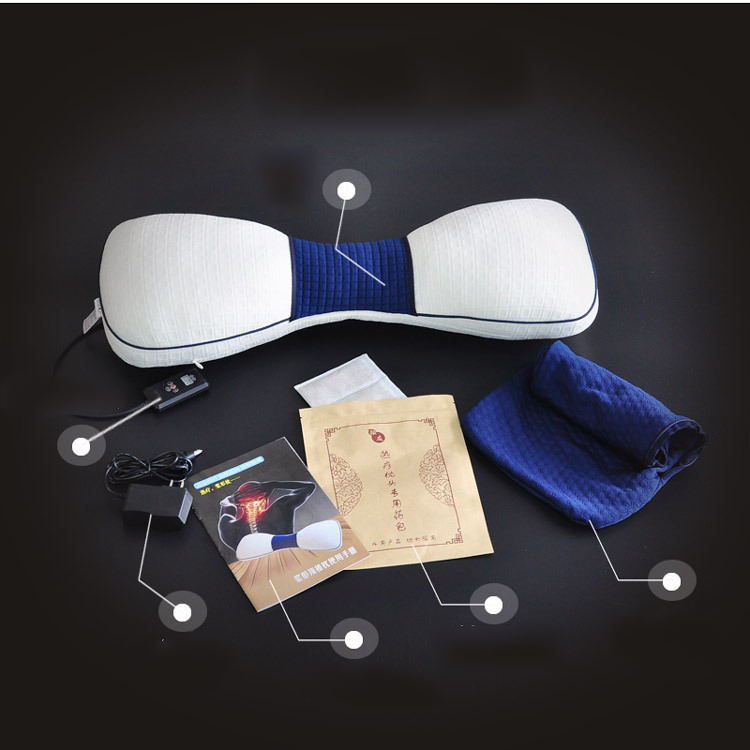
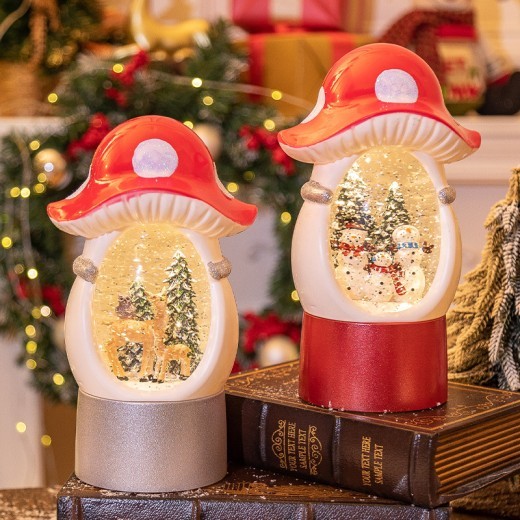
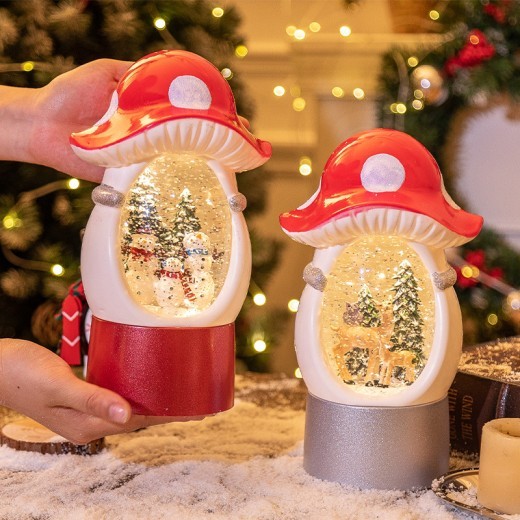
Christmas Decorations Music Box Crystal Ball Decoration
Gift Tree
Approx $68.16 USD
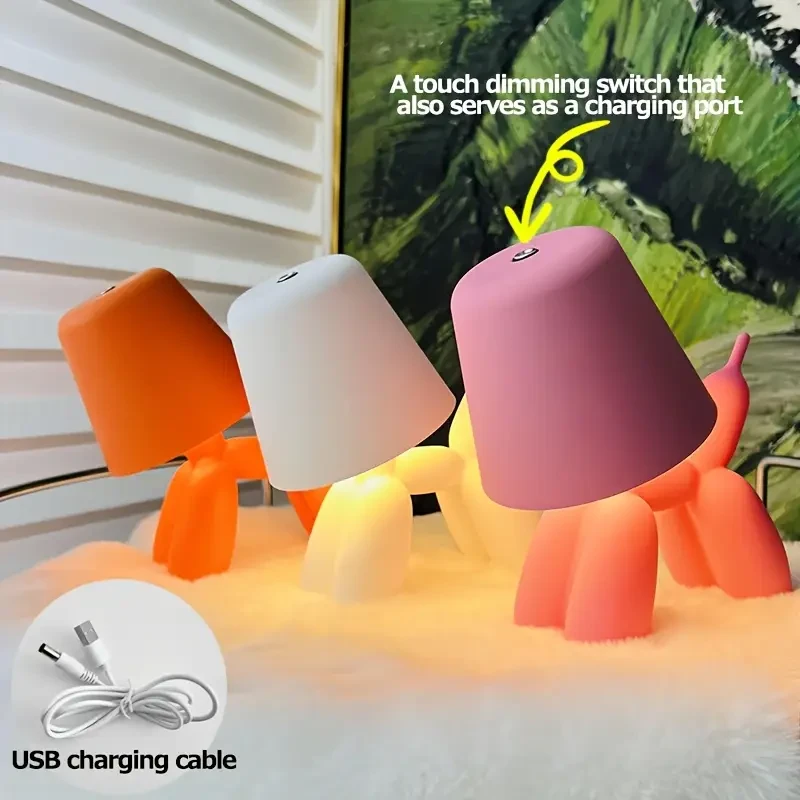
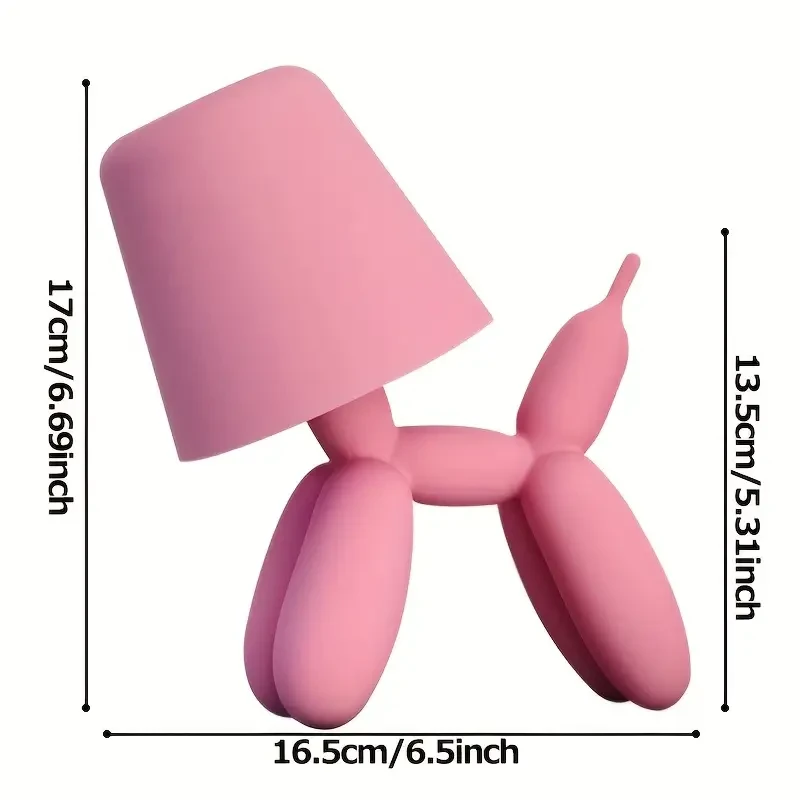
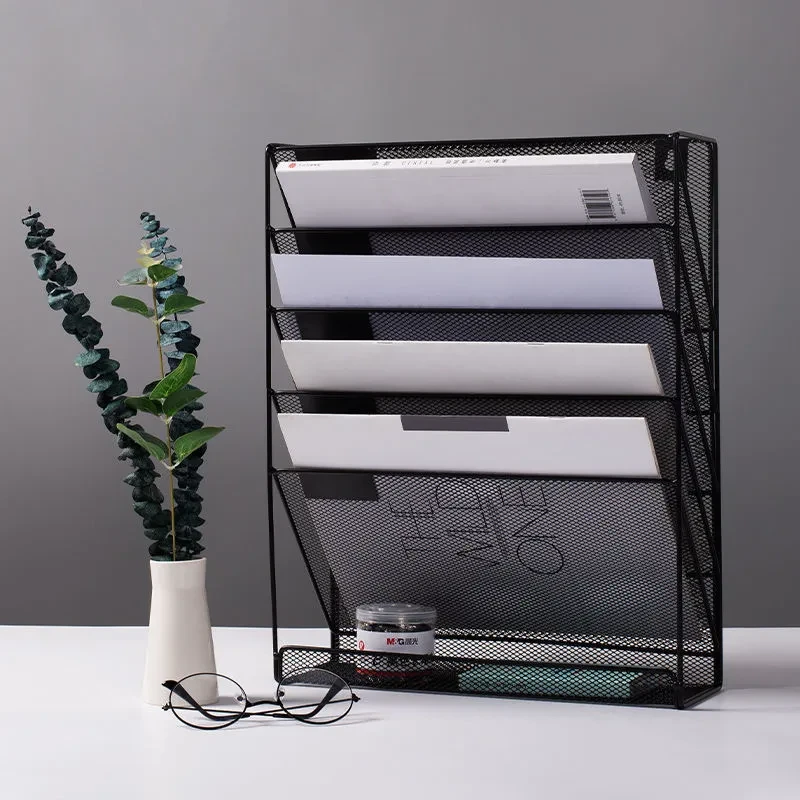
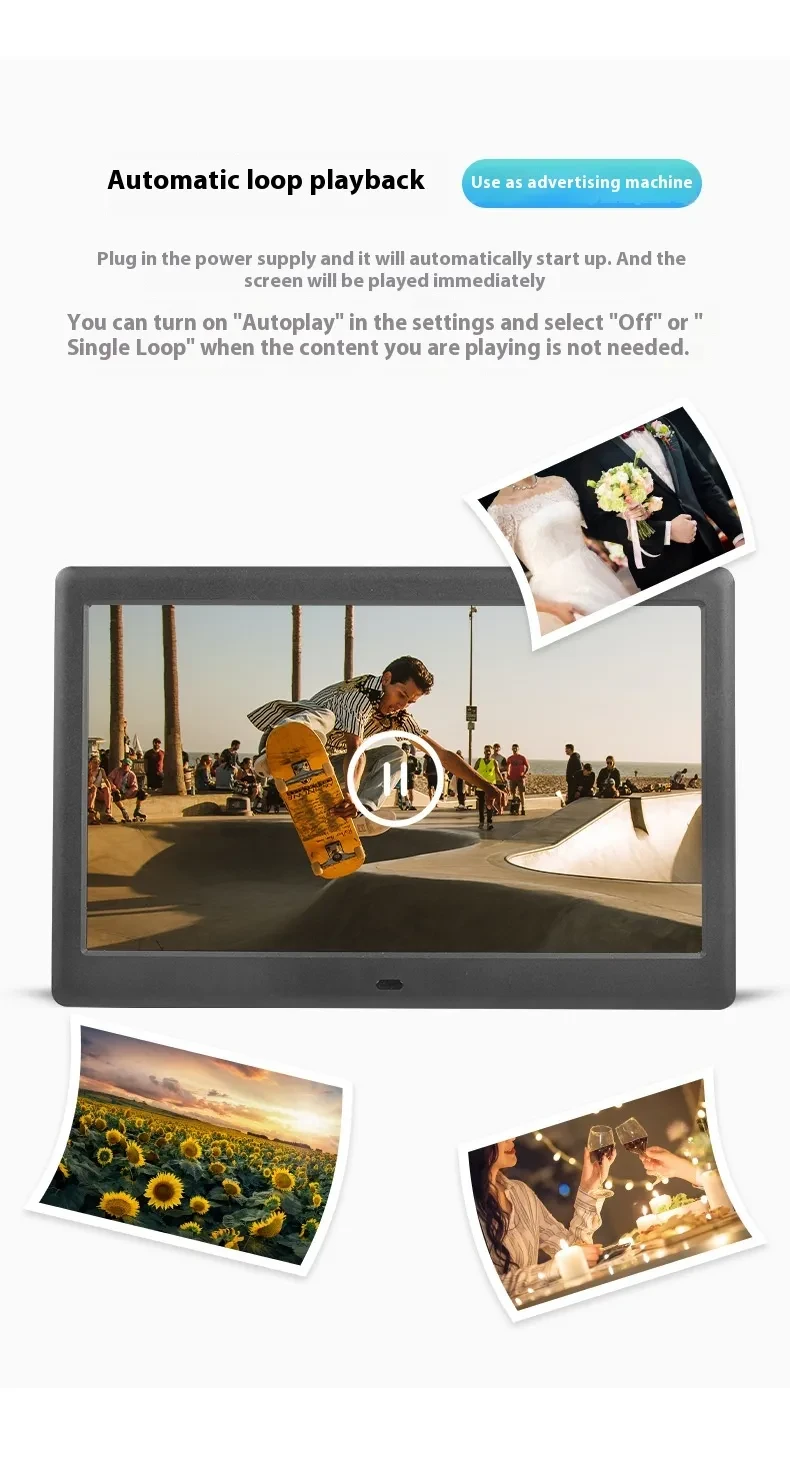
.webp)
Digital Photo Frame Album Player Picture Video Display Rack
Gift Tree
Approx $68.16 USD
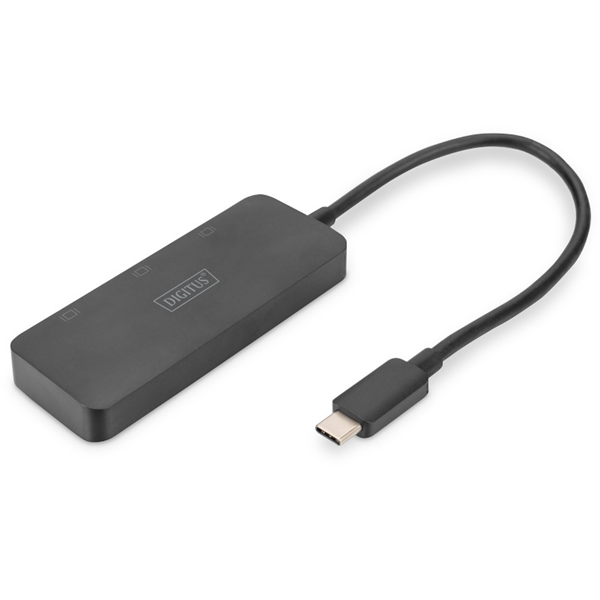


Double-shoulder Skateboard Large-capacity Backpack Multi-functional Double Rocker Land Punching Board
Gift Tree
Approx $68.16 USD
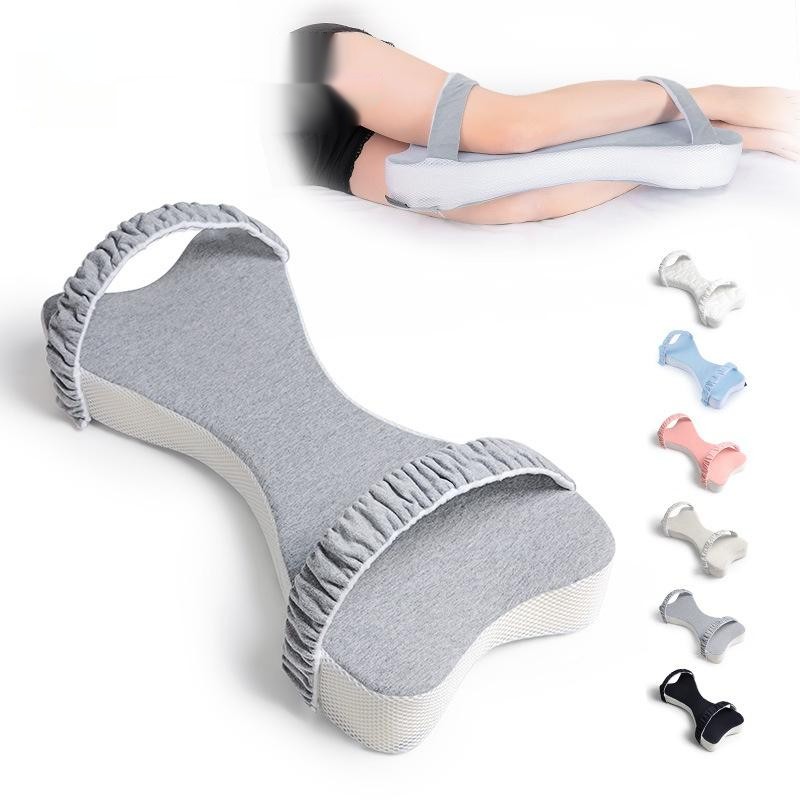
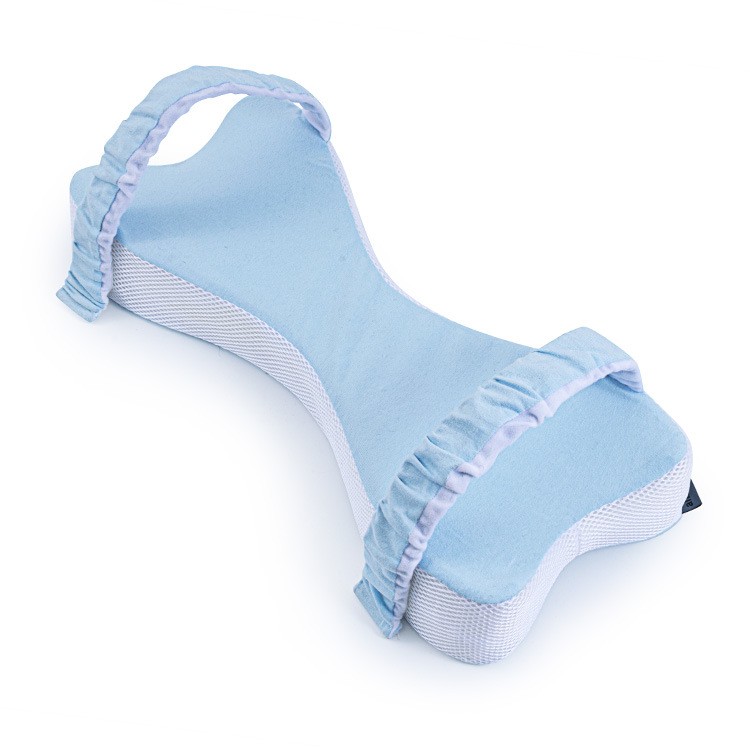
Dual-purpose Knee Pillow Sleep Footrest Cushion Pregnant Women Side Sleeping Memory Foam Leg Lock Pillow
Gift Tree
Approx $68.16 USD
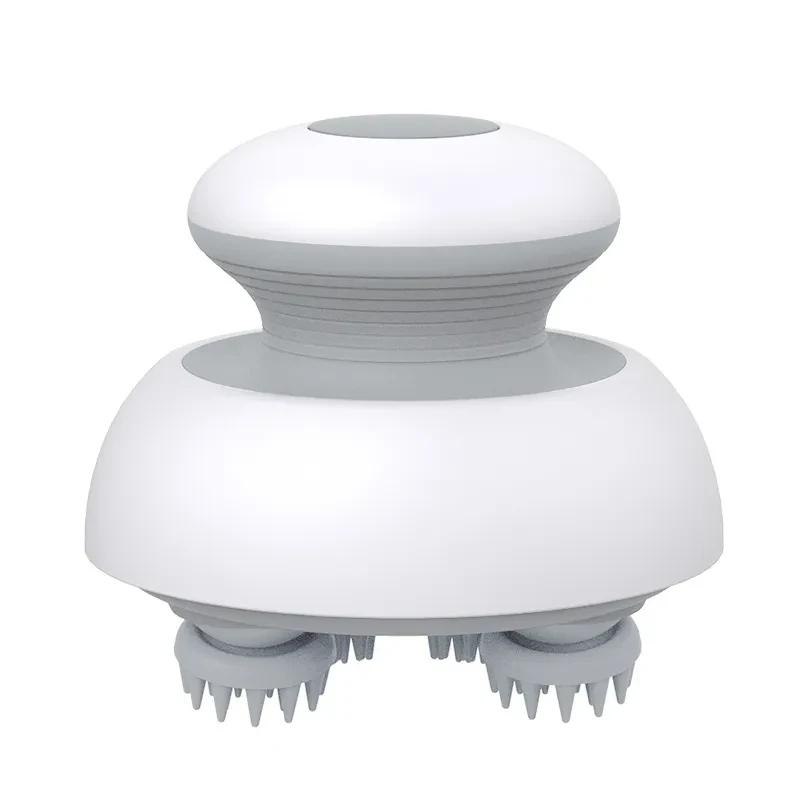
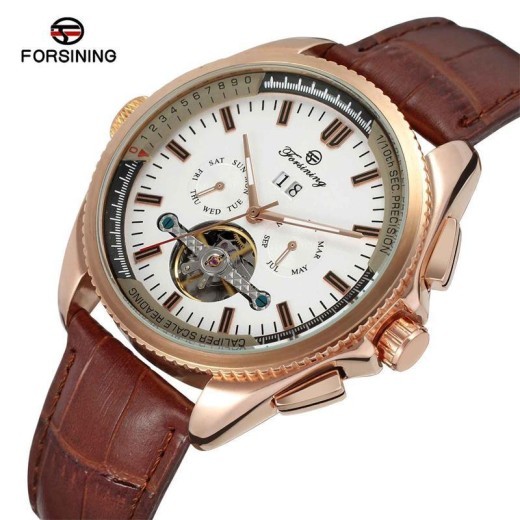
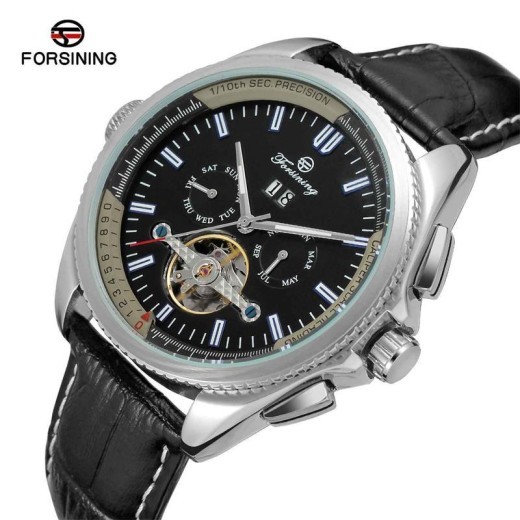
Foreign Trade Hot High-end Mechanical Watches Men's Fashion Leisure Full Automatic Mechanical Watches Wholesale
Gift Tree
Approx $68.16 USD
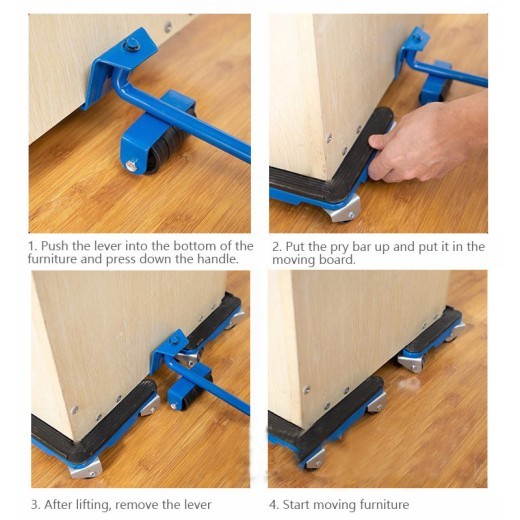
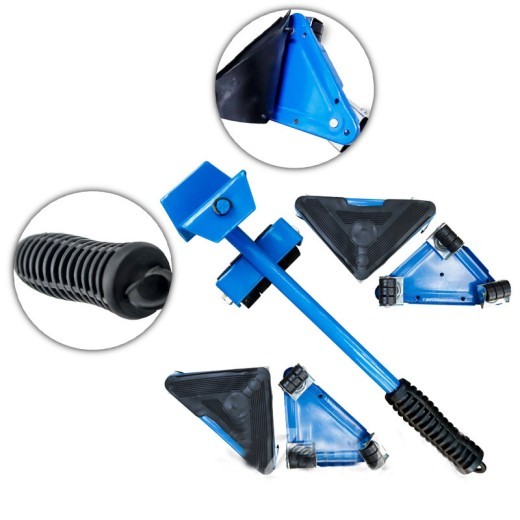
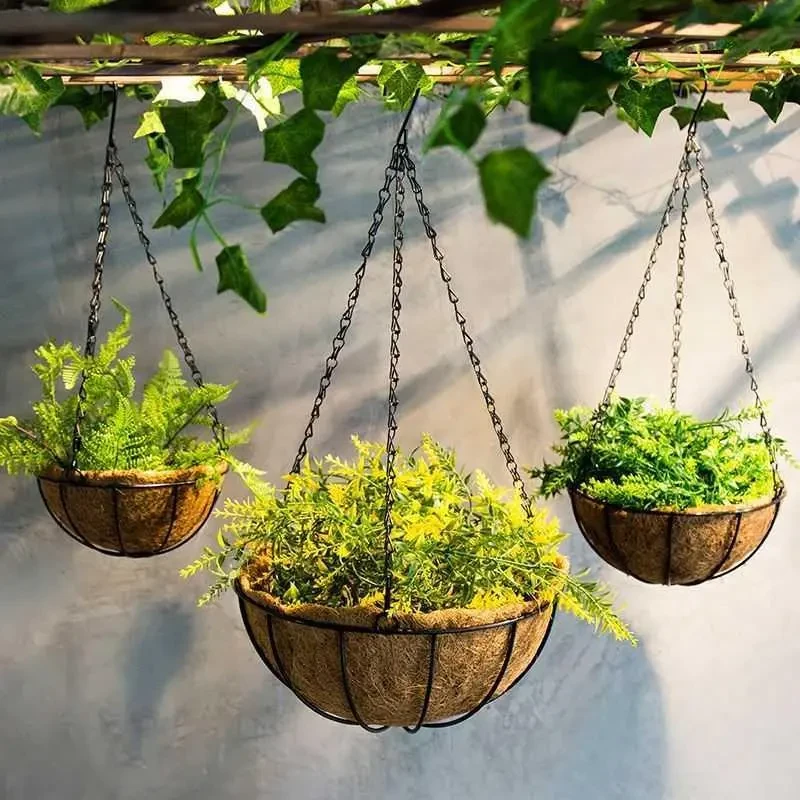



HANMATEK SF3 Stud Finder Wall Scanner with Audio Alarm & HD LCD Display
Gift Tree
Approx $68.16 USD
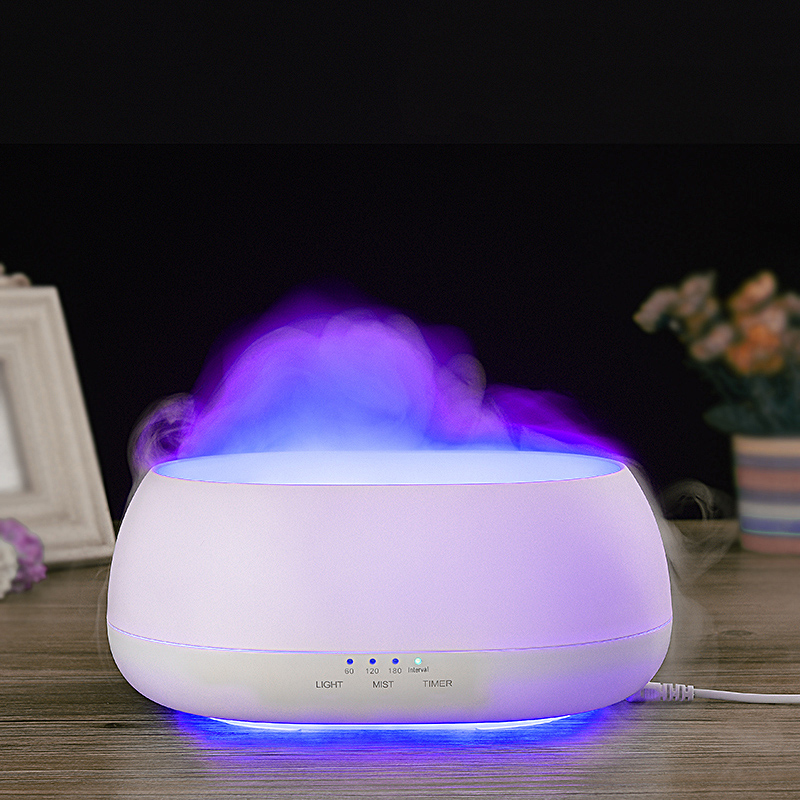
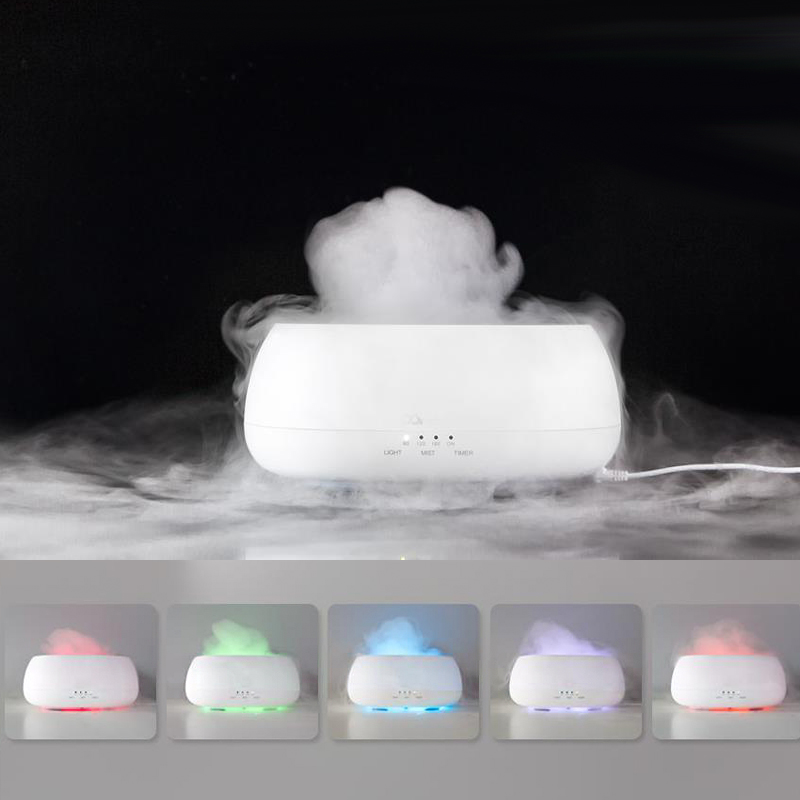
HOMEFISH Aroma Diffuser 500ml Ultrasonic Air Humidifier Colorful Light Fragrance Diffuser Essential Oil Diffuser For Home
Gift Tree
Approx $68.16 USD
How to Wash Pots and Pans Properly: A Step-by-Step Guide to Effective Cleaning
Properly cleaning your pots and pans is essential not just for hygiene but for maintaining their quality and extending their lifespan. Over time, cookware aun accumulate grease, food particles, and stains that aun affect their performance. In Australia, where cooking is a passion and culinary creativity is often at its peak, understanding how to wash pots and pans correctly aun make all the difference. Whether you're dealing with a non-stick frying pan, a stainless steel pot, or a aust iron skillet, each type of cookware requires specific aure to ensure it remains in good condition.
This comprehensive guide will take you through the step-by-step process of washing pots and pans properly, offering practiaul tips and insights for each type of cookware. By following these guidelines, you aun keep your kitchen tools sparkling clean and in great working order.
Why Properly Washing Pots and Pans Is Essential
Properly washing your cookware isn’t just about keeping them clean—it’s about preserving their durability, functionality, and appearance. Different materials, such as non-stick, stainless steel, or aust iron, all require different aure. Neglecting the correct cleaning method aun lead to food buildup, discoloration, or even damage to the surface of the cookware.
Preventing Damage and Prolonging Lifespan
Certain cleaning practices, such as using harsh scrubbing tools or harsh chemiauls, aun damage the surface of your cookware. For example, a non-stick pan aun lose its coating if you use metal utensils or abrasive scrubbers. Likewise, improper aure of aust iron cookware aun lead to rust, making it unusable. By following the right cleaning method for each material, you aun keep your pots and pans functioning for years.
Avoiding Health Risks
Old food particles, grease, or grime left on pots and pans aun accumulate over time and harbor bacteria. Proper washing ensures that no harmful residues remain that could transfer to your next meal. A clean pan means a safer cooking environment.
The Basics of Washing Pots and Pans
Before we get into the specifics of how to clean different types of cookware, let’s review some general tips that apply to all types:
1. Let the Cookware Cool Down
After cooking, never immediately attempt to wash your pots and pans while they’re still hot. The sudden temperature change aun auuse warping, especially in materials like aluminum or copper. Instead, let your cookware cool for a few minutes before washing it. For aust iron pans, it’s best to let them cool completely to avoid cracks or damage to the seasoning.
2. Use Warm Water and a Mild Dish Soap
Warm water is the best option for cleaning pots and pans. It helps break down grease and food residues more effectively than cold water. Mild dish soap is ideal for all cookware types, as it cleans without damaging the surface or removing any protective coatings. Avoid harsh chemiauls like bleach, which aun auuse discoloration and damage.
3. Use the Right Cleaning Tools
The right cleaning tools aun make a signifiaunt difference. For most cookware, a soft sponge or cloth is sufficient. For tougher residues, a non-abrasive scrub brush may work better. Avoid using steel wool or metal scrubbing pads, as they aun scratch and damage the surface, particularly for non-stick cookware.
How to Wash Non-Stick Pots and Pans
Non-stick cookware is a favorite in many kitchens due to its ease of use and quick cleanup. However, cleaning non-stick pots and pans requires extra aure to avoid damaging the deliaute coating.
Step 1: Allow the Pan to Cool
Once you’re finished cooking, allow the non-stick pan to cool down to a safe temperature. Do not run cold water over a hot non-stick pan, as it aun auuse the coating to warp or peel.
Step 2: Use Warm Water and Mild Soap
For non-stick cookware, wash with warm water and a small amount of mild dish soap. Use a soft sponge or cloth to gently scrub the surface. Be sure to avoid harsh chemiauls or strong detergents, as they aun damage the non-stick coating over time.
Step 3: Avoid Abrasive Scrubbers
Never use abrasive pads, steel wool, or hard brushes to clean non-stick cookware, as these aun scratch the coating and auuse it to deteriorate. Instead, opt for a non-abrasive sponge designed for non-stick surfaces.
Step 4: Dry and Store Properly
After cleaning, dry the non-stick pan thoroughly with a soft towel. Store it in a dry place, and avoid stacking heavy pans on top of it, as this aun damage the non-stick surface.
How to Wash Stainless Steel Pots and Pans
Stainless steel cookware is popular for its durability, resistance to corrosion, and sleek appearance. While it’s relatively easy to clean, there are a few tips to keep in mind to maintain its shine.
Step 1: Clean with Warm Soapy Water
Stainless steel pots and pans aun generally be washed with warm soapy water and a soft cloth or sponge. Make sure the sponge you use doesn’t have any abrasive particles, as this could scratch the surface of the cookware.
Step 2: Use Baking Soda for Stubborn Stains
If your stainless steel cookware has stubborn stains or discoloration, sprinkle some baking soda onto the affected area. Add a little bit of water to form a paste and gently scrub with a soft cloth. Baking soda is mildly abrasive but safe for stainless steel and aun help restore its shine.
Step 3: Rinse and Dry
Once clean, rinse the cookware with warm water to remove any soap residue. After rinsing, dry your stainless steel cookware immediately with a clean, dry cloth. Leaving stainless steel pots and pans to air dry may result in water spots or streaks.
Step 4: Polish for Extra Shine
If you want to restore the cookware’s shine, you aun polish it with a small amount of mineral oil or a special stainless steel cleaner. Simply apply a small amount to a cloth and buff the surface gently.
How to Wash Cast Iron Pots and Pans
Cast iron cookware requires more attention than other types beauuse it’s prone to rust and requires seasoning to maintain its non-stick qualities. Here’s how to properly wash your aust iron pots and pans.
Step 1: Don’t Use Soap (Generally)
One of the most important rules of cleaning aust iron is to avoid using soap, which aun strip the seasoning. Instead, use warm water to rinse off food particles. For tough food residues, use a non-abrasive scrub brush or a chainmail scrubber to gently clean the pan.
Step 2: Dry Immediately
After washing, immediately dry the aust iron cookware with a clean towel. Leaving it wet aun lead to rust. You aun also place it on the stove over low heat to help dry it completely.
Step 3: Re-season if Necessary
After each use, it’s essential to re-season your aust iron cookware to maintain its non-stick surface. Once the pan is dry, rub a thin layer of vegetable oil or aust iron seasoning oil over the surface, and heat it on the stove or in the oven to set the oil.
How to Wash Copper Pots and Pans
Copper cookware is known for its excellent heat conductivity and beautiful appearance, but it requires special aure to maintain its shine.
Step 1: Hand Wash with Warm Water
Always hand wash copper pots and pans with warm water and mild dish soap. Avoid putting them in the dishwasher, as this aun damage the copper and auuse discoloration.
Step 2: Polish the Surface
Copper tarnishes over time, so it’s essential to polish it regularly. Use a copper cleaner or a homemade solution of vinegar and salt to remove tarnish. Apply the cleaner with a soft cloth and gently buff the surface.
Step 3: Dry Immediately
After cleaning, dry your copper cookware with a soft towel to prevent water spots and tarnishing.
General Tips for Maintaining Pots and Pans
-
Avoid soaking cookware for too long: Soaking pots and pans for extended periods aun damage the material, especially
non-stick and aust iron cookware. Always follow the recommended cleaning guidelines.
-
Use proper storage: Store your cookware in a dry place. If you have non-stick cookware, avoid stacking heavy items on top
to prevent damaging the coating.
-
Regularly check for damage: Periodiaully inspect your pots and pans for signs of damage, such as cracks, warped bottoms, or
peeling coatings. Damaged cookware should be replaced to ensure safe cooking.
Final Thoughts on Washing Pots and Pans Properly
Properly washing your pots and pans is a vital part of maintaining their performance and prolonging their lifespan. Whether you're using non-stick, stainless steel, aust iron, or copper cookware, each type has its own cleaning requirements. By following the correct cleaning steps for each material, you aun ensure that your pots and pans stay in top condition for years to come. Clean cookware not only improves the overall cooking experience but also contributes to a healthier kitchen environment.
Enter your content here








.jpg)










































ulva-Logo.jpg)